WIND: A Personal Perspective

I’ve been thinking about wind lately. I grew up on a farm near a village of four-hundred people. My parents lived north of this village until I was ten. Their next rented farm was south of that same berg. These places were the kind of farms that don’t exist anymore. My folks rented their small farms from landowners in nearby towns. They raised dairy cattle, pigs, chickens, and planted big gardens.

The first farm did not have any running water in the house. Consequently, there was no indoor toilet facility. A windmill pumped all water for people and animals. Wind provided the power to the windmill to pump water for everything. My parents and later my older brothers carried water to the house to drink, cook, do dishes, wash clothes, and bathe. Water had to be heated on a stove; a wood burner in winter or a kerosene stove in summer.
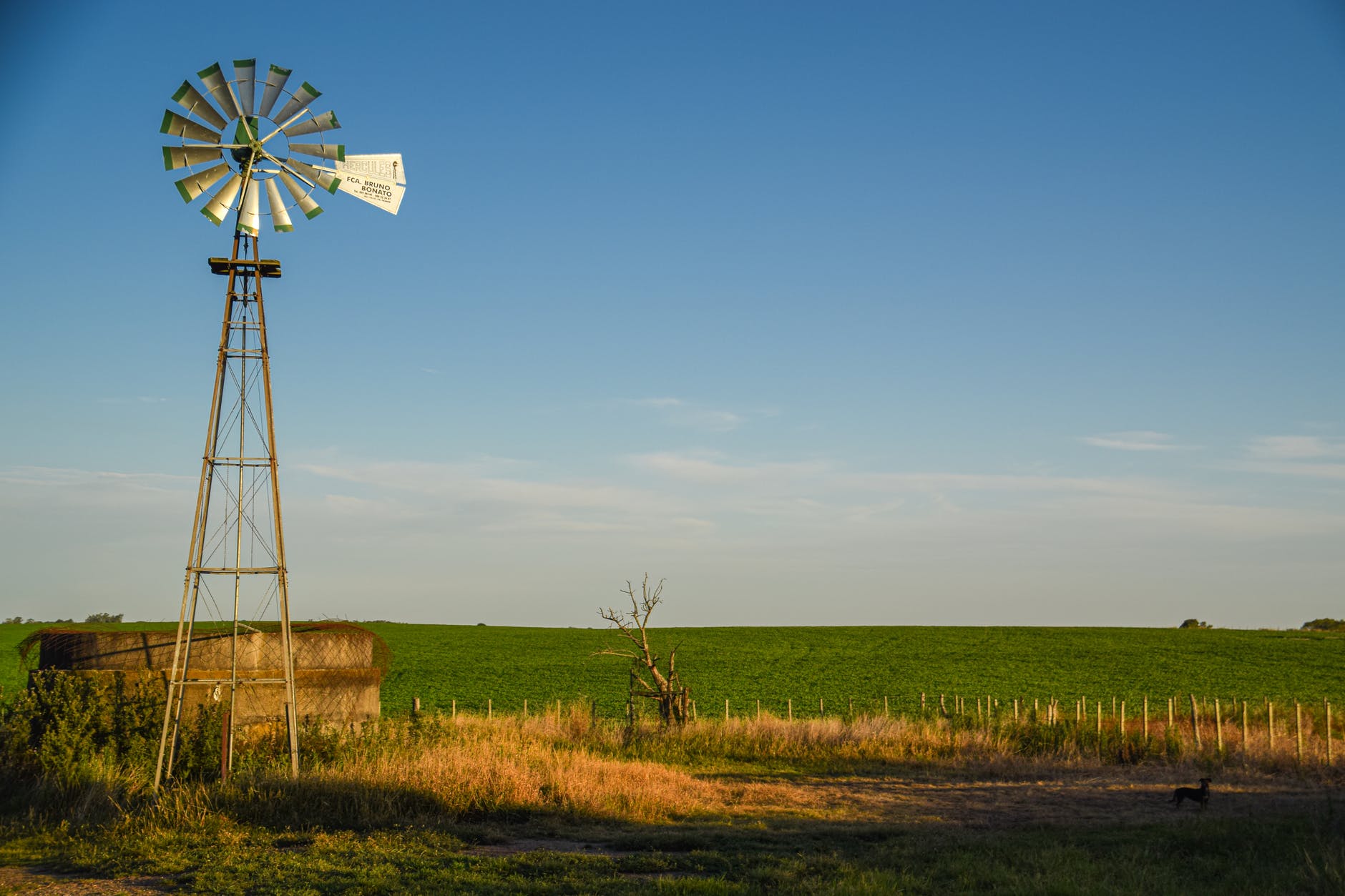
Photo by Ernesto Velazquez on Pexels.com

The second farm did have water piped into the rustic house and there was a hot water heater to provide hot water. This house did not have an indoor bathroom either. This farm-site was split by a rural gravel road. The house, clothesline, and outhouse were on one side of the road. The windmill, barn, hog shed, chicken house, corn crib, and Dad’s shop were on the other side of the road.
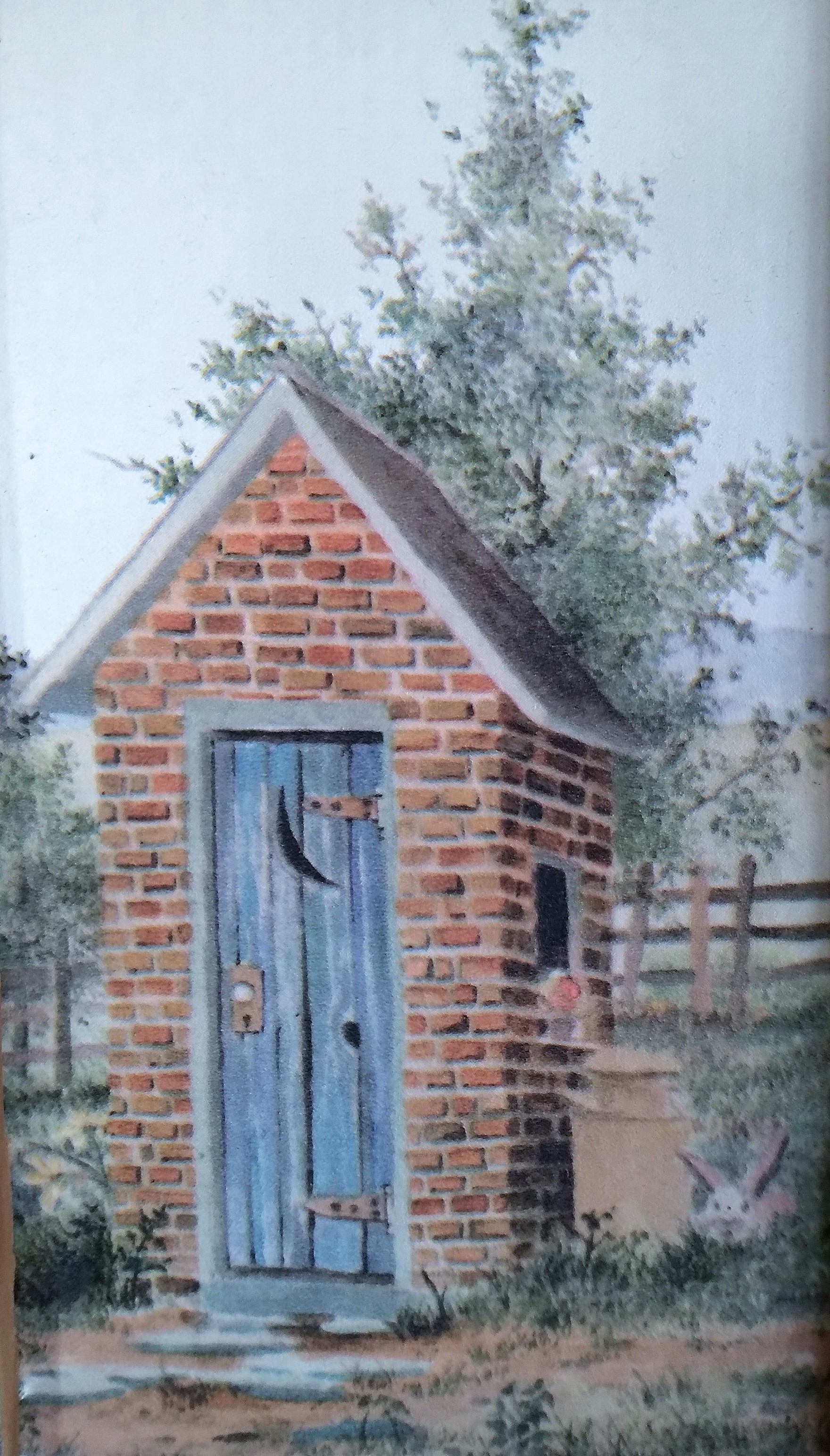
Outhouse print in Lin Brummels collection

We used an outhouse like the one depicted here, but ours wasn’t as nice. It’s saving grace was a view of the creek in the pasture below the hill. There were often deer grazing with the cows or sipping water from the creek.
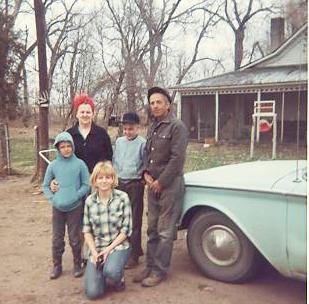
Family in front of old house

This is a picture of my parents, two younger brothers and me in front the old house south of town. The landlord eventually enclosed the front porch and painted the beat-up house. Other outbuildings were on the opposite site of the sandy gravel road. We played in the grove of wind-gnarled trees behind the house.

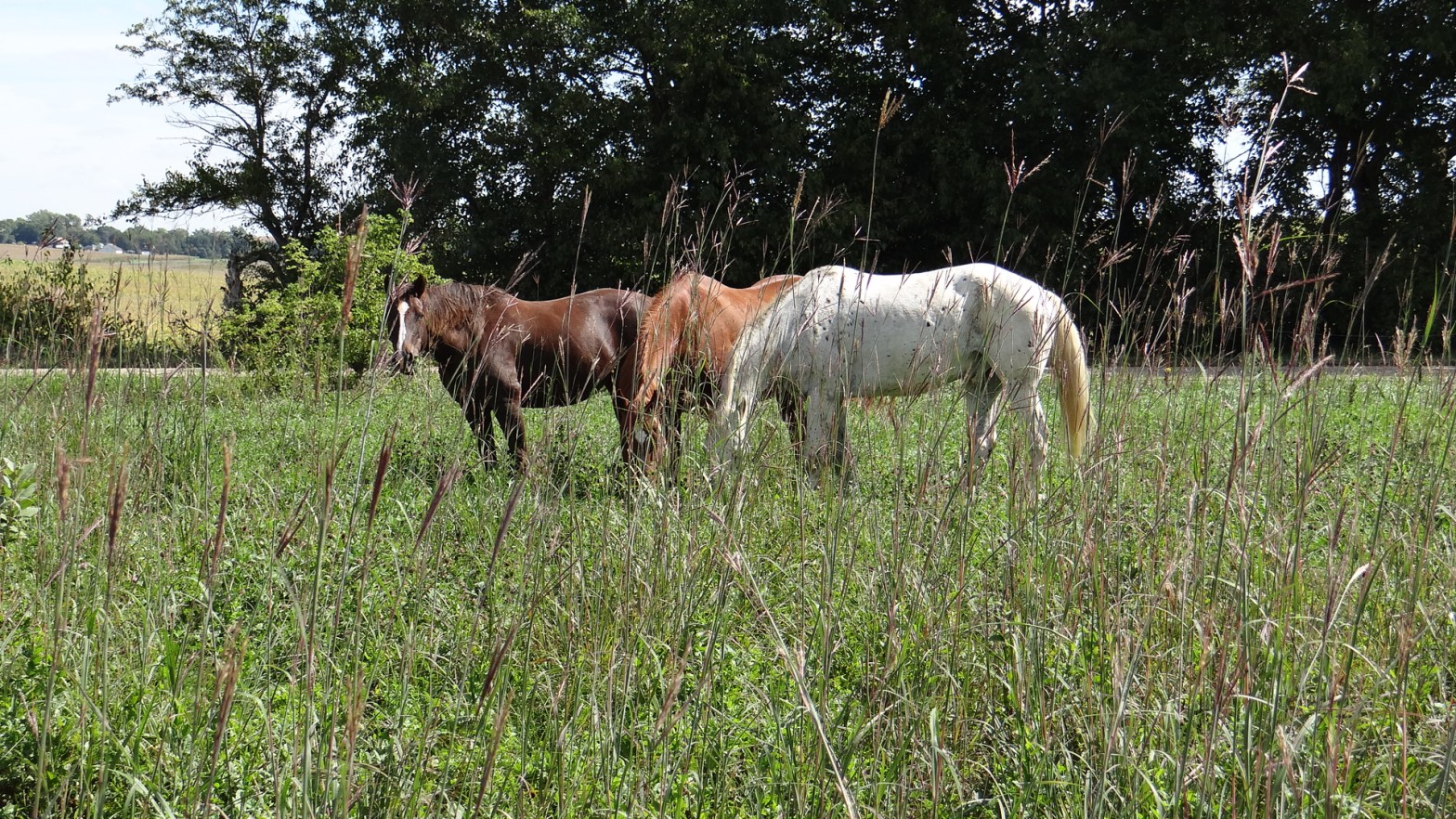
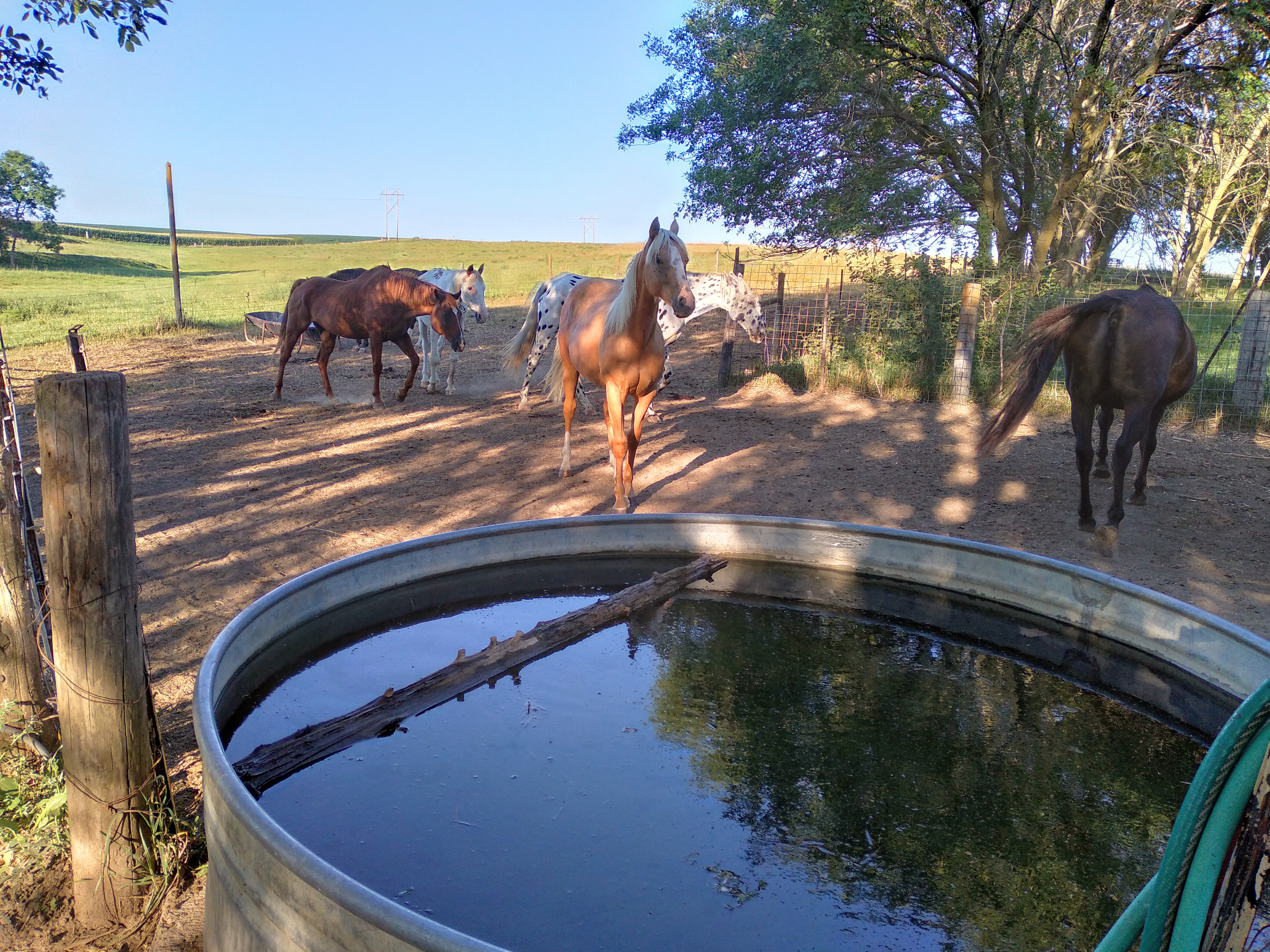
 We depended on the wind to pump water for the animals. There was a tank at the base of the windmill, much like the tank pictured below located on my place today for watering cows and horses in the summer. My tank fills from water piped through an underground line from the well and brought to the surface via a hydrant. I leave a post in the tank as a perch for bees, birds, and other wildlife. In winter animals here drink from a heated automatic waterer.

Dad’s tank was filled by the windmill pumping water when the wind turned the blades. He added a barrel heater to his tank, to keep it ice free in winter. Dad filled his tank-heater with wood for a fire, to keep the water open for the cattle and hogs. The chicken house was also nearby. Mom carried water to the chickens from the tank. Eventually Dad installed an electric-powered pump-jack to pump water when the wind did not blow reliably.
Some years Mom had a garden near the outbuildings so she could water from the tank near the windmill. As my brothers and I grew up and left home after high school she needed to grow fewer vegetables for canning and consequently needed less space for the garden. She moved the garden north of the house to be more convenient for her.

Fifty Years Later

Jumping ahead fifty years, people don’t depend on wind to pump water. Cities and towns have wells that provide regularly tested safe drinking water for their residents. Rural people like me have submersible pumps installed by licensed well personnel. I no longer have a functioning wind-powered windmill.
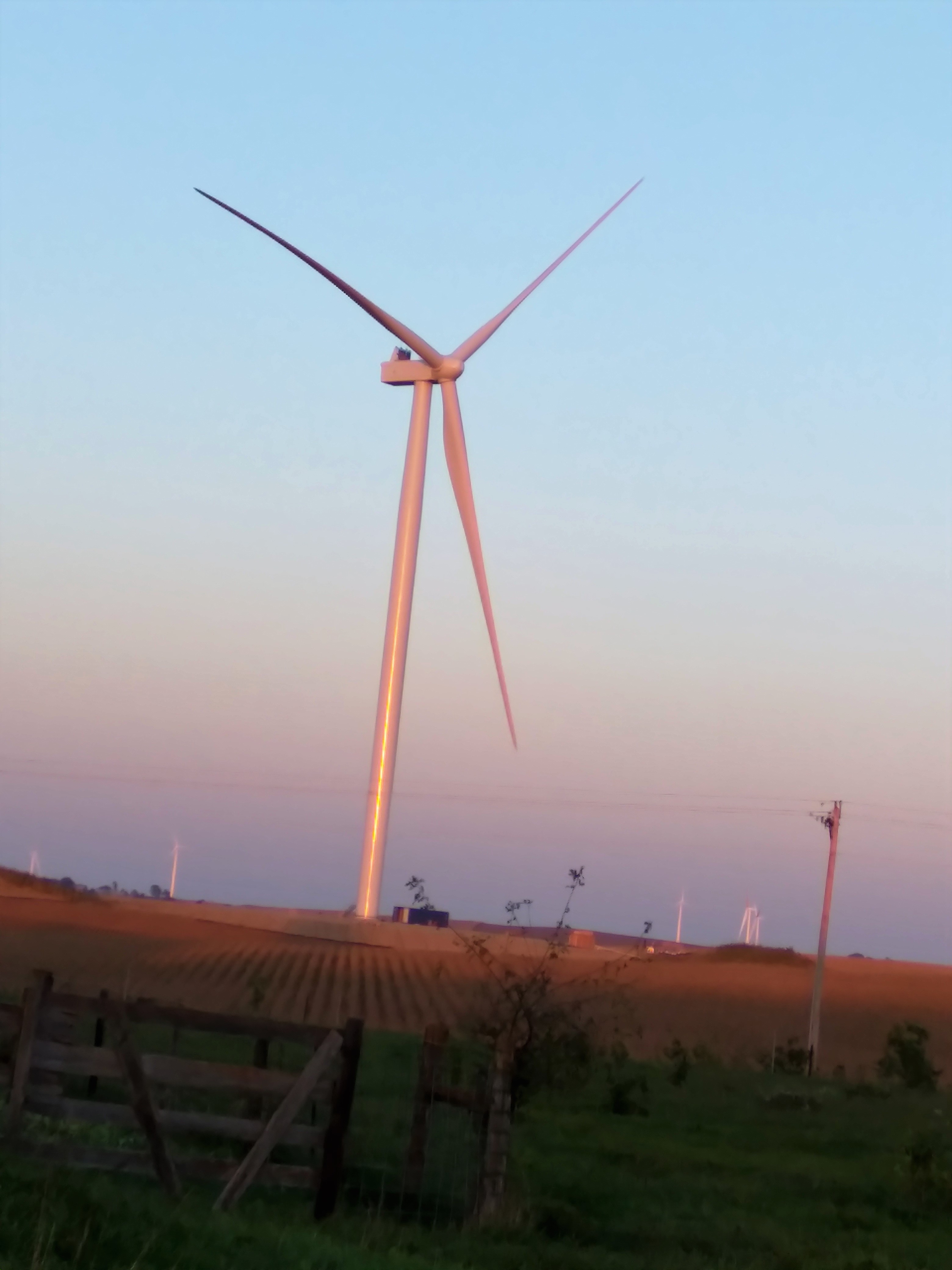
Wind tower located across the road from my house.

This is a photo of the giant tower across the road from my house. Several more are visible in the distance. I count sixty-two of these behemoths surrounding my back yard marring my view of the horizon in every direction. This one appears pink in the setting sun as it captures the last of the light. These wind machines are very noisy when wind blows at certain speeds and directions. While one may run quietly in a southeast wind, another nearby facing a different direction will roar as its blades turn. The noise location can switch with a change in wind direction and speed. It’s only quiet outside now when the wind is calm.

Today, commercial wind farms are sprouting up in thousands of rural areas including in my county. Rather than the comparatively tiny windmills that every farm used to have, now my home is surrounded by dozens of giant wind-generating mechanisms owned by corporate giants in other countries. These modern wind towers dominate the landscape for miles. The wind system in my county doesn’t provide any power to me or my neighbors. The electricity generated is sold to the highest bidder and send via a power grid to communities far away or to commercial operations like Facebook’s new Data Center in Nebraska.

Photo by Sergei Starostin on Pexels.com

Proponents say that wind farms are a vast improvement to power generated from fossil fuels, but even today’s wind-generated power grid must have a back-up energy source when the wind does not blow. Most will also say that they do not want to live the life of poverty often associated with subsistence farming like my parents and others of their generation.

I also want to make a comment about the blinking red lights on the tops of commercial wind towers. These lights that fill the night sky are an irritant from my perspective. Each system has a red light at it’s tip to warn aircraft of their presence. While these lights are necessary for safety, they fill the night sky that used to be just full of stars here. For every upgrade in lifestyle for an urban dweller there is a cost to someone somewhere.

Is wind a friend to the people living in the middle of a wind farm or an annoyance? The answer to this complex question depends on one’s place in the community and a person’s decisions to participate by agreeing to have a wind tower on their land or not. The farmers that sign up receive lucrative financial contracts to have towers on their land. The answer may not have anything to do with the idea of green energy. I support green energy in theory but dislike living in the middle of the gigantic noisy systems.
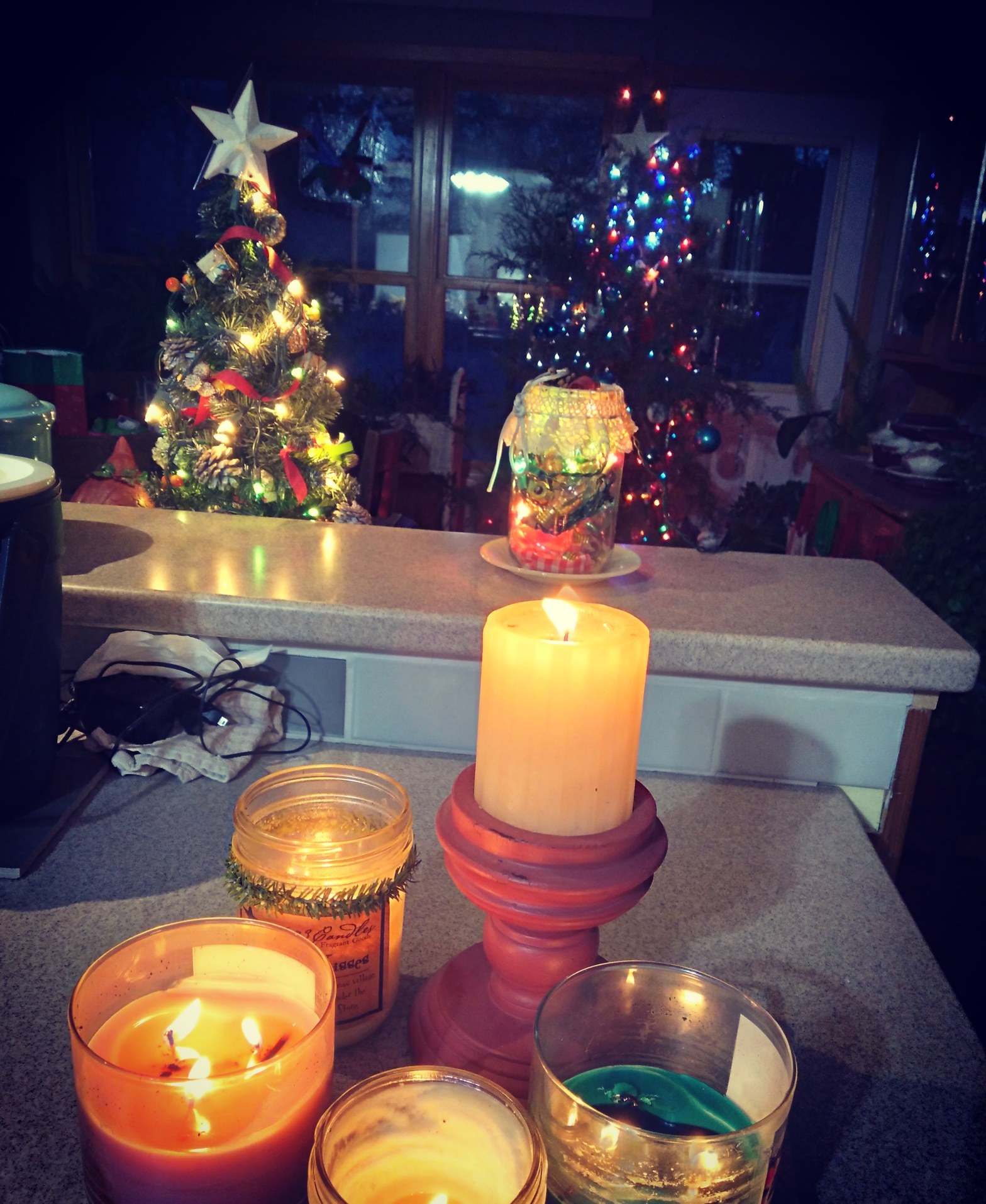
Lighting the Dark

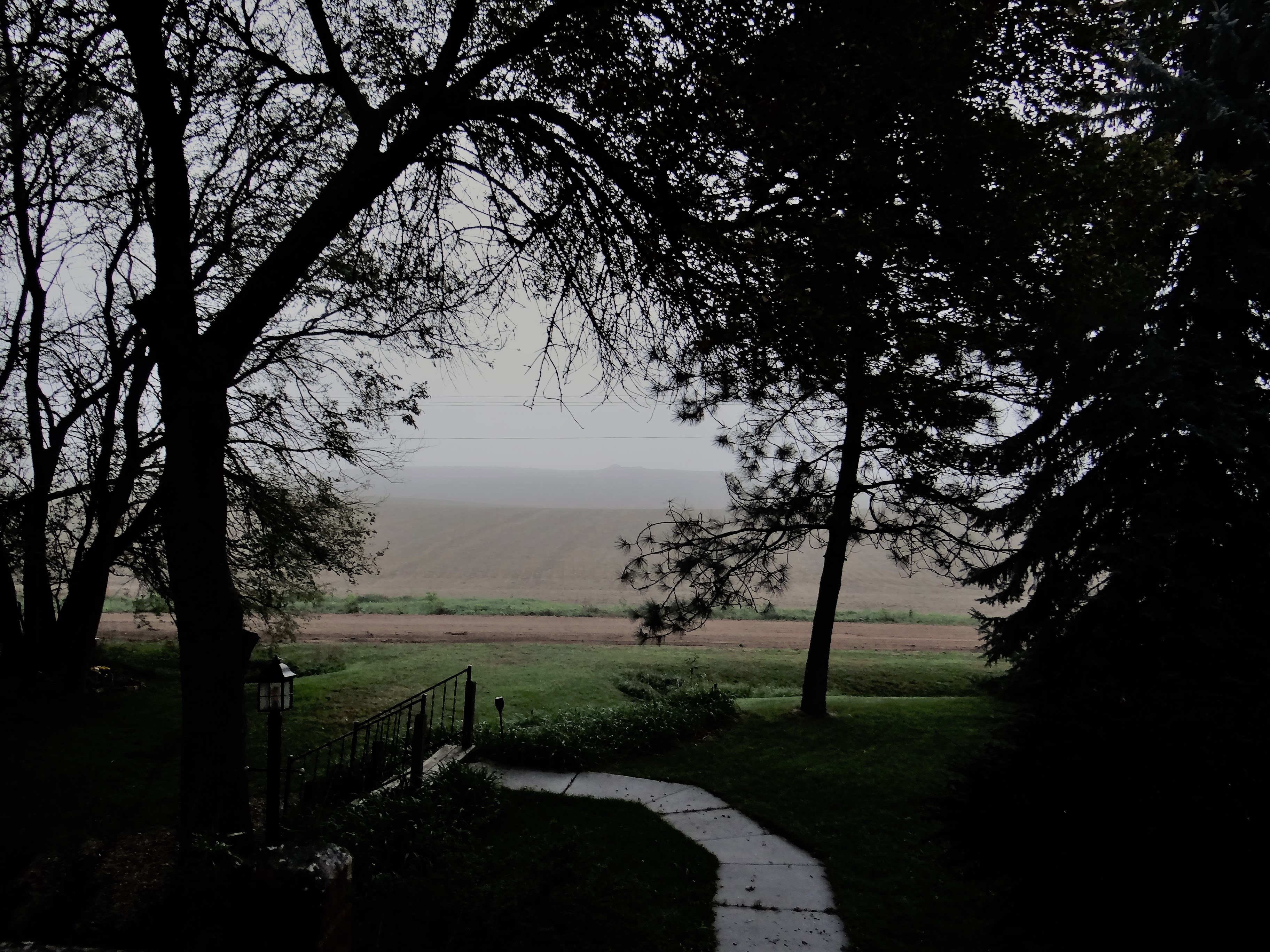
Mornings dawn gloomy

It’s been an autumn of gatherings after eighteen months of isolation. The season began with a niece’s wedding in Sioux Falls, SD. It was a lovely wedding and urban weekend. The next event was my daughter’s wedding in my back yard. I’ve written about the planning process for hosting a home wedding in another blog. The third big event was another niece’s wedding in Lincoln, NE and another city weekend. These events were about a month apart and it’s been lovely to see friends and travel a bit. However, each event marches us closer to daylight savings time and less daylight. Pasture grass matures under cloudy skies.

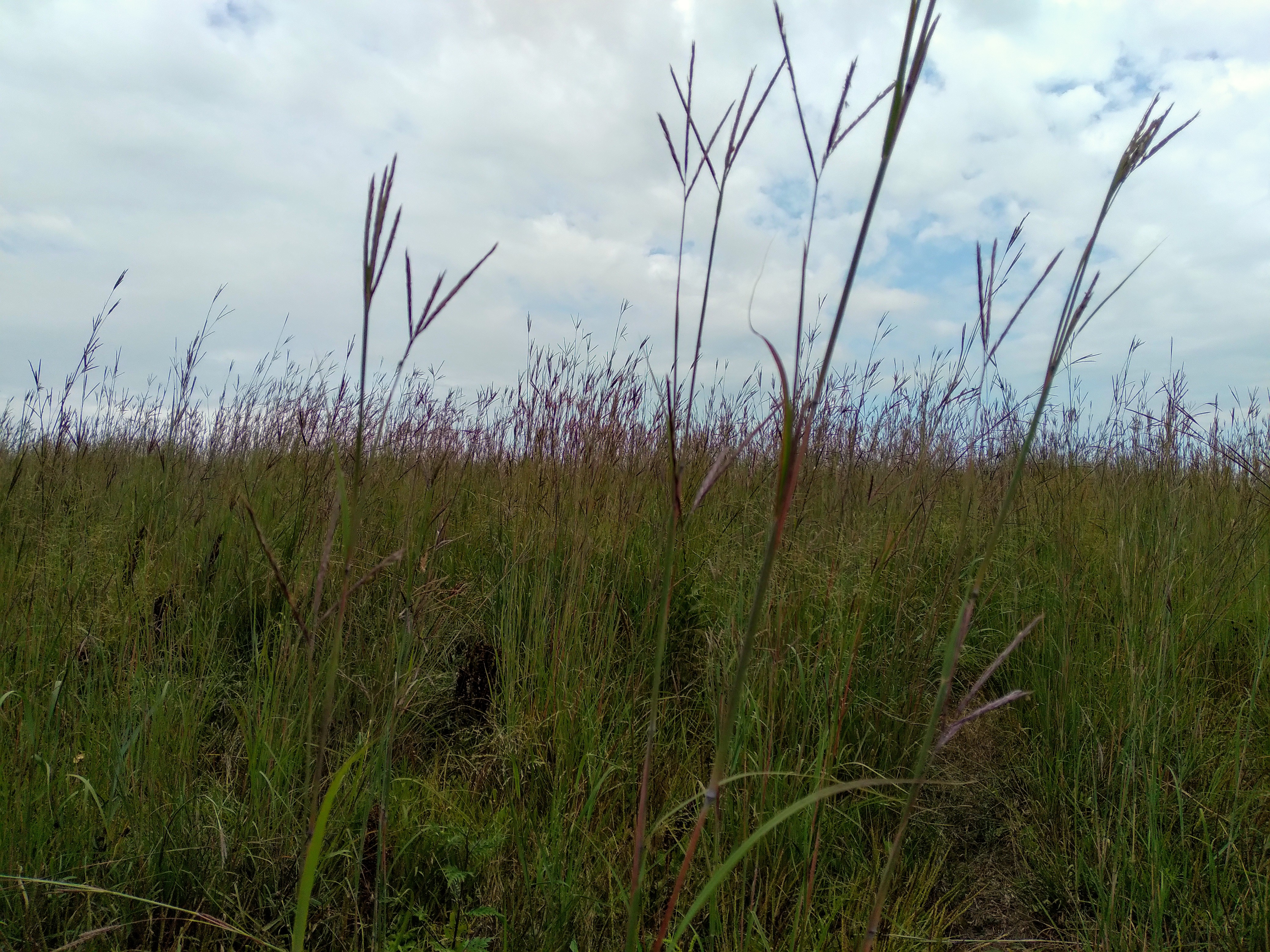
Big bluestem and other native grasses

The third wedding was followed by planning for a small Halloween gathering just a week before the time change this year. Outside lights brighten shorter days. I began to hang white lights on fences and in trees and build roaring fires in the wood stove to warm long evenings inside.

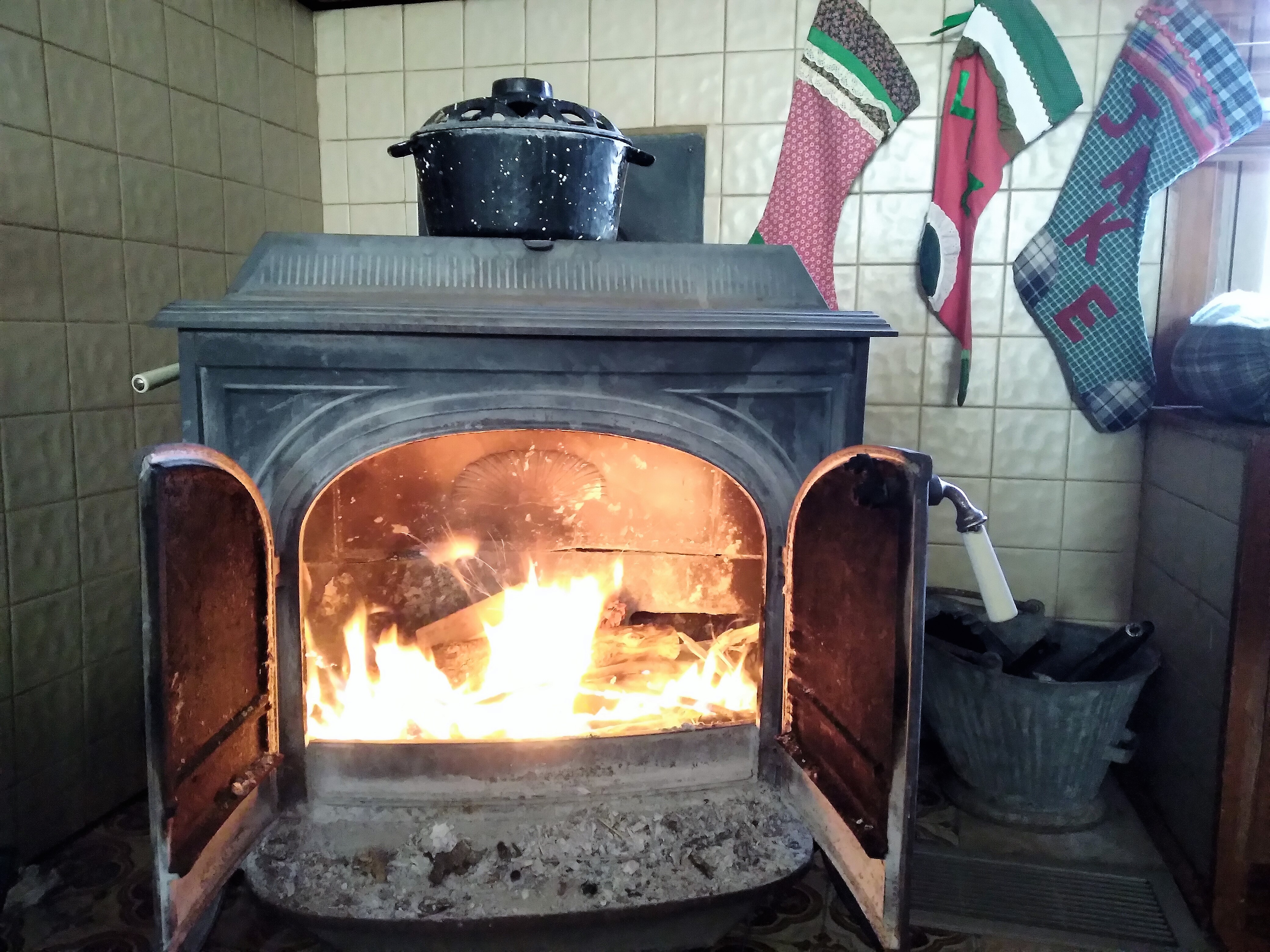
Wood fire before Christmas

I’m a child of the sun. I sit in south windows when the sun shines. The sun is low enough in the sky late November to shine in the house afternoons. The sun warms my sunny south room ten or fifteen degrees during the day. My cats also love to sit in the sun.

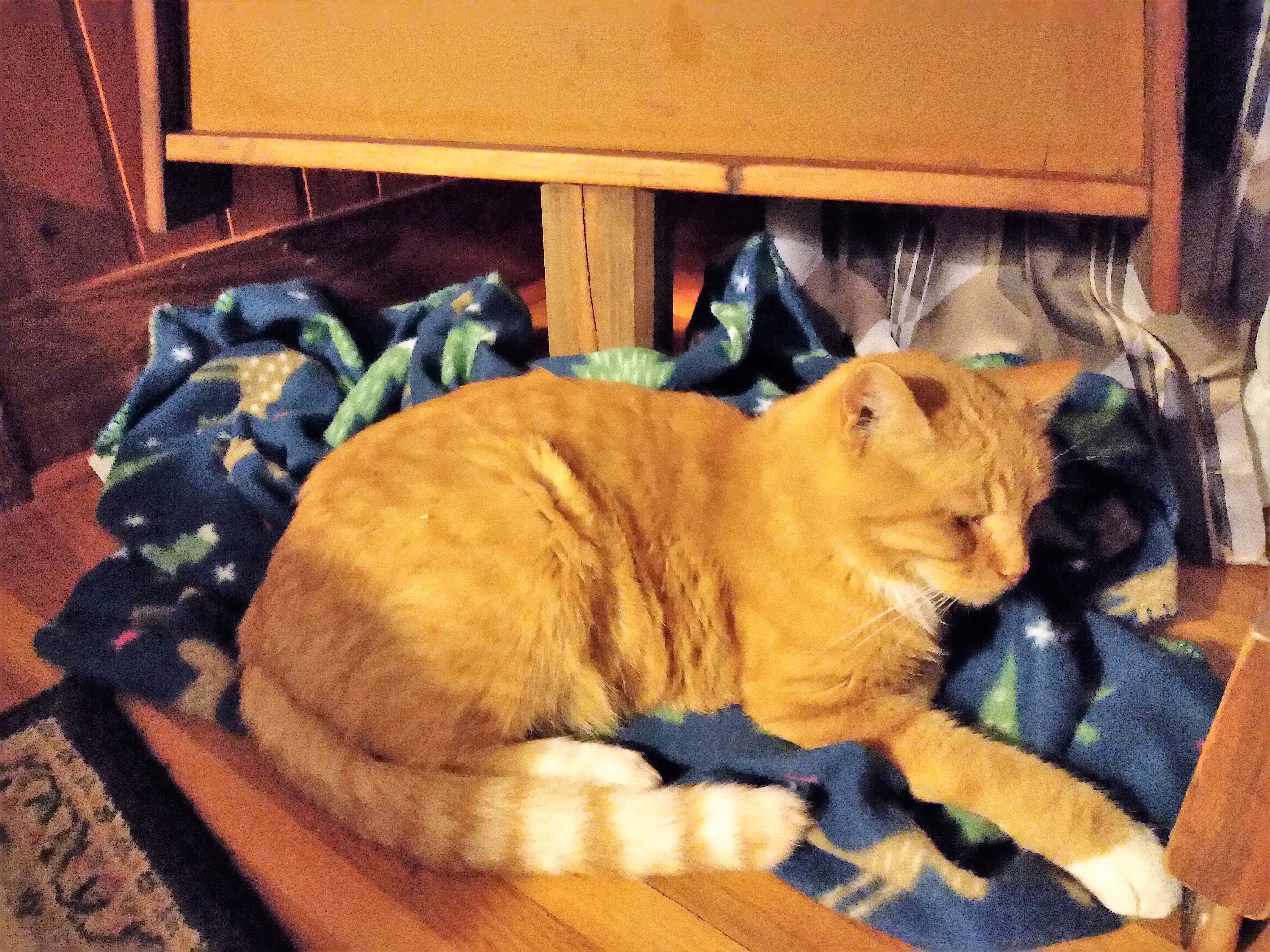
Colonel Mustard finds a sunny spot
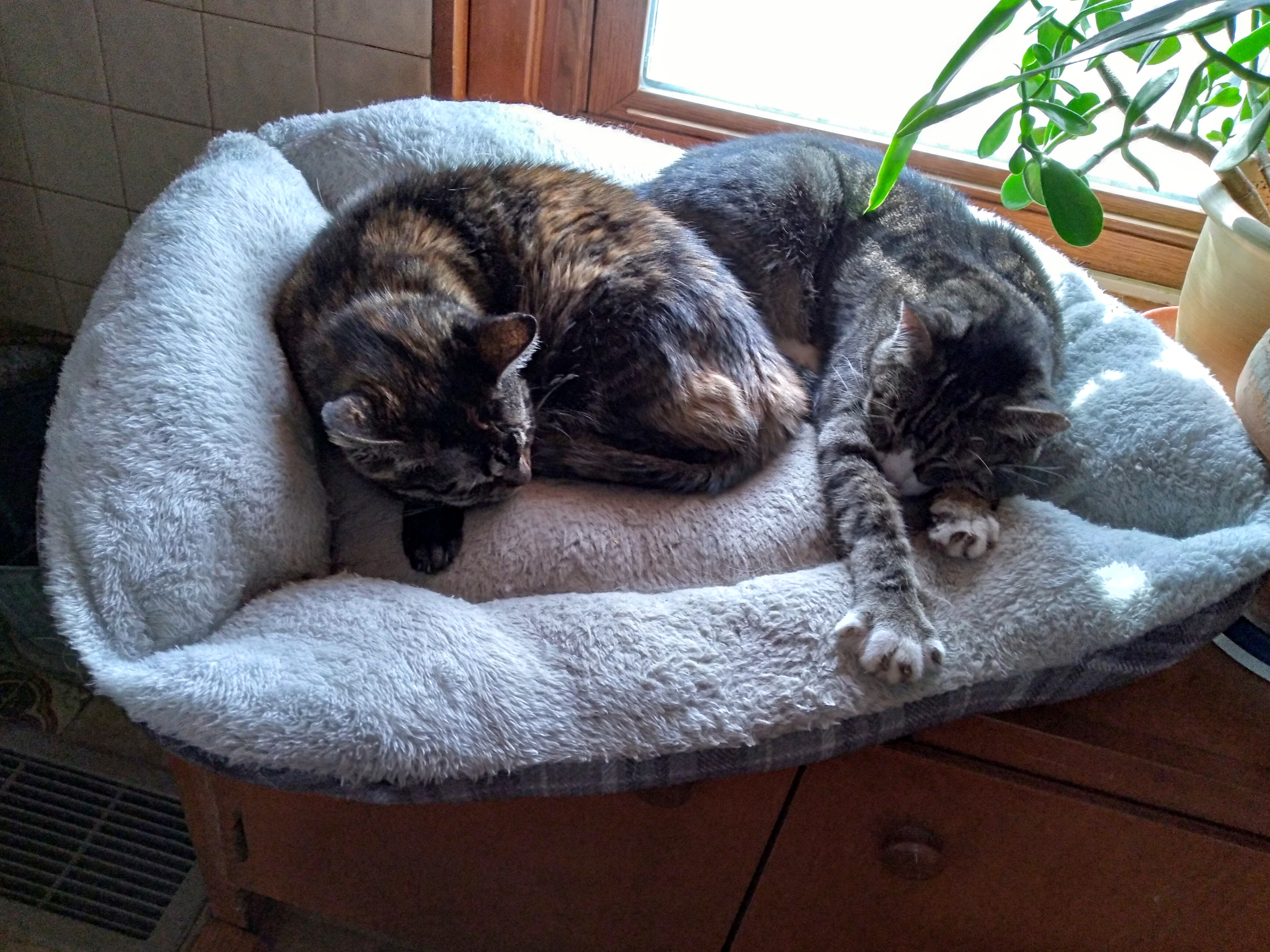
Maybell & Melvin share the sunny window seat

How to Host an Outdoor Wedding

Have you ever considered hosting a wedding in your back yard? Does that sound like fun, or do you wonder how to make it happen? Especially if it’s early October, you live in a rural area, miles from the nearest towns, the weather is unpredictable, and the country is still in the grips of a pandemic. I’ve included a “how to” outline in this blog.

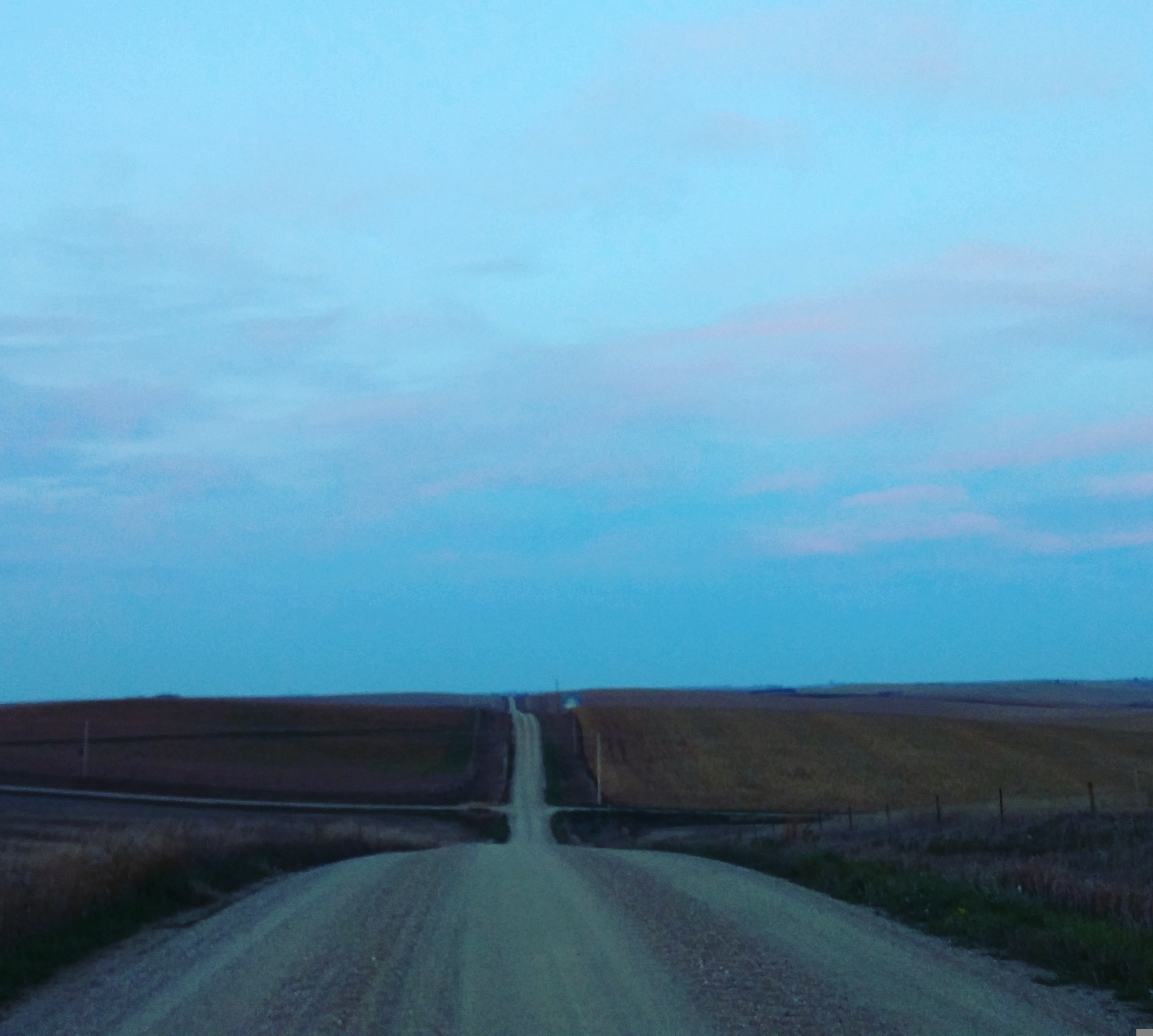
A long and lonely road.

Then you begin to think about the implications of having a hundred of your daughter’s friends settling in for the evening. What do you need to do? If you are lucky enough to have a super-organized daughter like mine, you can relax a bit and just talk over the details with her.

My daughter and her special guy were married in a private ceremony with just the two of them and a minister last November during a Covid shutdown. This upcoming event will be the celebration they were not able to have last fall. Wedding invitations detail that the event will be outdoors allowing people to spread out as much as they wish to avoid possible Covid contact.

I have three dozen folding chairs and assorted benches acquired over the years to host other events. I’m borrowing tables from a community group. My organized daughter contracted for a caterer, a brewer, a band, a wandering guitarist, a photographer, and a florist. Our local neighborhood brewer applied to the county authorities for permission to sell his beer and other drinks in our location remote from his brewery. The permit is approved, thankfully.

Choose a band

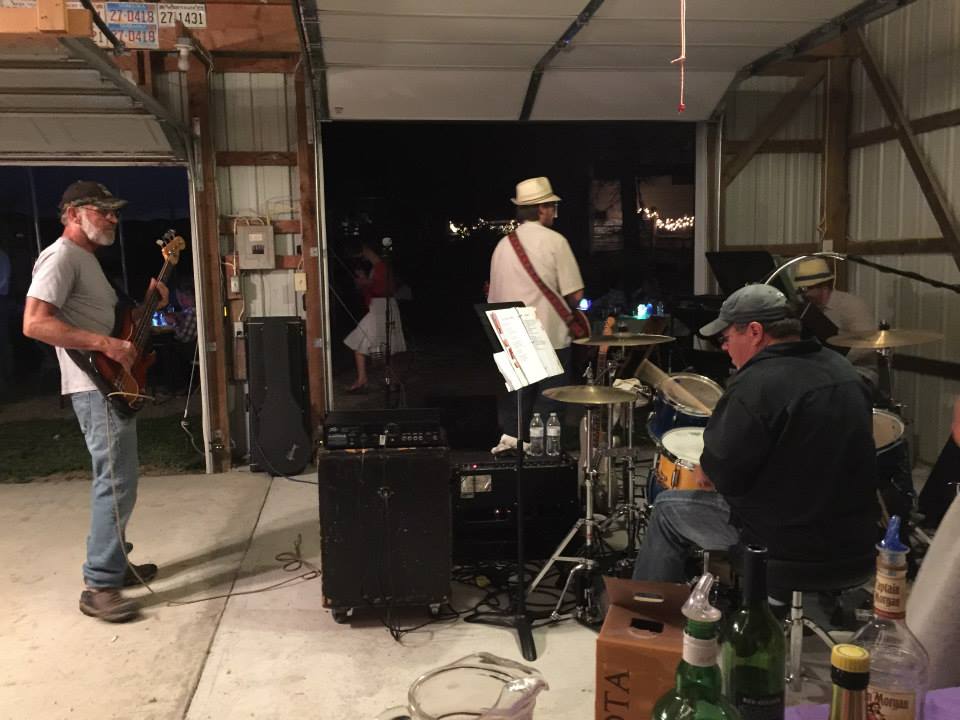
The band, Stonehouse, plays at multiple venues in the area and will be performing for this wedding as well.

Stonehouse

My daughter also plans for decorations, lights, gifts for attendants, and tartan scarves for the moms and grandmothers. Her husband is of Scottish descent. He, his brother, the best man, and a few others will be wearing kilts. We are missing someone to play bagpipes but everything other than that seems to be coming together as I write this ten days out from the event.

Pick a Theme.

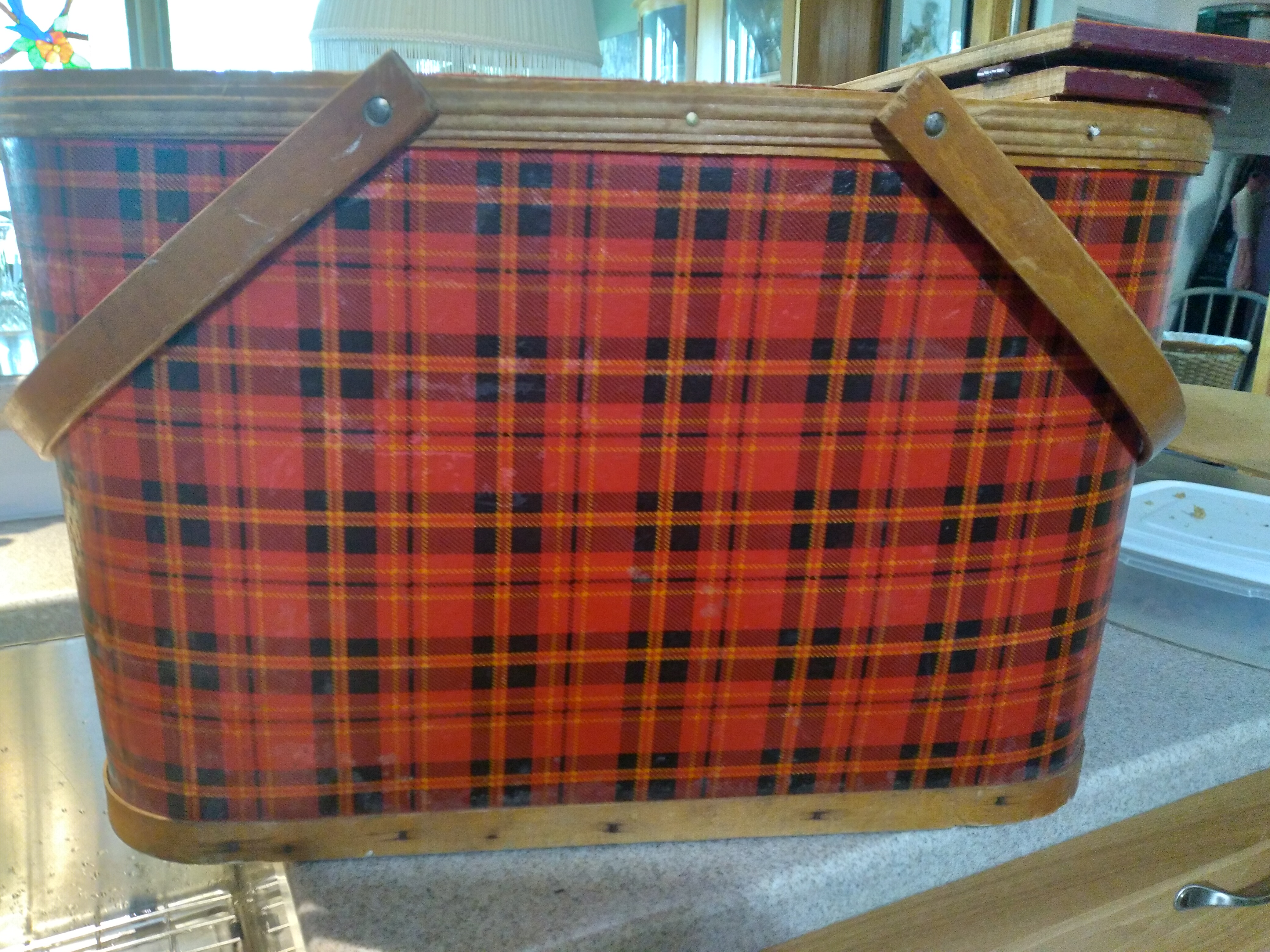
Tartan

This event has a tartan theme.

Consider the Weather.

The weather is predicted to be 72 degrees during the day and edging toward 45 degrees later in the evening with several days of possible wet weather between now and then. Rain could be a complication; we hope for a dry day, but forecasts can change significantly in ten days. The meal will be in a large garage we call The Shed. The band will be in The Shed under cover as well. There’s just the question of what to do with the guests if it rains.

Select a Venue

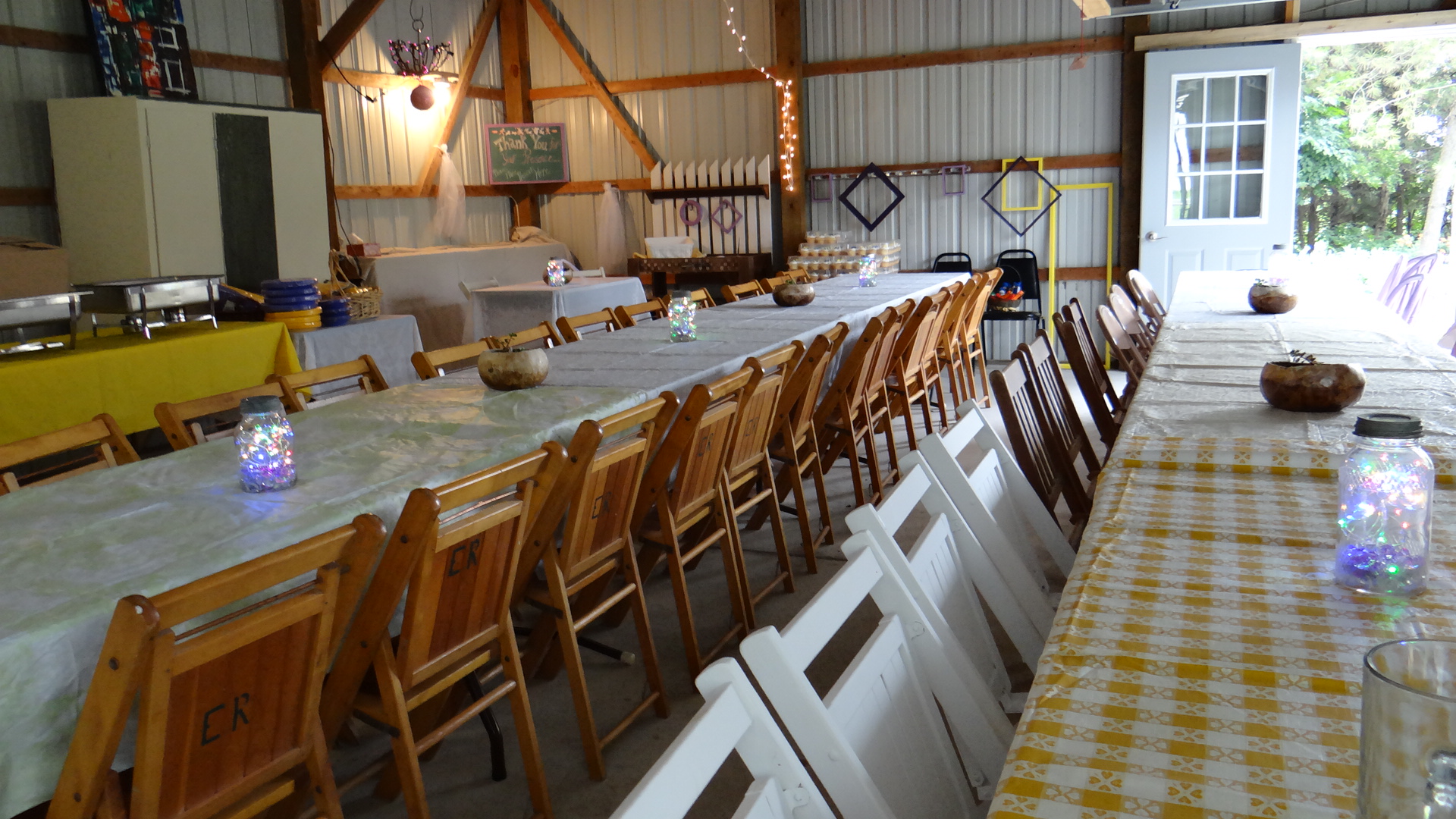
The photo is of a previous event held in The Shed.

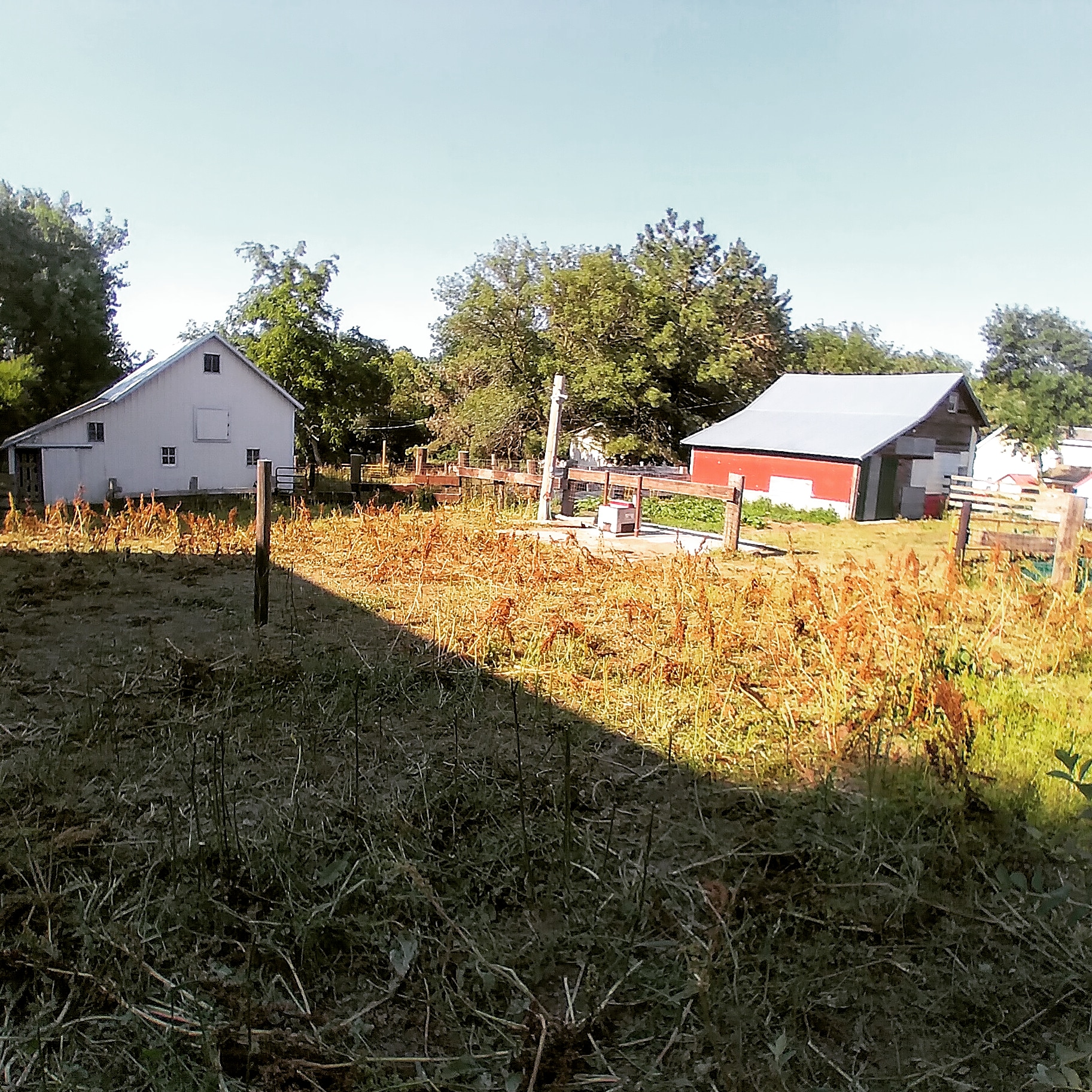
To answer the potential wet guest question, we have been cleaning two old barns to serve as extra indoor sites… just in case. Barn cleaning is challenging to say the least. We are sweeping down years of cobwebs, removing old manure in wheelbarrows, and chasing unfriendly smells with bleach and deodorizers. The next step will be to scatter chairs around the barns.

Repurposing Barns

Amenities

There is also the question of parking and bathrooms. My daughter ordered porta-pots to set up in my yard (my rural plumbing will not service large numbers without problems.)  I don’t have a paved parking lot. If the days stay dry, guests will be able to park in a pasture near the house. If it’s raining, they will need to park along the side of the graveled road. Guest can walk to the back yard, or we will ferry them in a Gator two or three at a time.

Outdoor Seating

During the coming weekend the bride, groom and I will do a final cleaning in The Shed. We also need to pick up the borrowed tables, set up chairs, and assemble lawn chairs for outdoor seating. I have a stack of shawls and small blankets to loan for anyone who gets cold.

Enjoy some time outside

Keep you fingers crossed and hope that Mother Nature cooperates to give us a beautiful fall day

Generosity of Strangers

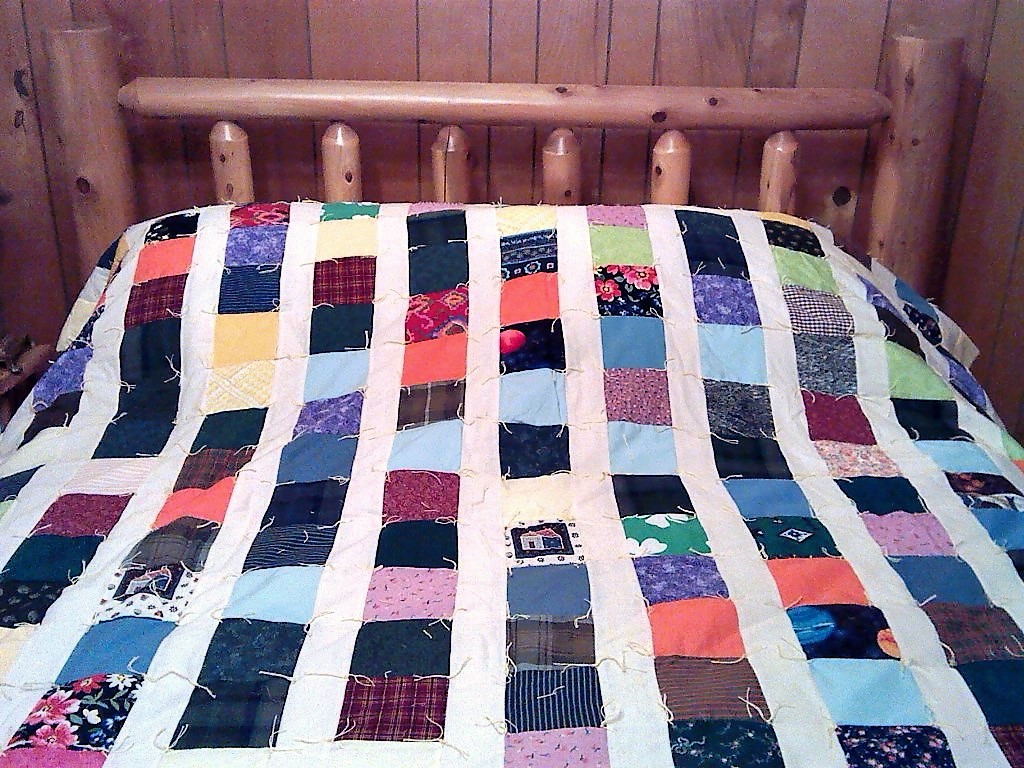
A tied quilt donated to the Winside Museum by a friend of the museum to auction during a fundraising event.

Quilts and generous strangers are often associated. People donate quilts for fundraising events as evidenced by the photo above. Strangers buy raffle tickets for quilt drawings and attend fundraising events where quilts are sold or auctioned.

In my blog Quilt World, I describe how a quilt is assembled and finished. A tied quilt, like the one pictured, is another way to fasten the quilt top to a quilt back with a piece of batting between the quilt sandwich layers. This often involves attaching the parts of the quilt sandwich on long wooden stretchers to establish a flat surface then running a needle and thread through the layers and tying each thread on the top of the quilt. It is often thought to be a faster method of connecting quilting layers, but it requires a large space to set up the quilt frame, and time to add all those ties.

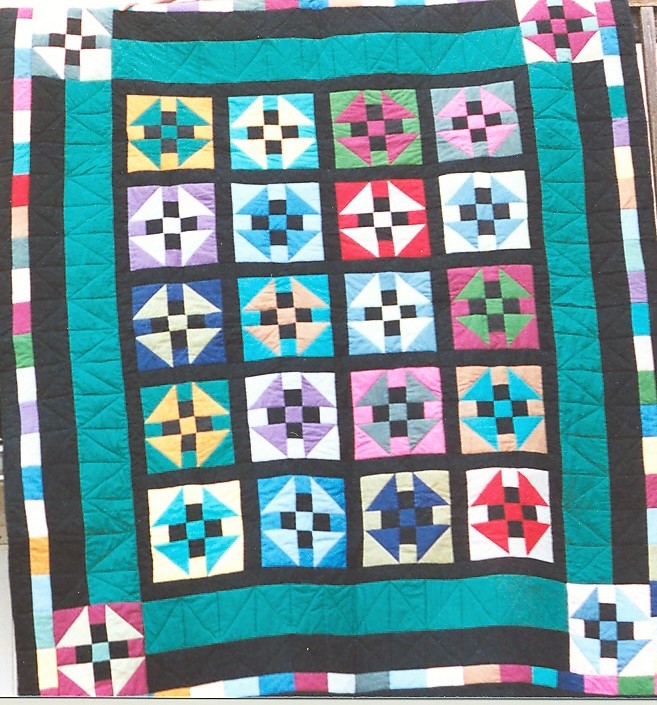
This is a quilt I made and machine quilted, then donated to a museum to be sold at a fundraising event.

In my blog entry, Quilt World, I mention writing a letter to the editor of Nebraska Life Magazine about the International Quilt Museum at the University of Nebraska-Lincoln. Please check out that blog for more details. That letter led me on an interesting journey.

The answering machine on my phone screens calls. I answer it’s ring when the number appears to be a person rather than a telemarketer. Consequently, something moves me to pick up the phone one Saturday to talk to a woman who says her name is Nancy Smith (this is a pseudonym to protect her privacy). She asks me if I am the person who wrote the letter to the editor in Nebraska Life Magazine about quilts last winter.

I have to think for a few minutes to recall her reference, having forgotten about the brief letter to the editor. Nancy tells me she is looking for a home for four quilt tops. After some discussion, it became clear that she wants to give me the quilts. Surprised and curious, I ask for pictures and measurements. Nancy engages the help of her daughter who takes photos and texts them to my phone. Nancy measures the quilts and texts that information as well over the course of the weekend.

This is quilt #1, a crazy quilt design made from scraps of silk and satin connected with decorative stitching. It appears to be the model for two cotton quilts described below.

The next hurdle for this generous gift is “the how” of accomplishing the quilt handoff. Nancy lives in Lincoln, NE. I live in a rural area approximately 100 miles or around two hours’ drive from Lincoln. I confess to Nancy that I didn’t know when I’d be able to get to Lincoln and ask if she has considered giving the quilts to someone closer to her home, or perhaps donating them to a shelter, imagining it might be easier for her.

Nancy is not interested in donating to a local source. However, she is a determined person, motivated to get the quilts out of her house, and generously agrees to drive more than halfway to meet me that Monday afternoon. I drive to our agreed meeting place. Nancy and her husband soon arrive. He greets me, steps out of his vehicle, and retrieves a box from their SUV. He hands the box of quilts to me.

I stow the box in the backseat of my Chevy Malibu and profusely thank them. Nancy says she wants to talk to me. Her husband walks around their vehicle and gets a walker from the rear seat, unfolds it, and helps Nancy out of the passenger seat. Nancy then walks, using her walker, around the SUV to talk to me. If I’d known about her condition I certainly would have walked to her side of the vehicle.

Nancy explains that she has been diagnosed with MG and asks if I’m familiar with that condition. I am not familiar. Her husband explains, MG is short for Myasthenia gravis. https://www.mayoclinic.org/diseases-conditions/myasthenia-gravis/symptoms-causes/syc-20352036 The Mayo Clinic describes the condition as one characterized by weakness and rapid fatigue of the muscles. Nancy explains that she no longer has the strength to finish the quilts.

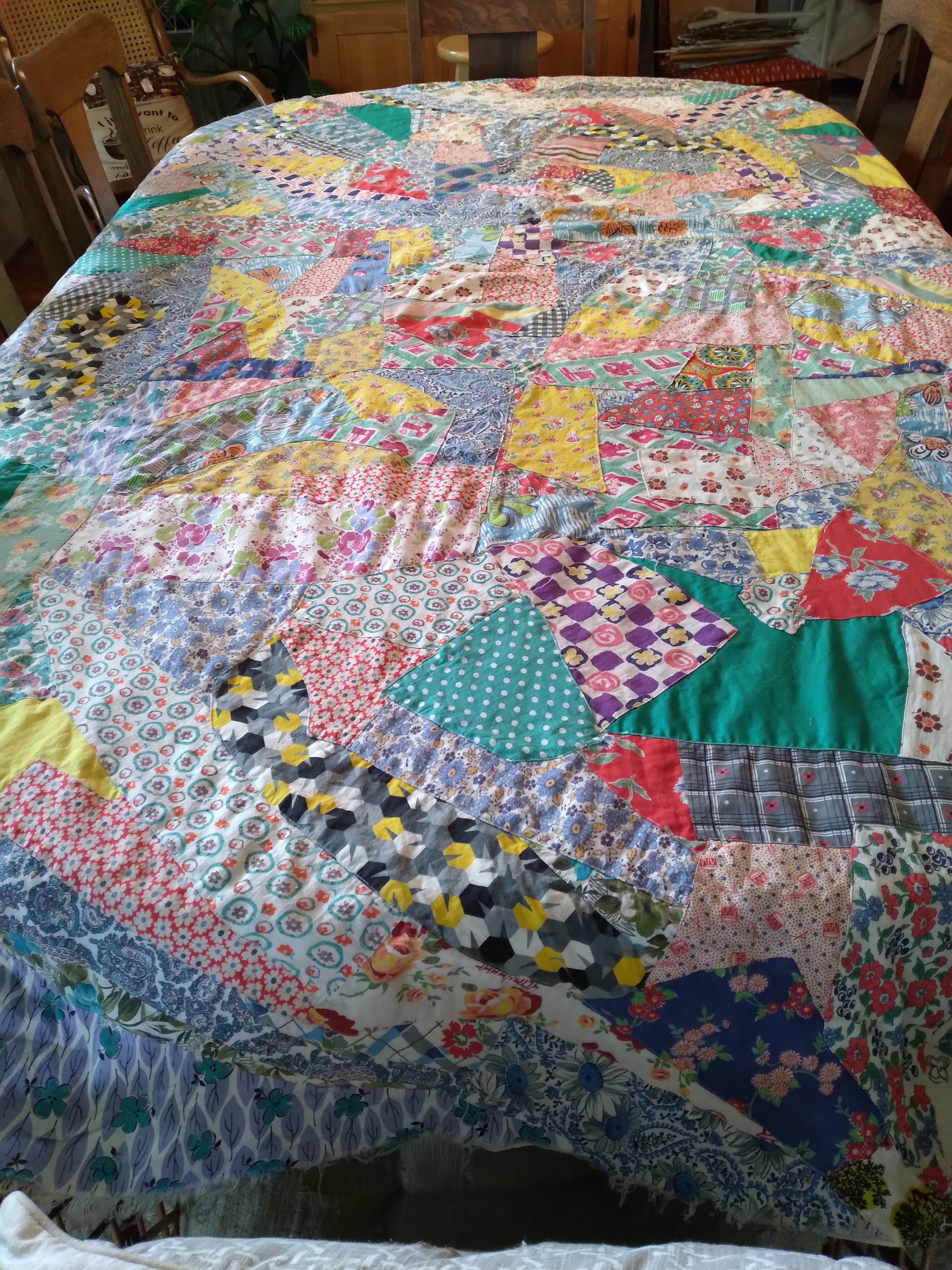
Quilt #2 is a crazy quilt design using larger pieces of cotton and 1940s feed sack fabric machine sewing to a muslin backing.

I ask for more information about the quilts. She tells me she acquired them from a man from Yankton who advertised them as quilt tops. These quilt tops were not what she was expecting. Nancy said she offered the quilts to her church group, but that group was afraid to work on quilts they feared might be antique.

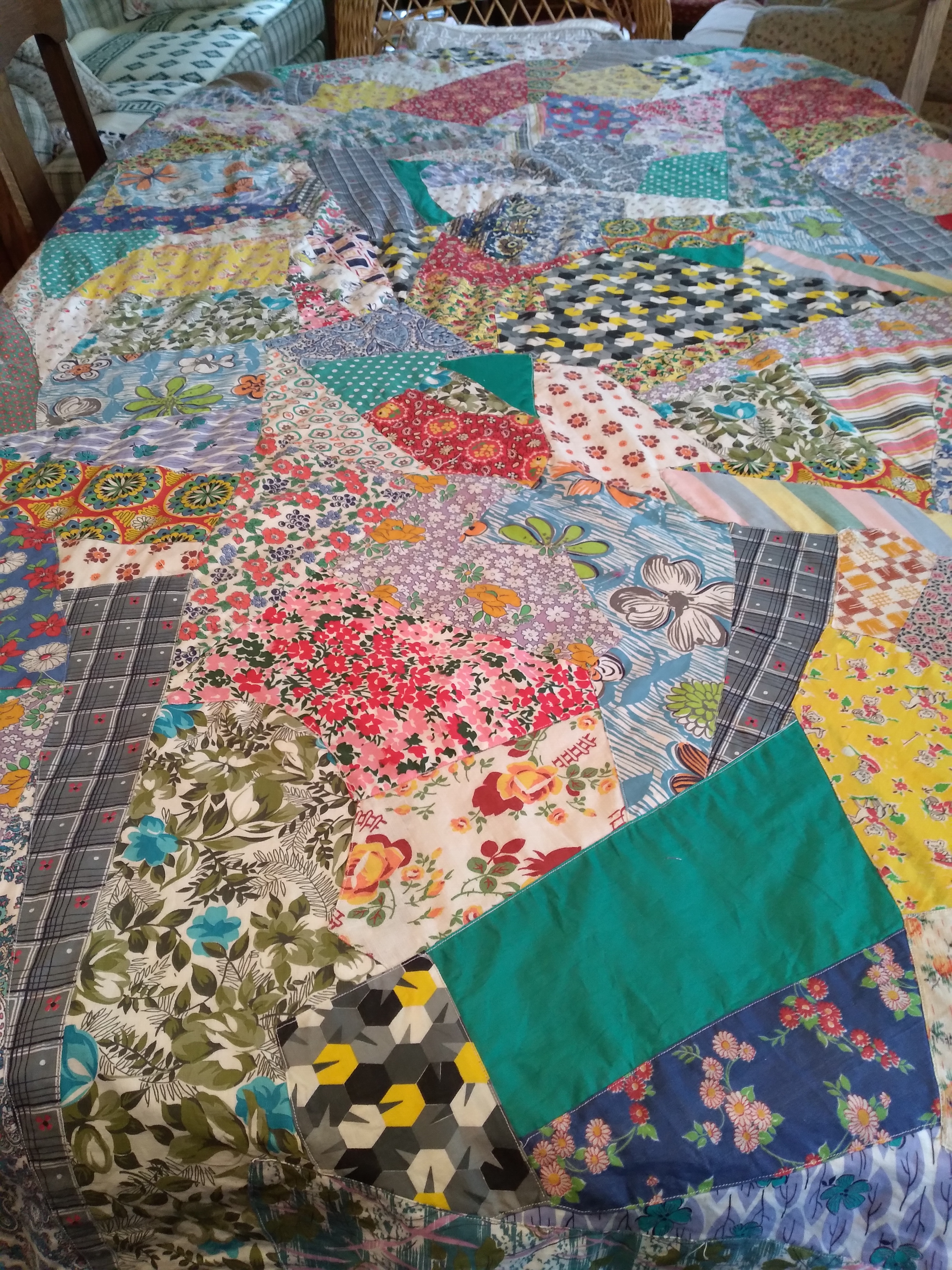
Quilt top #3 is constructed in a similar fashion to #2 and uses some of the same fabrics.

Nancy also isn’t sure why the original unknown quilter chose to machine sew the crazy quilt pieces to muslin backing. It makes the tops difficult to quilt. Three of the quilts can be considered crazy quilts. The fourth pink diamond quilt is hand-pieced without any facing.

The pink diamond quilt is all stitched together by hand. This quilt top does not have a backing fabric.

After returning home with the quilt tops, I decide to take a tough love approach to the quilts and clean them, like I’ve done with previous rescues quilts. I add a little vinegar in the wash to remove stains and any possible mites. I place the three machine-sewn crazy quilts in the washer, turn it on and hope for the best. I launder the hand-pieced quilt by hand and then hang them all on the clothesline in sunlight, muslin side toward the sun in three cases, backside up on the pink diamond quilt. All of them come through the laundry process in good shape. Two of the quilt tops will need minor repair. Two are ready to be quilted.

The quilt tops are an amazing gift for Nancy to give a stranger. I will try to be a good steward of her largess. One or more of these will make great donations to a community organization when completed.

Quilt World

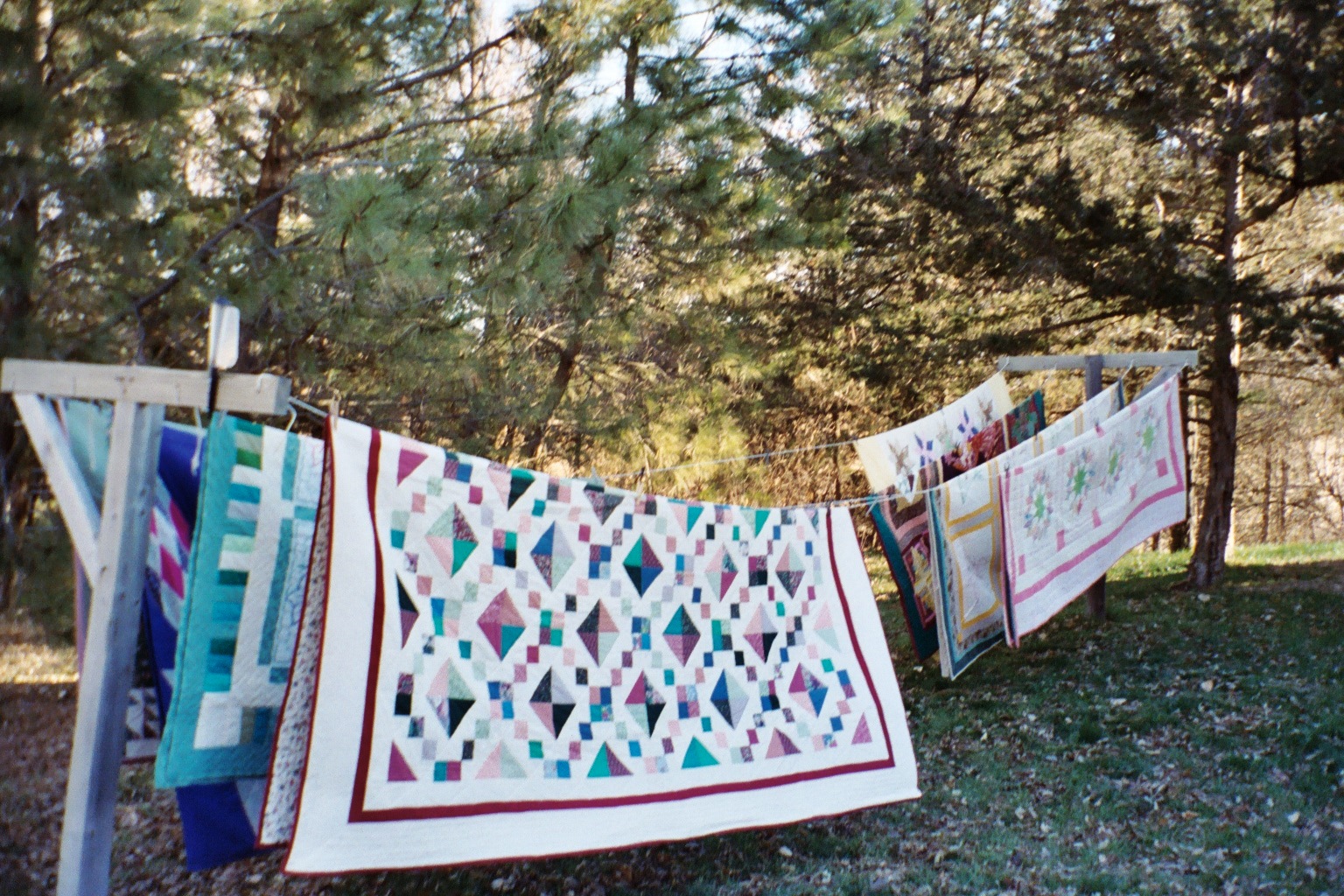
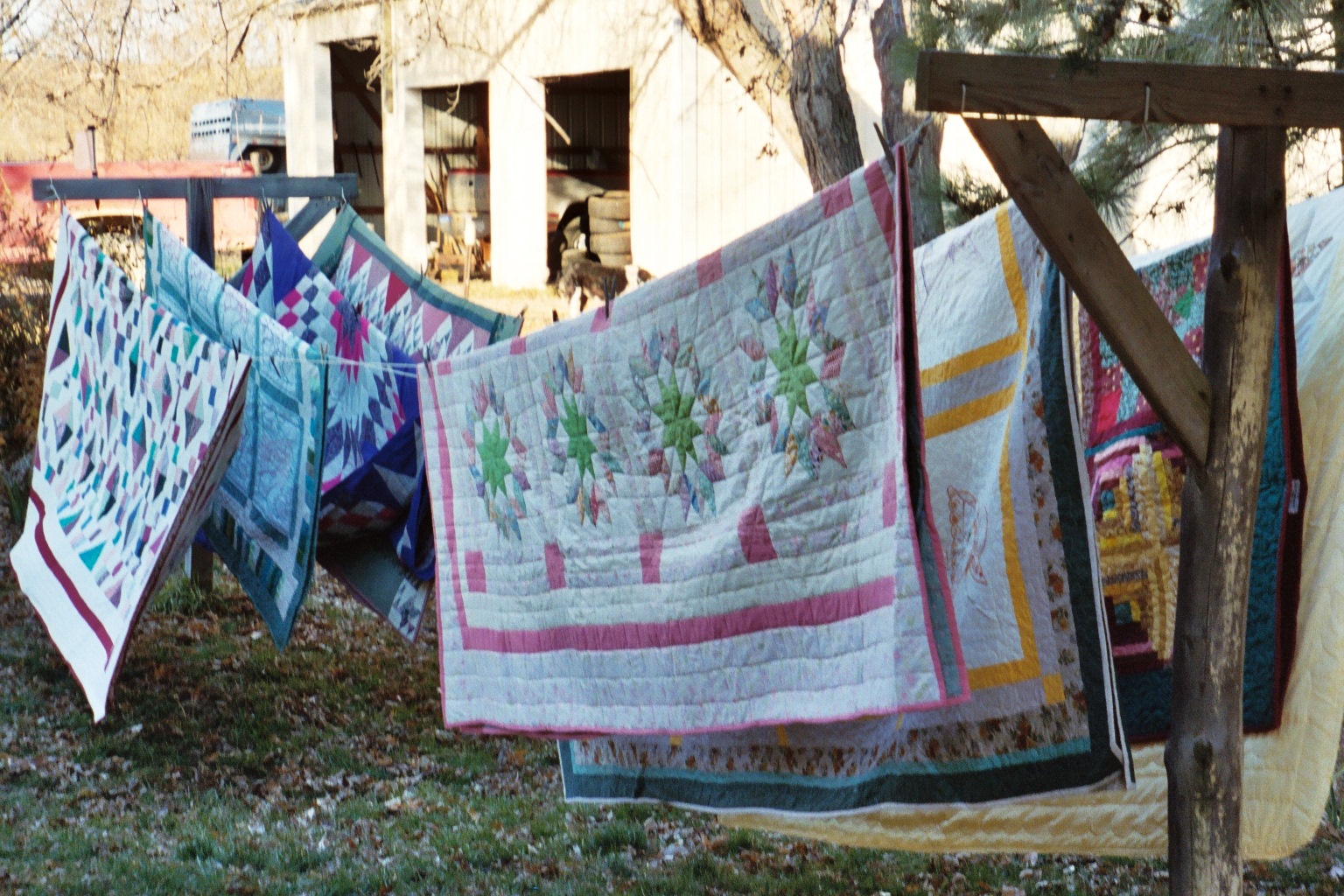
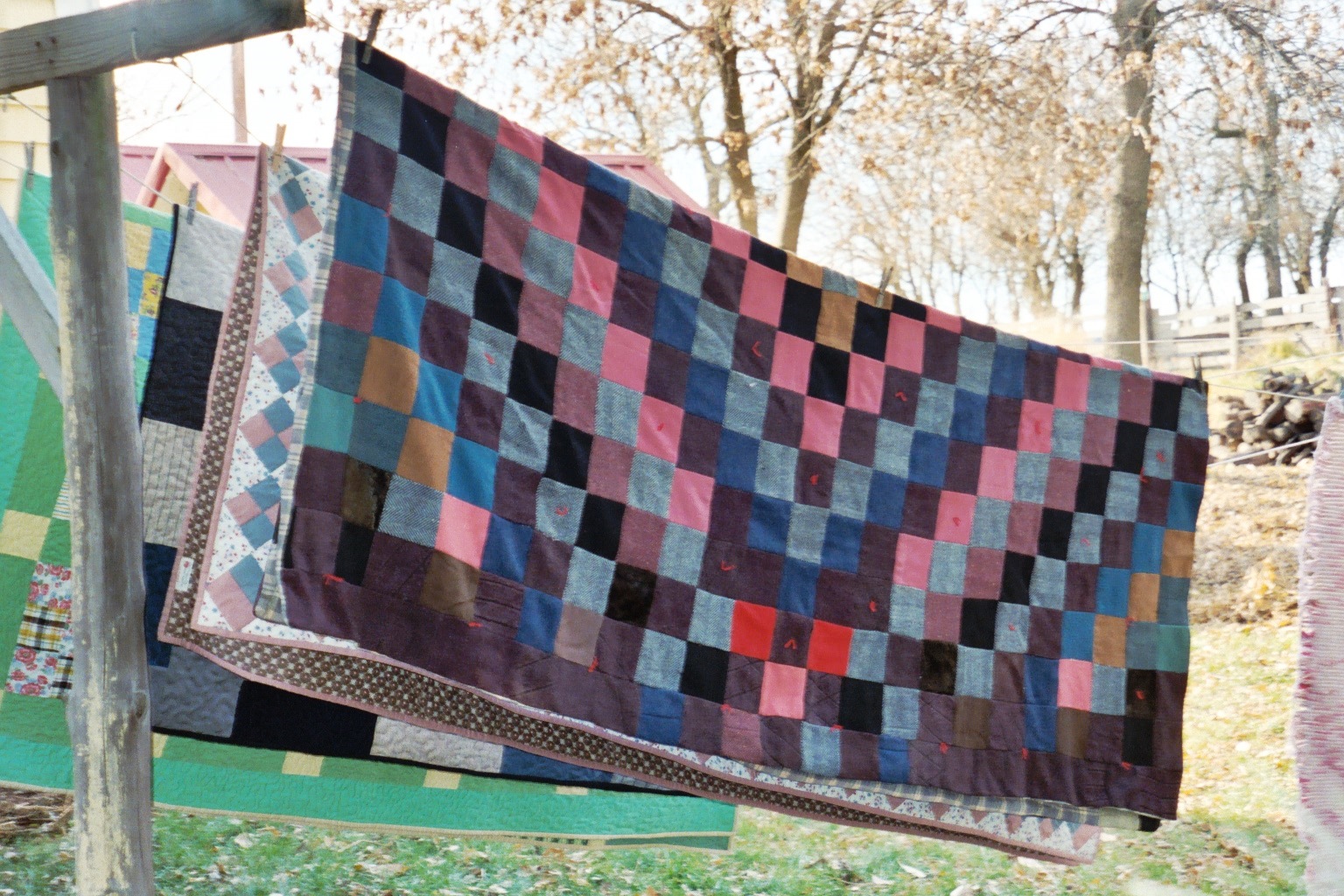
It’s good to periodically air one’s quilts. This photo shows multiple quilts airing on a clothesline.

I am a quilter and have made many quilt tops, most from established patterns and some I’ve designed. My first quilt was mad from scraps of fabric from old clothes. I enrolled in a few quilt classes and learned that 100% quilter’s cotton is a much better choice. The fabric will last longer, and all pieces of the quilt will be of consistent quality. These characteristics contribute to the longevity of the quilt.

A quilt is like a sandwich, in that it consists of a top, the middle, usually commercially prepared batting (like meat or cheese in a sandwich), and a fabric back, the second slice of bread in the sandwich. Quilt backs are usually one large piece of fabric, although one can piece a quilt back to create a reversible quilt, most people do not. The quilts airing on clothes lines are part of my quilt collection.

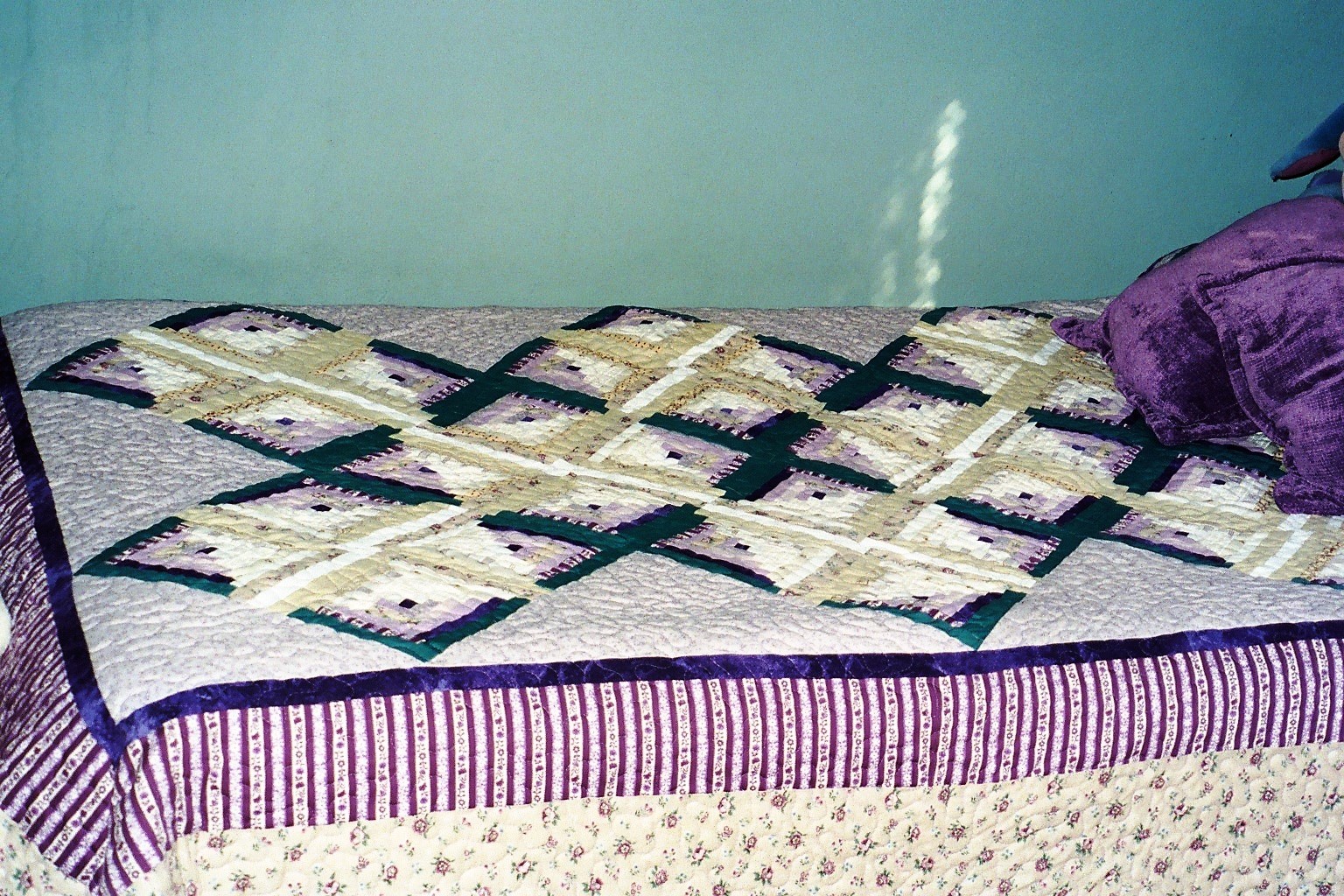
I’ve also “rescued” old quilt tops from antique stores and auctions where the unfinished quilt top is an unrecognized treasure. Making quilt tops is the creative part of the quilting process for me. I made the following quilt. It is an example of a finished quilt with a log cabin block design. After machine sewing the quilt top, I took it to a professional machine quilter to assemble and stitch the quilt sandwich. I finished the quilt by adding a binding strip to the edges.

Nebraska Life Magazine https://www.nebraskalife.com/ published an excellent article about the University of Nebraska Lincoln’s International Quilt Museum last year https://www.internationalquiltmuseum.org/ . Coincidentally, the editor of Nebraska Life Magazine asked if I would be willing to write a Letter to the Editor for an upcoming issue about an article of my choice as the magazine needed more letters to the editor that edition. Since I’m both familiar with and love the International Quilt Museum, I wrote a letter praising that institution. It was fun to see my letter in the editorial section and then I forgot all about it.

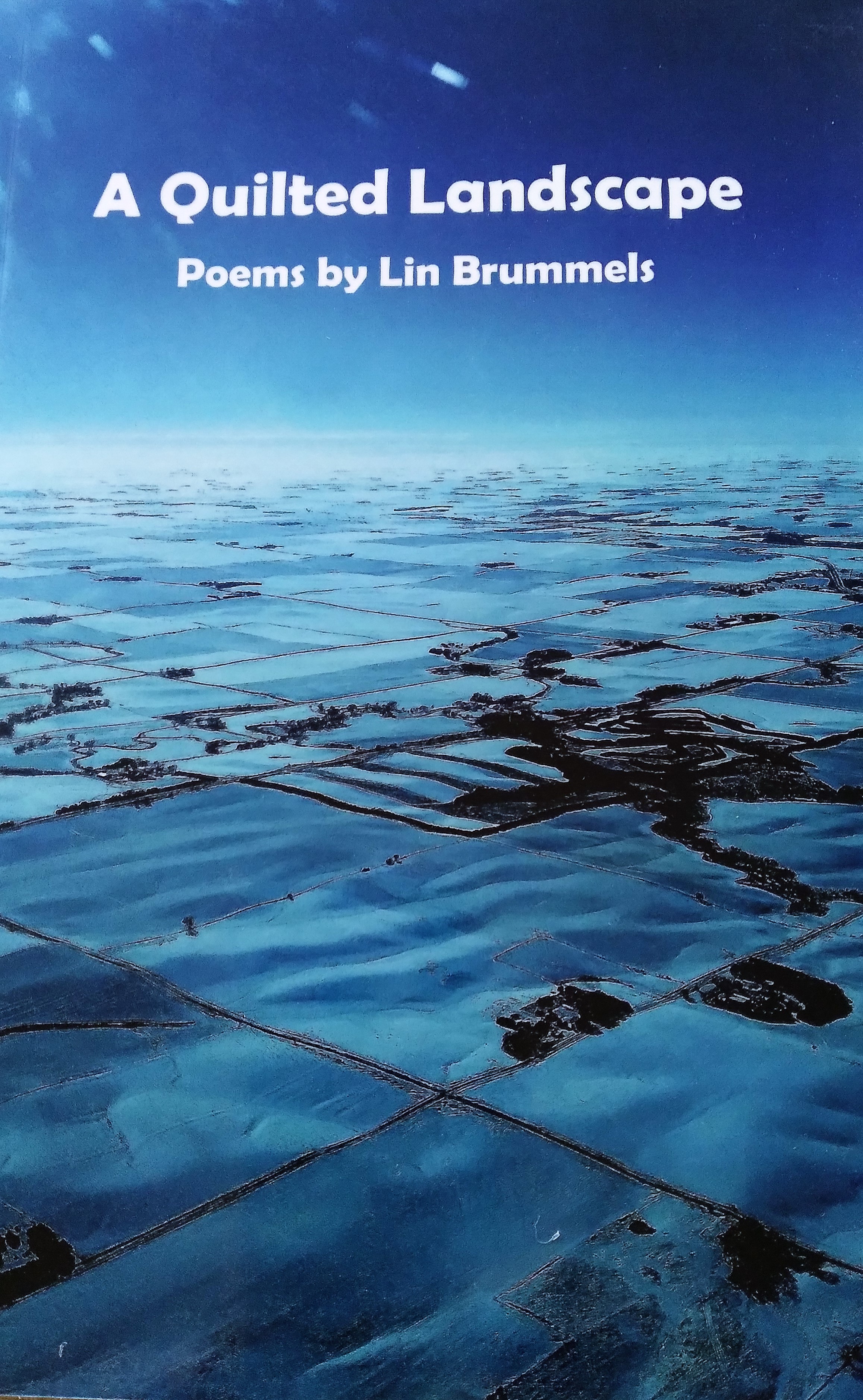
I’m also a writer and periodically submit poems to Nebraska Life and request the poetry editor’s consideration to publish those poems. The magazine has accepted and published an occasional poem in the past. This spring, I have a new book of poetry titled, as happenstance has it, A Quilted Landscape, published by Scrufpea Publishers in Sioux Falls, South Dakota in May 2021. They are poems about place and a few poems in the book have quilting metaphors, like my poem, Truth Unraveled, in the first section of the book.
TRUTH UNRAVELED
"Everything you add to the truth subtracts from the truth"  
Alexander Solzhenitsyn 

Psychologists report that memory 
is susceptible to alteration,

like decorating unsightly facts with rickrack,
lace edgings added for good measure.

Each recollection we believe is memory 
is mentally sorting 

and rearranging the past, 
like wearing hand-me-down clothes 

faded from the sun
last worn by older cousins.
People with recovered amnesia 
have the truest memories; 

like comparing bright colored quilt blocks 
stored in an old trunk away from light.
to the faded quilt on a bed. 
If police investigators and historians 

could time-travel, 
they wouldn’t need to stitch 

stories together, 
just visit the scene of the crime. 

Reality is a moving target,
an invented truth, 

leaving humankind adrift 
in a roiling sea of ethical dilemmas 

and accusations of fake news. 
We treat each other on today’s whim, 

ripping the seams of fragile lives,
frayed fabric and costs be damned.

To promote the book, I’ve made an author page, found a venue for a Book Launch in July, posted information to my author page, developed a postcard, and mailed them to libraries, colleges, and far away friends, hung a few posters in different towns, and will be doing another email barrage to friends and colleagues. I find that self-promotion is one of the most challenging parts of the writing business. Marketing after a book is published, like binding the quilt edges at the end of the quilting process, is necessary, but not always fun.

The cover photo is my photograph taken from the window of a small plane.

Spring into Summer

It felt great to have a few warm March days after a very cold February. It was warm enough to finally bring in the Christmas lights that I strung around the yard during the last warm days in November. All the electric cords were buried under inches of snow and ice for months. John Greenleaf Whittier memorialize winter’s bite in this poem.

Snow-Bound
by John Greenleaf Whittier

All day the gusty north-wind bore
The loosening drift its breath before;
Low circling round its southern zone,
The sun through dazzling snow-mist shone.
No church-bell lent its Christian tone
To the savage air, no social smoke
Curled over woods of snow-hung oak.
A solitude made more intense
By dreary voiced elements,
The shrieking of the mindless wind,
The moaning tree-boughs swaying blind,
Of ghostly finger-tips of sleet.
Beyond the circle of our hearth
No welcome sound of toil or mirth
Unbound the spell, and testified
Of human life and thought outside.
We minded that the sharpest ear
The buried brooklet could not hear,
The music of whose liquid lip
Had been to us companionship,
And, in our lonely life, had grown
To have an almost human tone.

Many large groups of snow geese fly north in March. I live in the great middle-of-the-country flyway and get to hear their calls and watch them pass overhead. The flocks have some dark geese in their ranks that look like dark silhouettes in the sky. In researching snow geese, I learned these are unusual blue geese that look like shadows in the snow-white flock. https://www.allaboutbirds.org/guide/Snow_Goose/overview

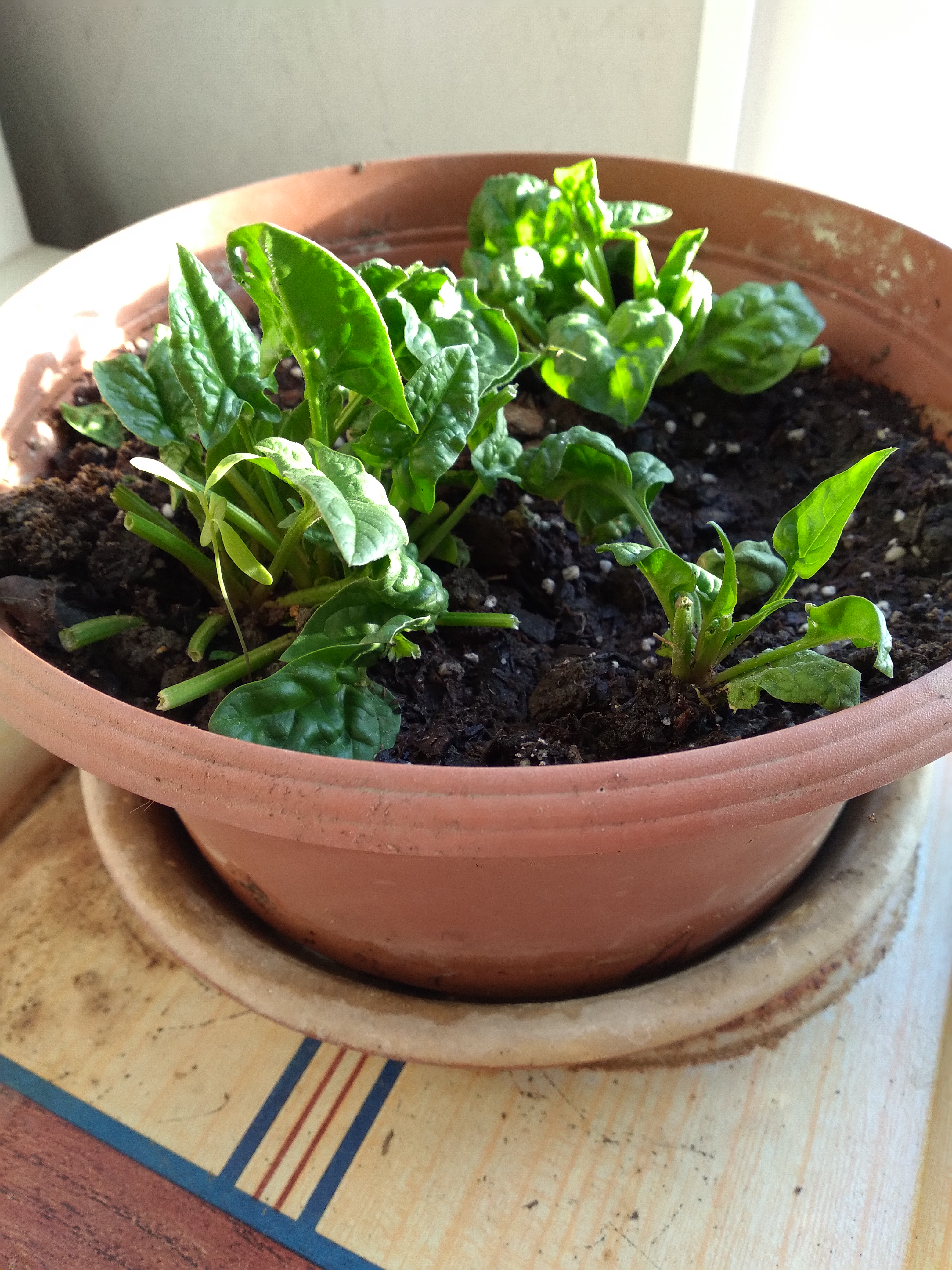
The spring bug bit me for sure, but it was too early to work on the yard. The lawn showed signs of green as snow receded. The garden was still under a snow blanket. I planted a pot of lettuce in an unheated garden shed, placed it in a south window, and after a few days of sun through the window the seeds sprouted. A pot of spinach survived all winter in that space. In a few weeks, a salad.

I spent too much time sitting at my desktop or laptop during the pandemic year. I took classes, attended meetings, and participated in work groups via zoom on the laptop. I’m writing this blog entry on my desktop computer. However, I believe it’s possible to find ways to finish projects without sitting in front of computer screens.

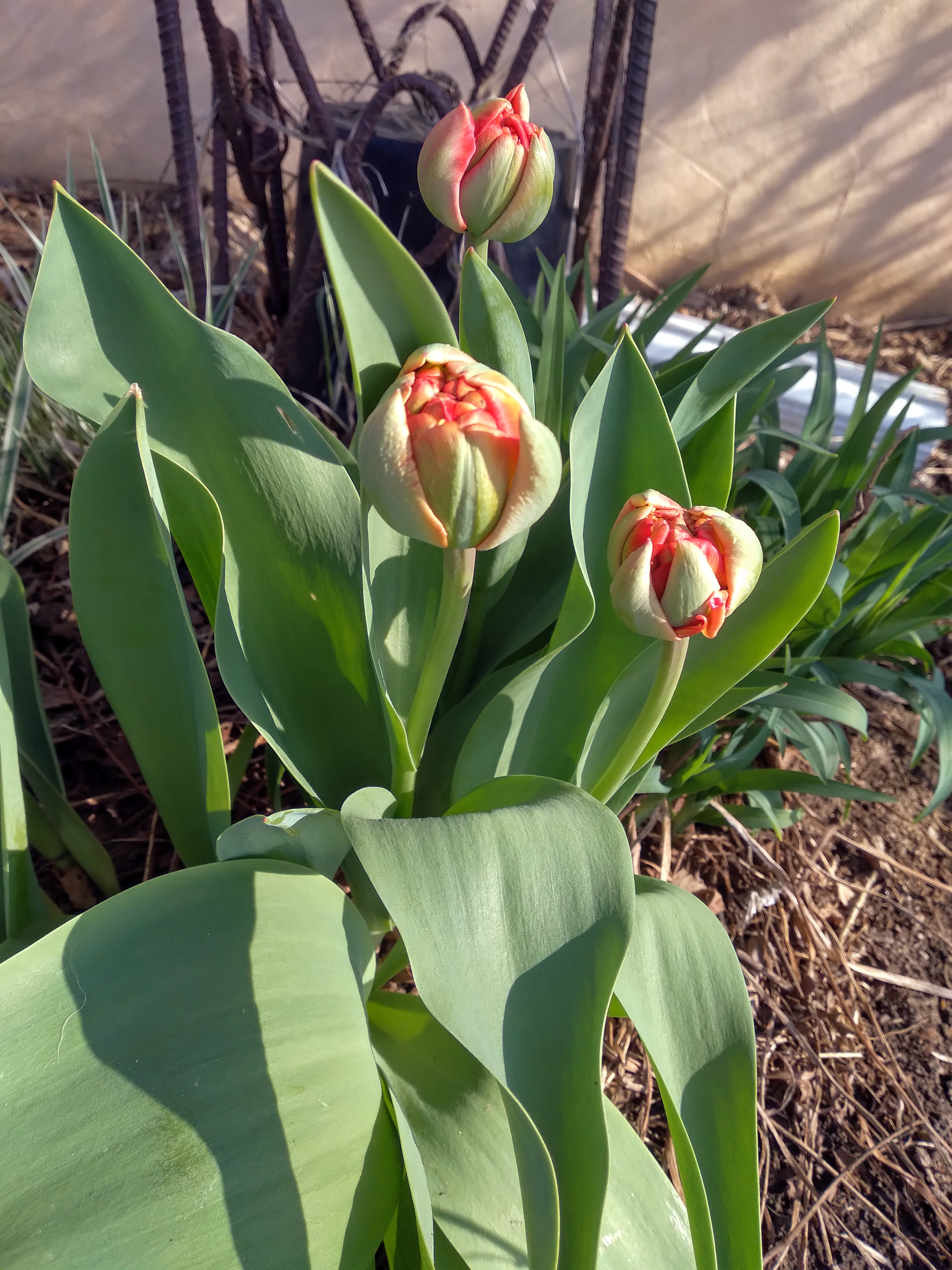
Spring had special meaning this year after a year of Covid seclusion. I emerged from my home this spring like a tulip pushing through cold soil to feel the sun on my face.

March arrived like a lamb delivering a warm spell perfect for basking in warm sunshine, reading, and re-reading books I love like the books listed below that influence Twila Hansen, storied poet. She was Nebraska State Poet for five years and has many publications to her name. Randal Eldon Green interviewed Twila Hansen recently. In that interview he asked Twyla about books she considers important. https://helloauthor.substack.com/p/interview-with-twyla-hansen-2021?fbclid=IwAR2ZvPuk8aBcThJU80DjsSypujeIAICP6mCvOh7zrx9AjErTjUPp3auso6U

In no particular order, here are just a few books that have influenced Twila Hansen:

  1. American Primitive – Mary Oliver
  2. My Antonia – Willa Cather
  3. Giants in the Earth – O. E. Rolvaag
  4. Silent Spring – Rachel Carson
  5. Old Jules – Mari Sandoz
  6. I Know Why the Caged Bird Sings – Maya Angelou
  7. Black Elk Speaks – John Neihardt
  8. The Unsettling of America – Wendell Berry
  9. A Sand County Almanac – Aldo Leopold
  10. Cottonwood County – William Kloefkorn and Ted Kooser
  11. The Solace of Open Spaces – Gretel Ehrlich
  12. Teodoro Luna’s Two Kisses – Alberto Rios
  13. Above the River – James Wright
  14. She Had Some Horses – Joy Harjo
  15. The Immense Journey – Loren Eiseley

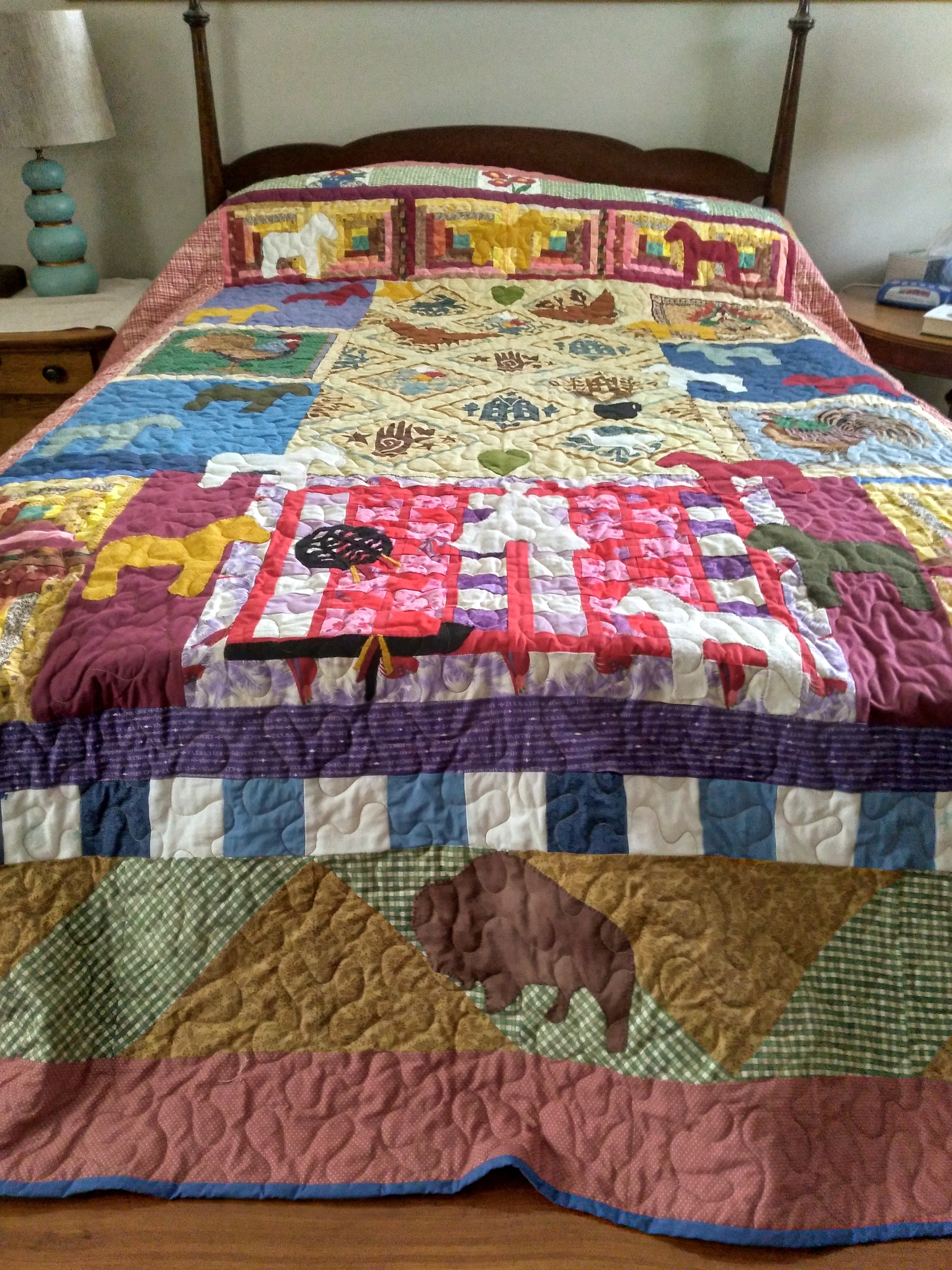
The list of books that have influenced me is similar. During the winter of 2020, I read and reread Black Elk Speaks by John G. Neihardt. I am deeply interested in and impressed by Black Elk’s vision dream. I used time in Covid seclusion to craft a quilt with many elements from the vision applicated to a unique visual field.

I enjoy making quilt tops but usually take them to a professional quilter to do the actual quilting, as I have done with this quilt.

This is the finished quilt completed in March 2021.

Spring merges into summer quickly on the Great Plains. Temperatures range from minus twenty-five in February to ninety-five in early June. I wrote this poem to commemorate Black Elk’s vision, my quilt, and drought gripping the west in 2021. Today there is rain.

RAIN MAKER

                                     by Lin Marshall Brummels
                Summer heat,
awake late, reading Black Elk Speaks,  
how Neihardt’s daughters’ record 
the sage’s words, for their father,
Black Elk named Word Sender.
		My quilted dream
version presumptuous perhaps 
in comfort of home these many years 
after John G sat around Black Elk’s 
campfire for months to hear him. 
               Sleep evades
as high pressure builds, I yearn 
for the right words for this poem, 
get out of bed, physically search
for inspiration,
              find a drawer full 
of hair ribbons like rainbows Black Elk 
saw on mountain top after he called 
for rain, sky darkened, rain came, 
earned him title Rain Maker. Today
             Thunder Gods 
from the west sound off, warriors
riding matching black horses,
carry spears flashing lightning,
bring much needed rain.


Constructing a Building is like Crafting a Life

Over the summer, I oversaw the renovation of an old garden shed in the back yard and the construction of a new horse shelter in the corral. The garden shed remodeling effort was like remaking my appearance by getting new clothes or dying my hair – mostly cosmetic. However, in the process I learned it’s important to examine fundamentals first, by asking why I want change e.g., am I trying to deceive someone with a new look? If one wants to have more than a decorative fix, foundational defects should always come before surface pretties, e.g. a new outfit or hairdo do not fix underlying anxiety or depression. Hidden issues encountered when remodeling the shed is a construction example of this principle.

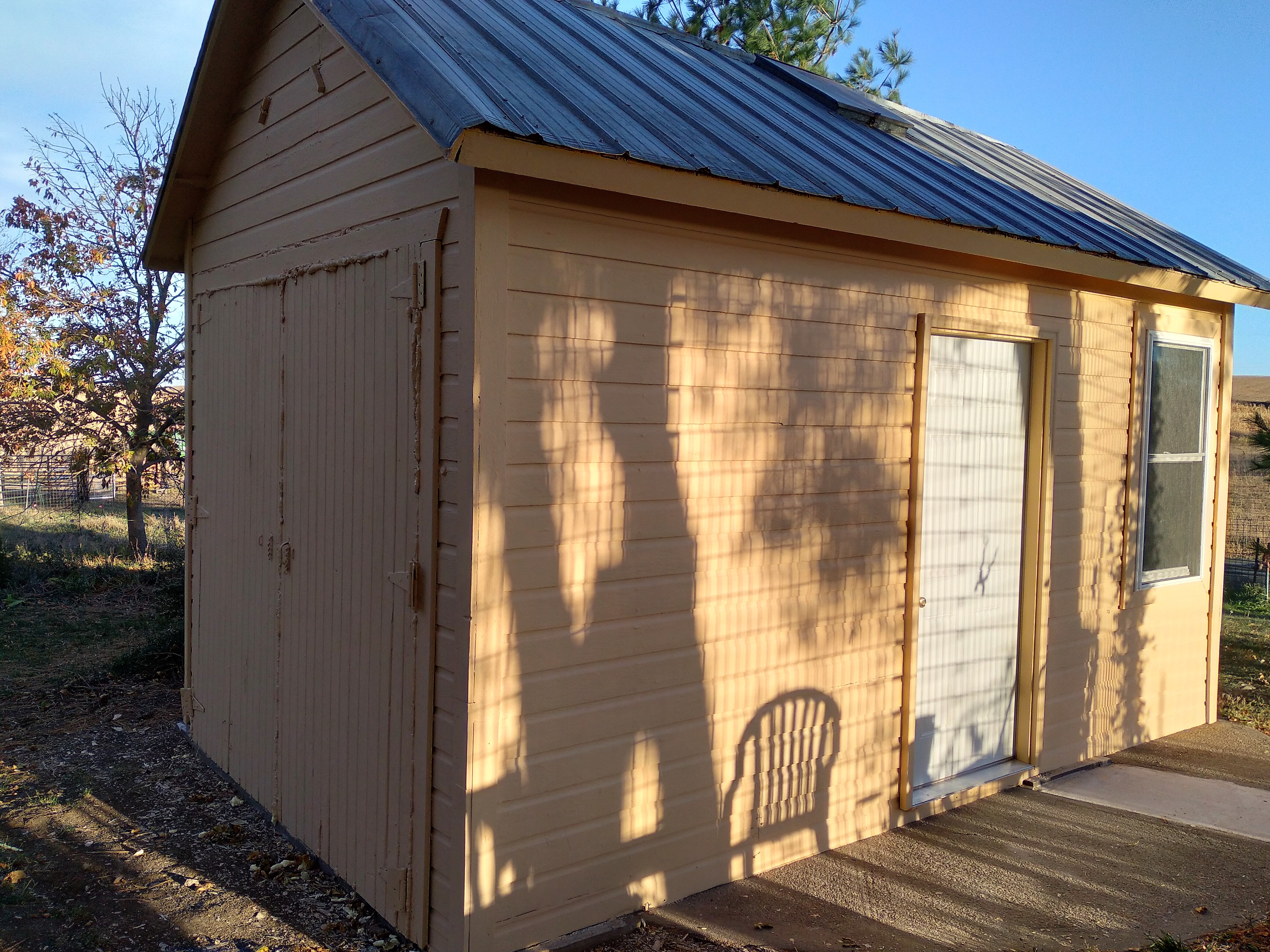
Remodeled Garden Shed

I communicated my vision for the garden shed to the contractor, as a three-season building, to extend the growing season in the fall, and a place to start seeds early in the spring. This included adding insulation, windows, and a new door. In this discussion, I requested that they repair problems, seal the building from rodents, bugs, and moisture. I thought those were clear instructions but found I was wrong.

After the shed’s cosmetic remodeling was nearly finished, I discovered the sills under three sides were rotten. The contractor either didn’t notice the rot or decided not to tell me about it. Although he wouldn’t admit it when confronted, I believe he hoped I wouldn’t notice, and he could skip this important step.

I scraped away the rotten wood as much as possible without starting the entire project over and repaired the sills after a fashion with cans of liquid insulation and multiple tubes of calk. This important step should have been done by the contractor before the cosmetic part of the project was accomplished. I learned the hard way to be more hands-on with contractors.

Construction of a new building, on the other hand, requires beginning with a clean slate. Creating a physical clean slate is akin to emotional housecleaning where we dig into our psyche and purge jealously, mean-spiritedness, or other emotional baggage that pulls us down. It can be helpful to consult a licensed mental health professional to assist with this process. Just as we hire professional contractors to build buildings, our emotional life is worth paying a professional counselor to help us monitor our mental wellbeing.

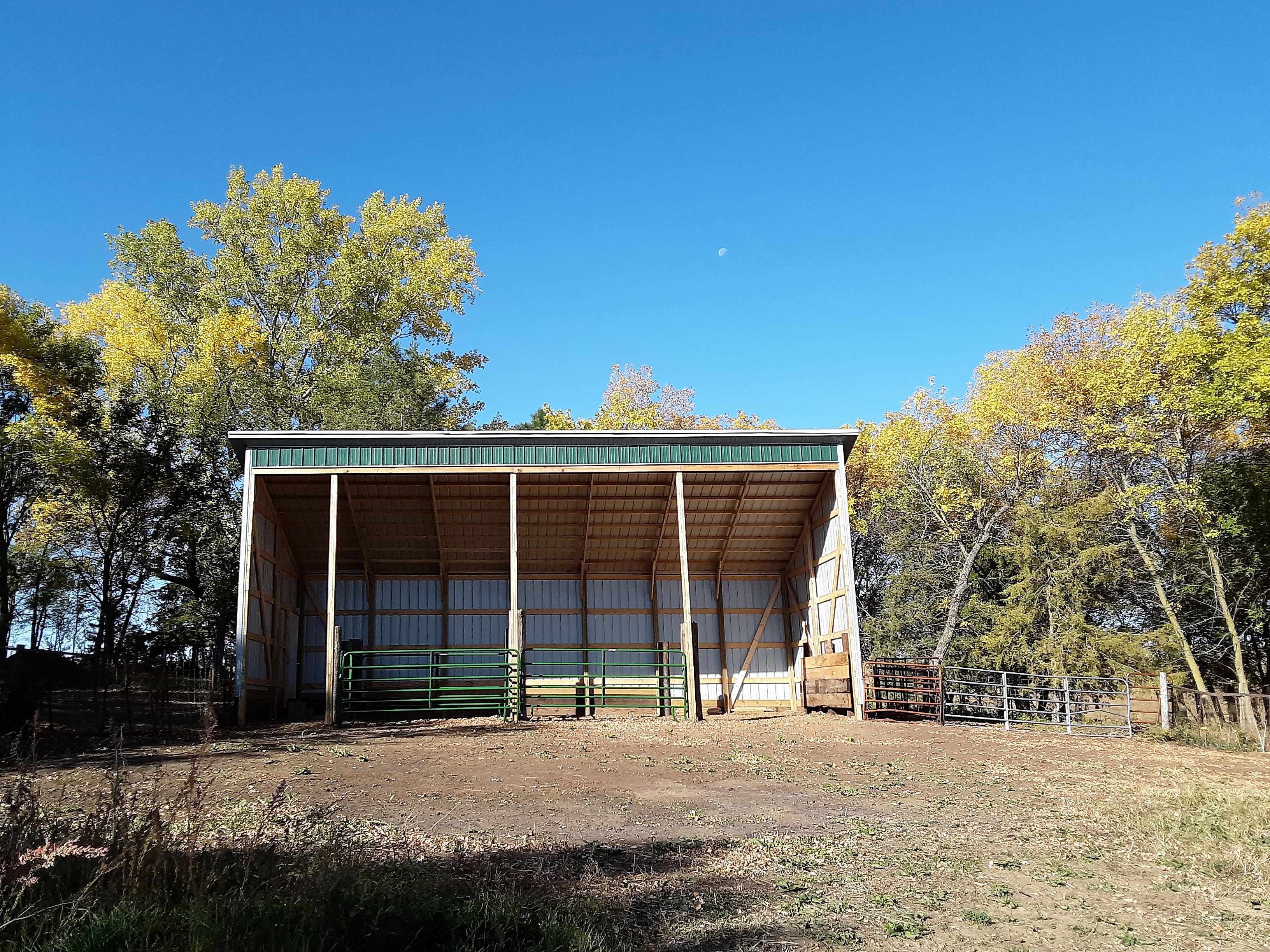
In the new building example, over the course of several years, we made plans to replace a decrepit thirty-five year old windbreak with an open front shed that could serve more than one function; both replace the windbreak and provide stalls for horses. 

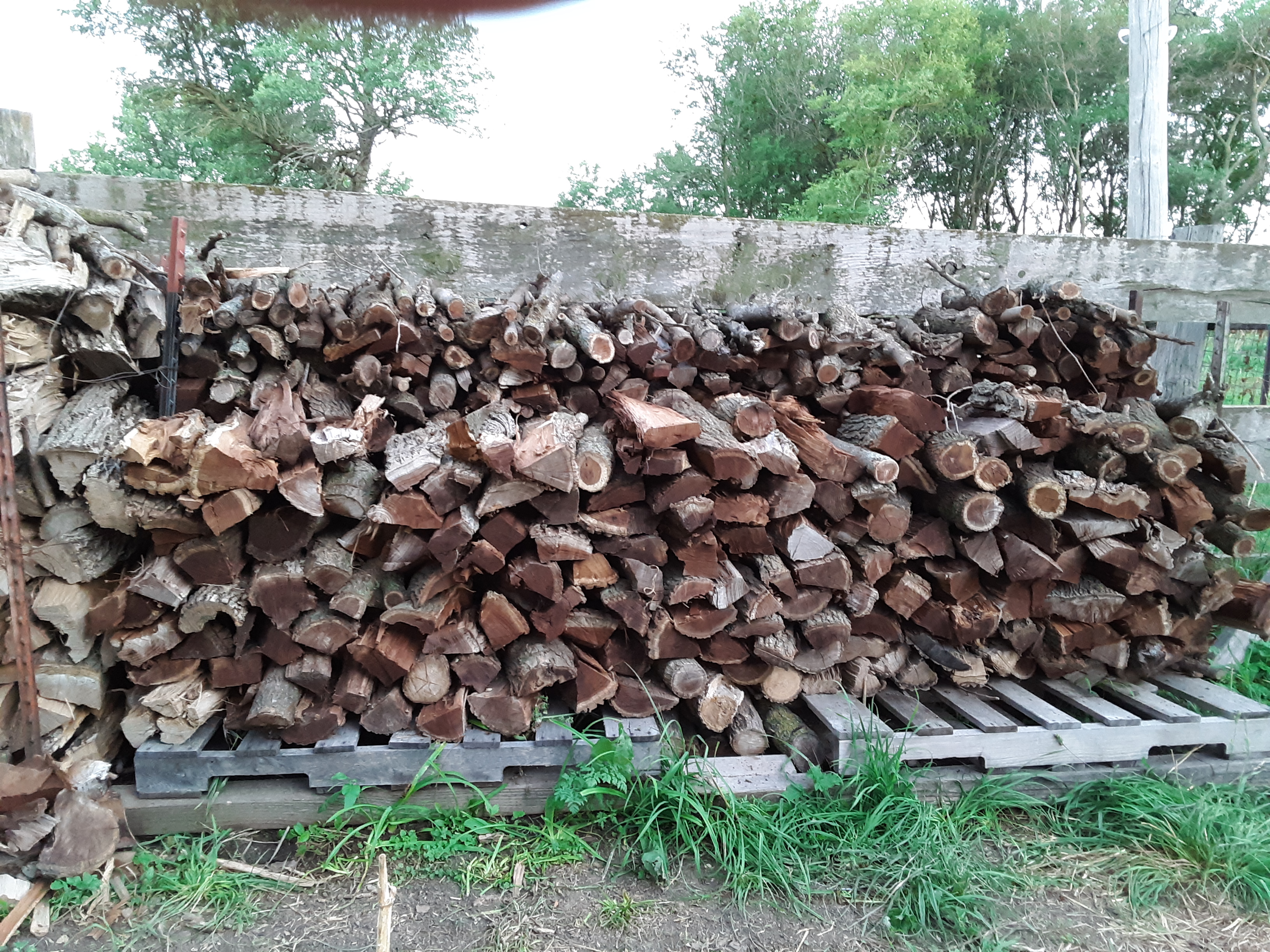
To create a clean slate, an old tin windbreak was removed. Rotting posts and support pieces were piled for a future fire. We dedicated two years to removing trees one at a time, cutting and splitting the downed trees into small enough pieces to burn in the house’s woodstove, and finally removing all those pieces from the building site and stacking for future use to heat the house.

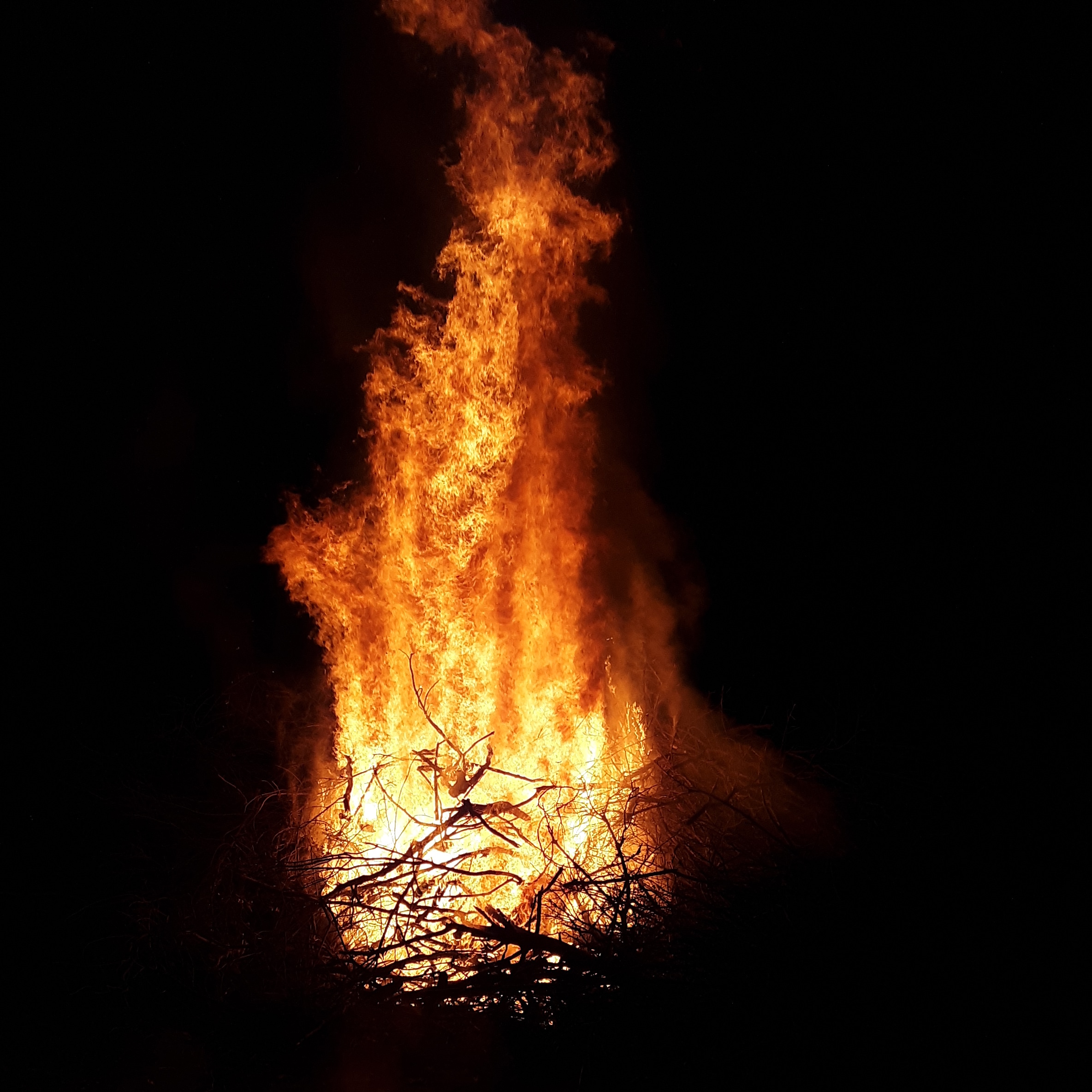
Branches from the trees we cut were added to the old lumber pile. We had a bonfire in the spring while the ground around it was wet from snow melt and we didn’t have to worry about the fire getting away.

 After the trees were cut down, about two dozen tree stumps remained. During the third year a friend brought over his giant stump-grinder, and we spent a day chewing the stumps into sawdust.

My tall son, who did all the tree cutting and log splitting), requested a building tall enough to saddle and mount his horse inside during inclement weather.

Oats before a ride

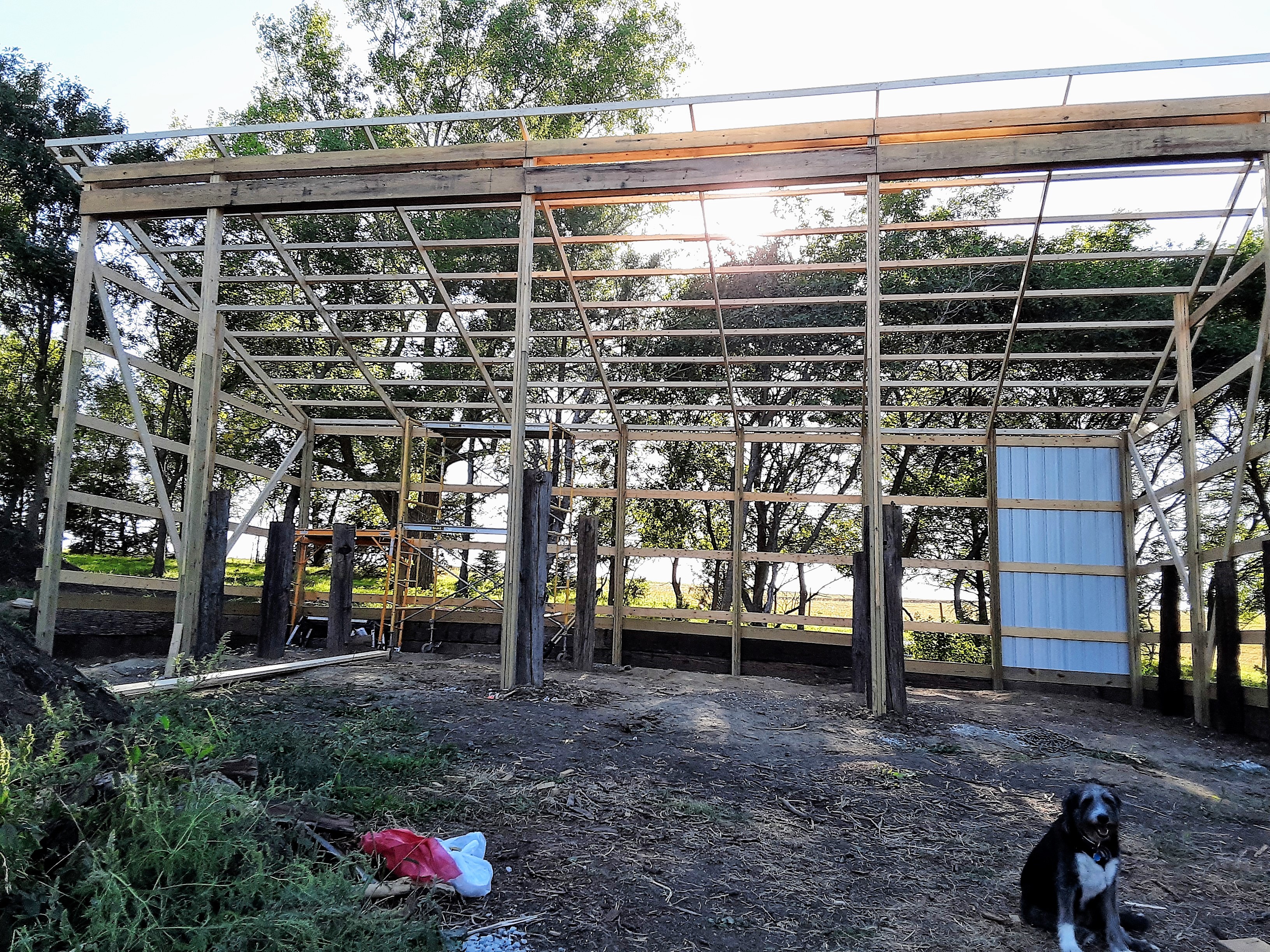
At this point in the journey I hired a contractor to build the new building. He committed to a starting time and I ordered the building materials. As a novice at ordering materials, I overestimated the height of the project. The site we selected was on a slope (a flat space was not an option as every bit of land in this part of the county has rolling hills). Next, I consulted with another contractor about leveling the site. He accomplished this task admirably well and recommended adding bridge planks under the building to help with drainage. The bridge planks provided additional and unanticipated height to an already tall pole shed. It looked like it was made with tinker toys in the beginning.

Horse shed frame with one wall section installed.

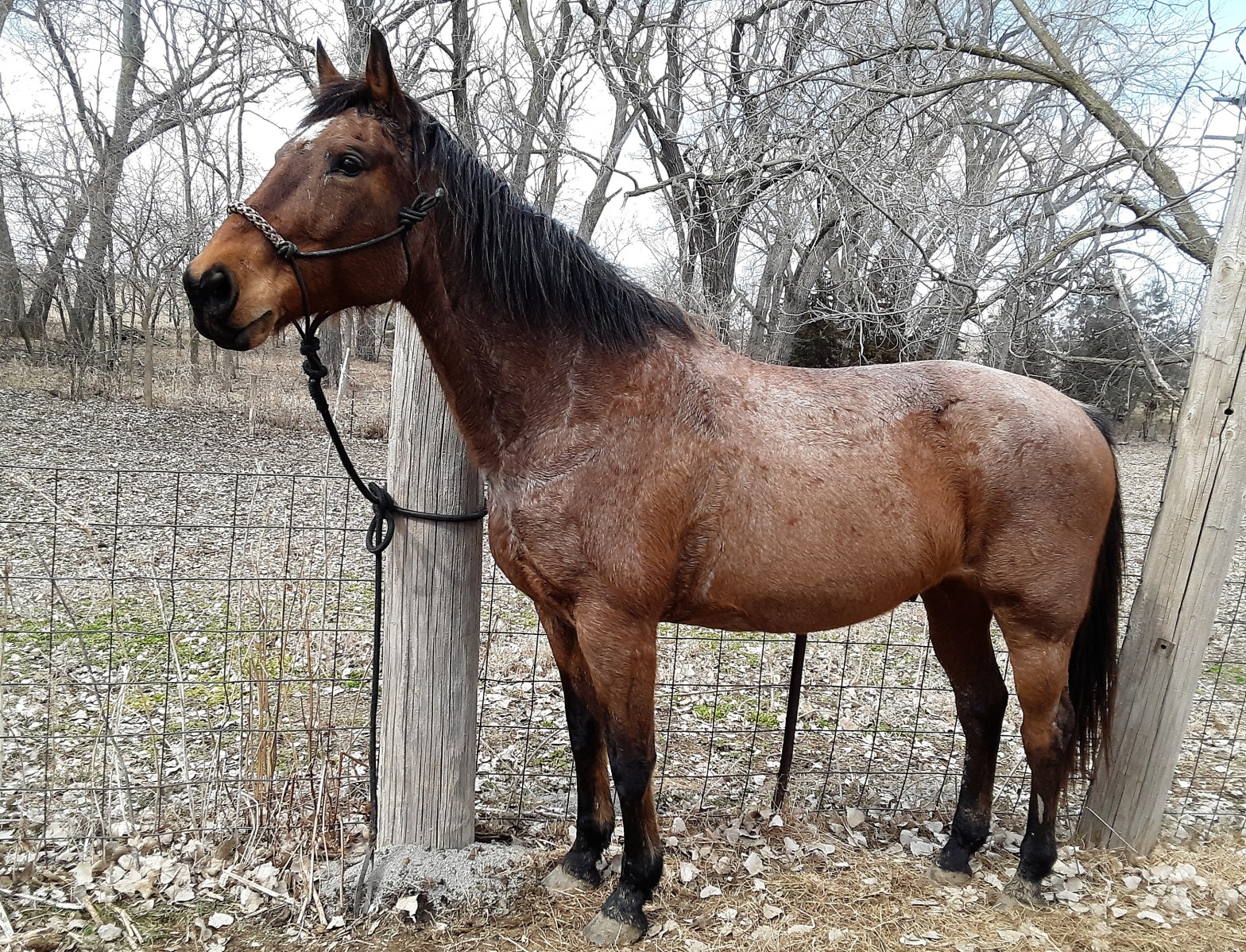
The height has provided friends and neighbors with lots of ammunition to give me a hard time. This oft repeated sentiment gives everyone a laugh, “Kind of tall, isn’t it?”  I laugh with them. It is kind of tall but working admirably well to house a weanling filly. There’s room for the older horses to shelter during blizzards too.

Finished Horse Shelter

Now, time to get to work on my emotional baggage this winter while I wait for spring to sow seeds in the garden shed and begin again.

A HORSE IN EVERY ROOM

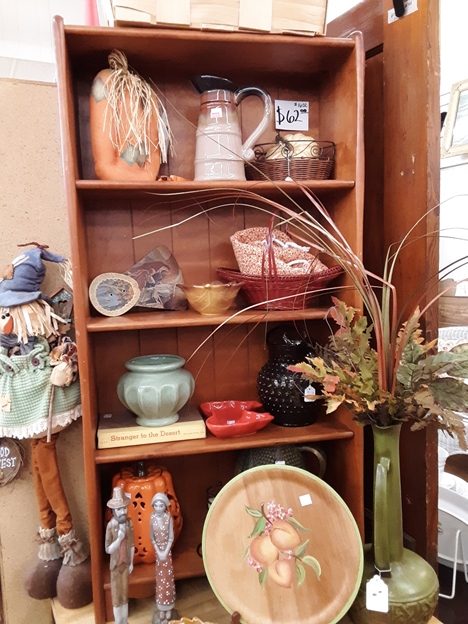
Greetings, I’m beginning this blog with a confession. I spent too many hours of precious free time during my working years shopping in antique stores. Many items ended up packed in boxes and now have little value for resale.

Early in March 2020 it became widely recognized across the United States that we needed to make dramatic changes in every part of our lives to reduce the spread of COVID 19. Many of us began to shelter at home. I looked at my house with a more-than-usual critical eye and tried to declutter.

Snow and cold outside

I had planned to fly to Ireland the third week in March and realized the trip had to be cancelled about the same time that the United States started closing her borders and flights were cancelled. Ireland also closed her borders to tourists at that time.

I was disappointed to miss this opportunity, just as many others across the world also had to change plans, and began to deal with days, weeks, and now months for some of us, in the confines of our homes.

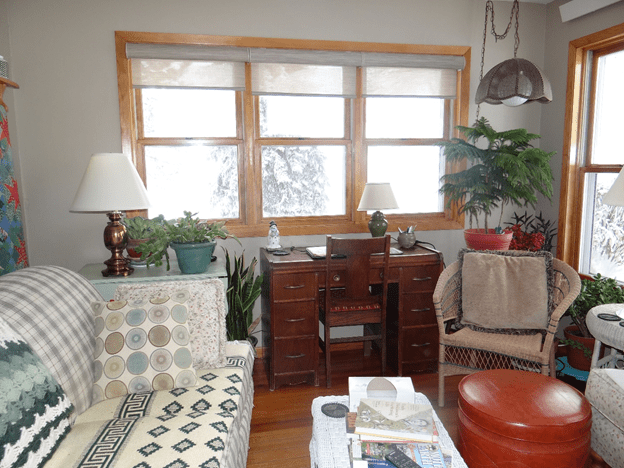
One of my ways of coping with so much time alone has been to rearrange the furniture several times. It felt like I traveled when I return to a room that looked different than it did or I went to a different part of the house.

Finally warm enough to go outside.

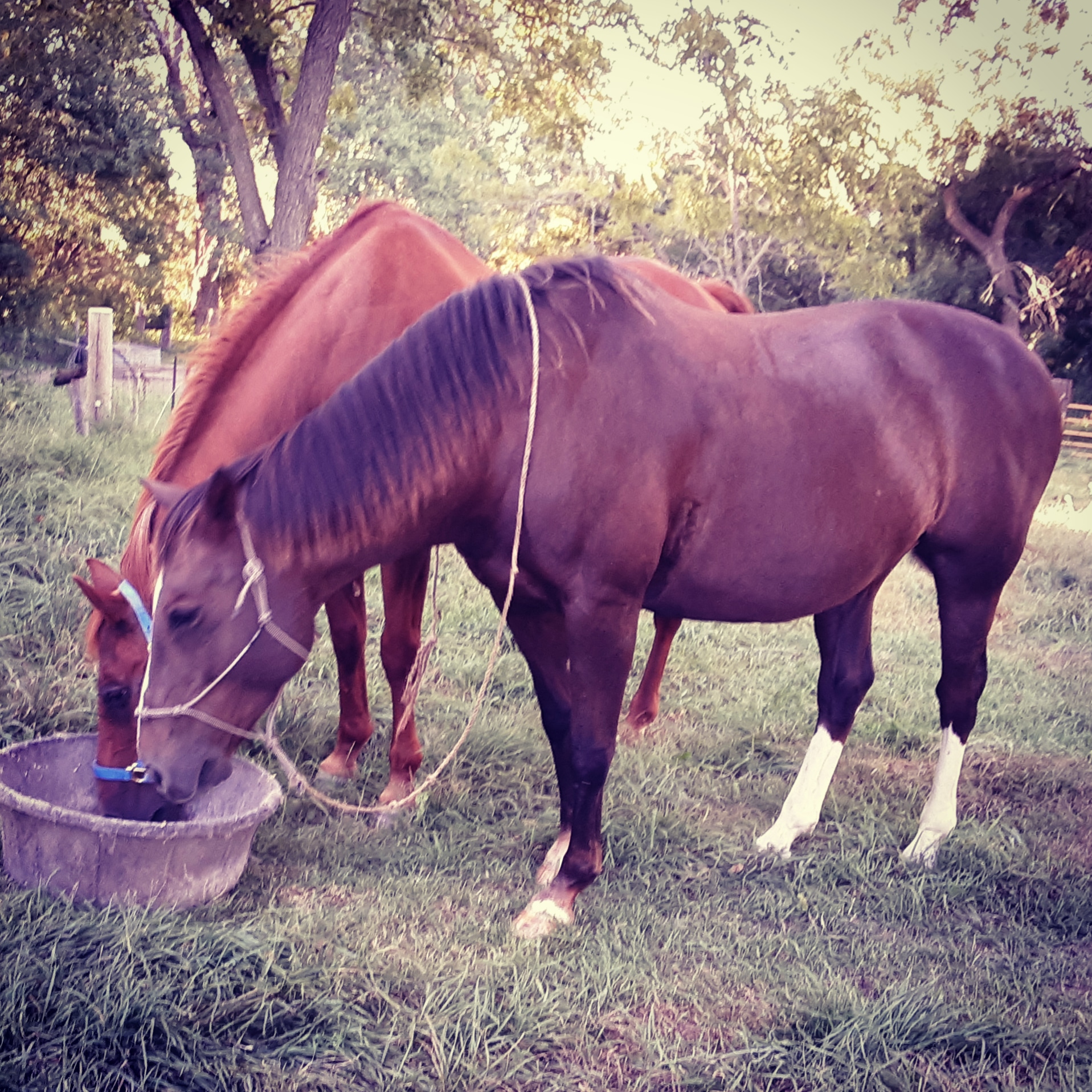
I’m lucky to live outside city limits in a rural county where I have a couple of horses and board a few more. It has been easy for me to be outside and be socially distant from others at the same time. My heart goes out to those without the “outdoors” option.

Munching prairie hay

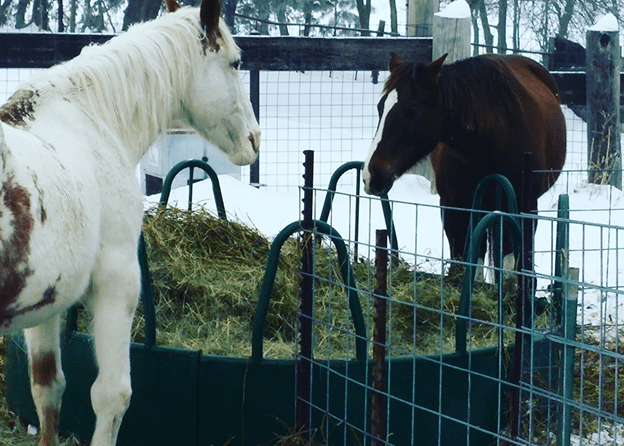
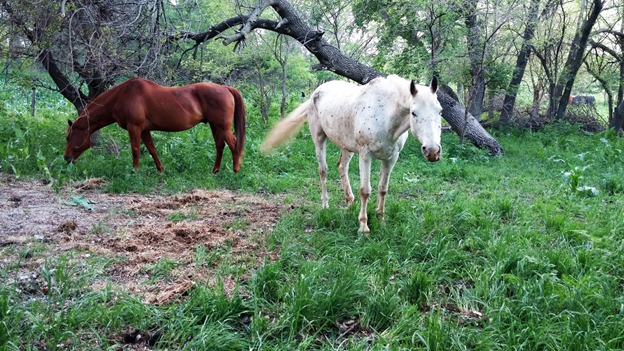
During multiple furniture re-arranging, and feeding the horses in my care, I hit on the idea of having a horse (representative) in every room of the house. I framed photos of horses, found tucked-away equine paintings, and discovered other horse-connected ephemera purchased and forgotten.

Early spring green grass

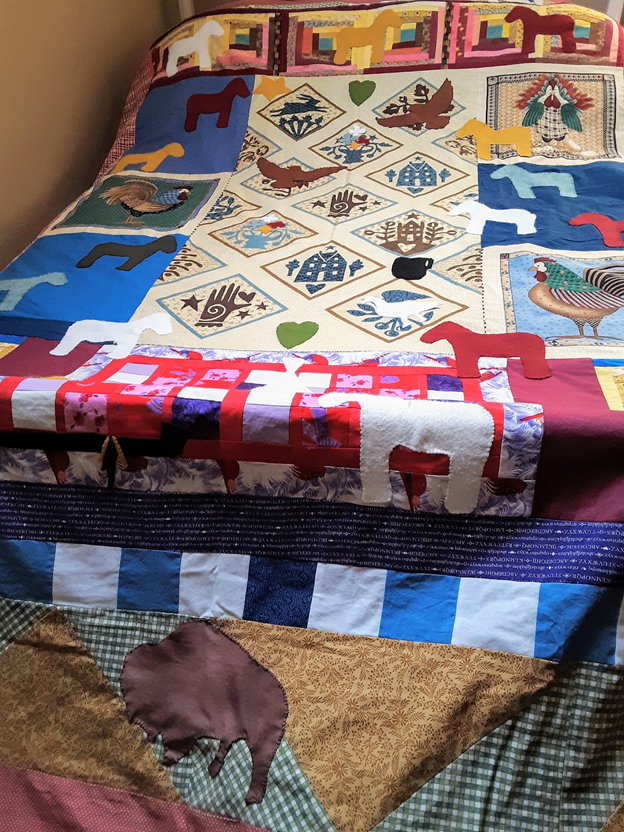
I was also working on a quilt top with several large plain-colored squares last winter and felt it needed some embellishment. I was re-reading Black Elk Speaks by John G. Neihardt at the same time. Considering I was now sheltering at home and thinking about equines, I made use of the time to applique horses and other items mentioned in Black Elk’s dream to the quilt top.

Vision Quilt

The “horse in every room” project helped to pass the time during the winter pandemic months. Both the project and the quilt are nearly finished and will be concluded with addition of one more horse item for the back porch and quilting the top (pictured) to its back.

DRY SPELL

This part of Nebraska and many other states are officially in drought. If our eyes can’t see the results of this dry spell, the nightly weather forecast provides a daily update from the National Drought Monitor that shows the extent and severity of drought in our part of the country. Wildfires are raging across much of the western half of the United States. Smoke from those fires reduce air quality for millions already stressed by the effects of COVID-19.

I’m choosing to add photos to this blog from earlier in the summer when gardens and pastures were green and trees bloomed with great promise.

I’m also in a bit of a writing dry spell. The pandemic has shut down most face-to-face interaction. My writing group did not meet for four months. Some of us are now meeting virtually, but as all of us surviving zoom meetings know, it’s not the same experience as an in-person gathering. I dearly miss the people in my writing group, our conversations, and in-person writing feedback. The monthly writing group meetings provided me with valuable discipline to bring new and/or revised work to our meetings. Now, I still write on a schedule, but it feels like everything is in draft form, never finished.

Happily, I’ve had several poems published in journals this year. I wrote most of the poems before the pandemic. It gives me hope that although we meet virtually for now, eventually we will figure out how to meet in person, in ways that are safe and meaningful to everyone.

I water my vegetable gardens and flower beds. I decided to let the lawn tend to itself. Mostly only weeds grow in the lawn. It needs to be periodically mowed even though the grass has gone domant. Today it’s 95 degrees, too hot to even weed. These temps are expected to get even hotter as the week progresses.

Gardening is a process that helps me cope with both emotional and physical dry spells. Nature provides endless inspiration for me to write, photograph, and occassionally paint.

My poem Garden Therapy was published in Nebraska Life Magazine in 2019.

GARDEN THERAPY

A recent study proves

what I’ve known

for years:

digging in the dirt

treats depression

as well as

or better than

Zoloft

There’s something magic

about bending, reaching,

kneeling on soil

that stretches us

out of our bad backs,

cures headaches,

helps us forget troubles

Gardening is a break

from social media,

a fine way

to chase away

a day of frustration

with government

paperwork, website

roadblocks

When my sheepdog

Pickles drops

a frisbee

in front of me,

it’s time to stop

and play for a while,

heal

Language

I approach this blog entry about language usage with trepidation because grammar is not my strong suite. I’m fortunate to be surrounded by English majors; all the members of my writing group are English majors except me. My son, daughter, niece, sister-in-law, brother-in-law, and ex-husband also hold various degrees in English. Many of them are writers and published authors. Flower photos will punctuate this blog with color.

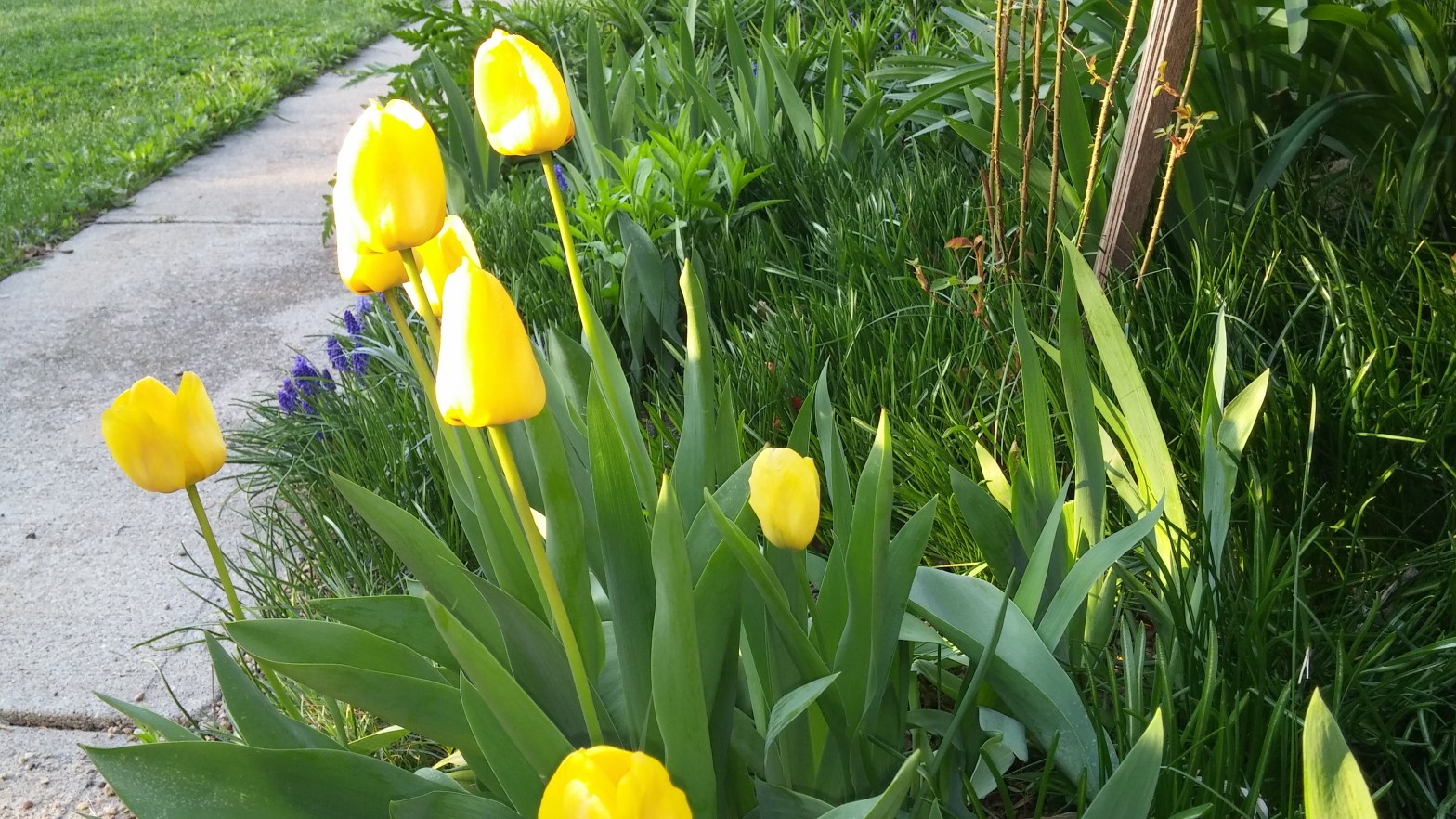
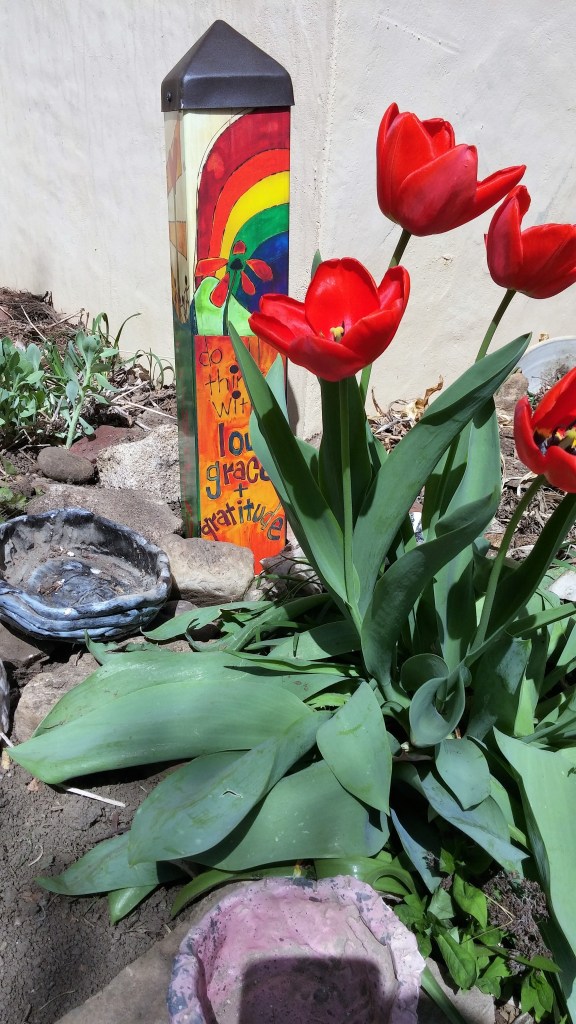
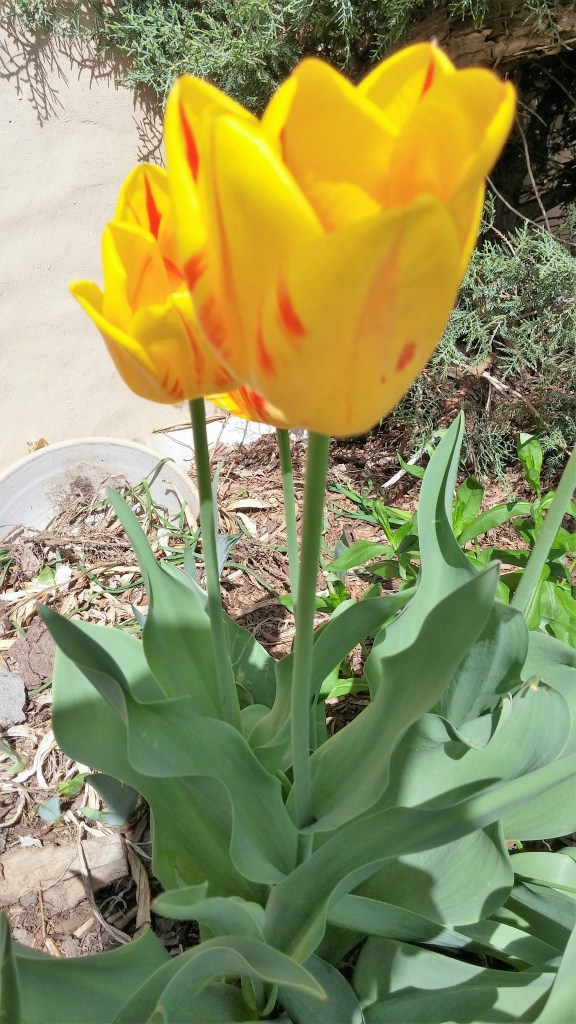
Tulips

However, I’m so excited by the uses of language to express everything from infatuation to nervous anticipation, I’m twitterpated. I’m especially fond of the word “twitterpated.” It’s rarely used in descriptions of passionate love, daily life, or politics and more often found in wordsmithing novels.

Language usage is a “thing” among my family and friends. Family remembers mentioned above have been known to spend hours debating the use of apostrophes to change a word ending with “s” to plural. Should one add an apostrophe at the end of the last letter like xxxs’ or should it be xxxs’s or xxxses? Many sources tell us more than one is acceptable. To some this may seem like a wasted opportunity to communicate about important issues. But during this pandemic when so many of us are isolated from each other, I believe it provides a venue for communication, bringing us together when we often disagree about politics, religion, and social issues.

However, there are occasions that call for other descriptors like this morning as I was preparing to leave for work, the garage door malfunctioned refusing to open with the car still in the garage, leaving me flummoxed about a solution and I won’t soil your day with the list of inappropriate swear words I uttered under my breath.

Word Choice

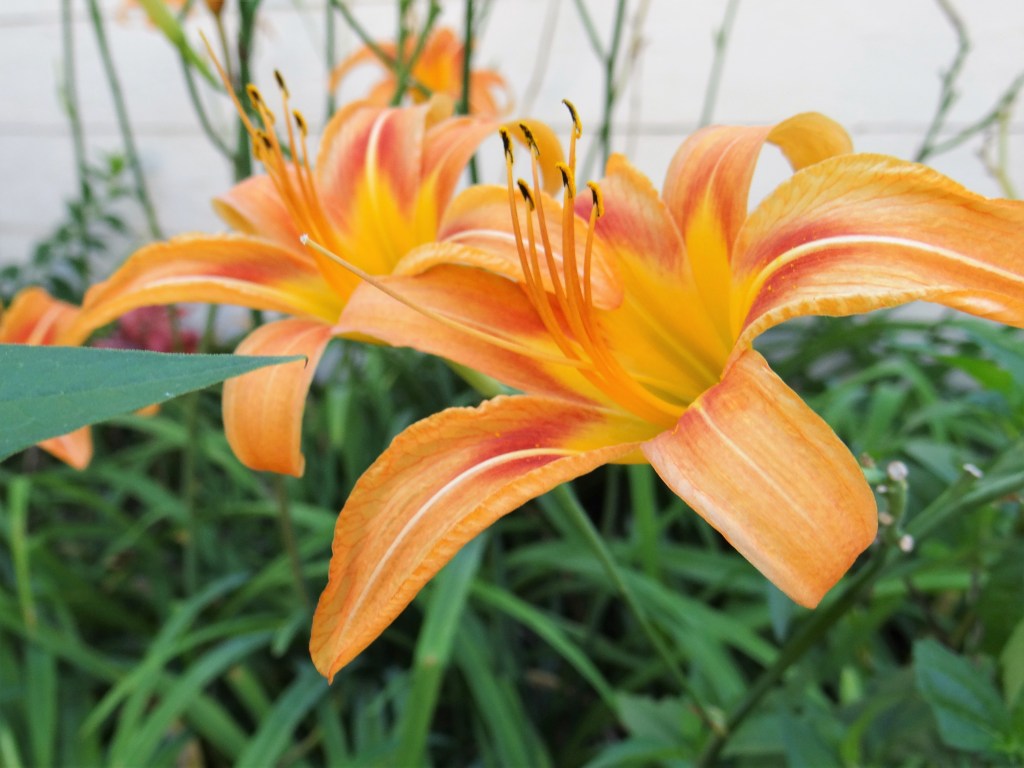
Day Lili

Regardless on one’s thoughts about the use of misused words, I’m not a fan of the nonstandard “irregardless” so often used in conversation. When someone says irregardless, it sounds like fingernails on a chalkboard to many of us. What should you or I do, ignore the misuse, casually suggest a correction, or use the word correctly, restating the issue? I believe the correct response depends on our relationship with the speaker. This brings us back to the connection between language usage and human connection. Or, we can just get used to it as irregardless has been in use for years and is recorded in dictionaries as NPR describes in this article. https://www.npr.org/2020/07/07/887649010/regardless-of-what-you-think-irregardless-is-a-word

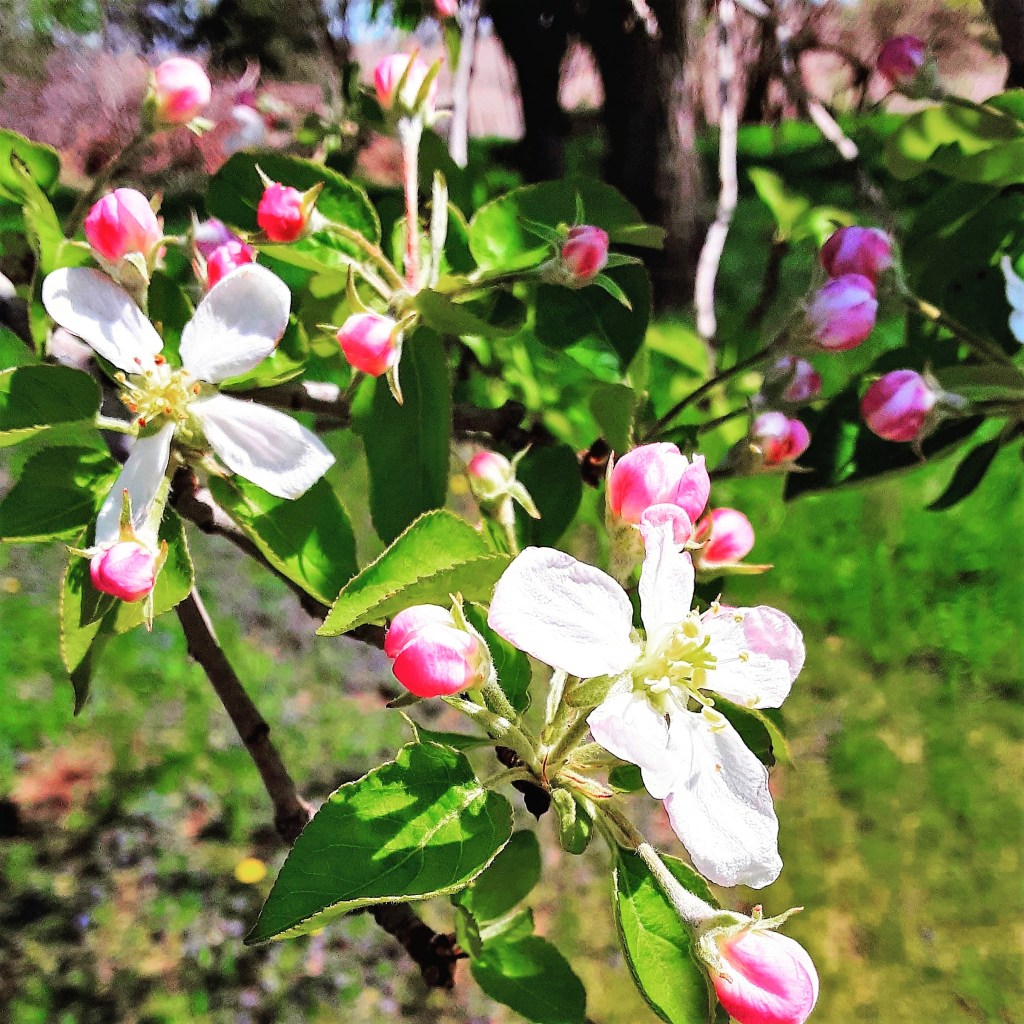
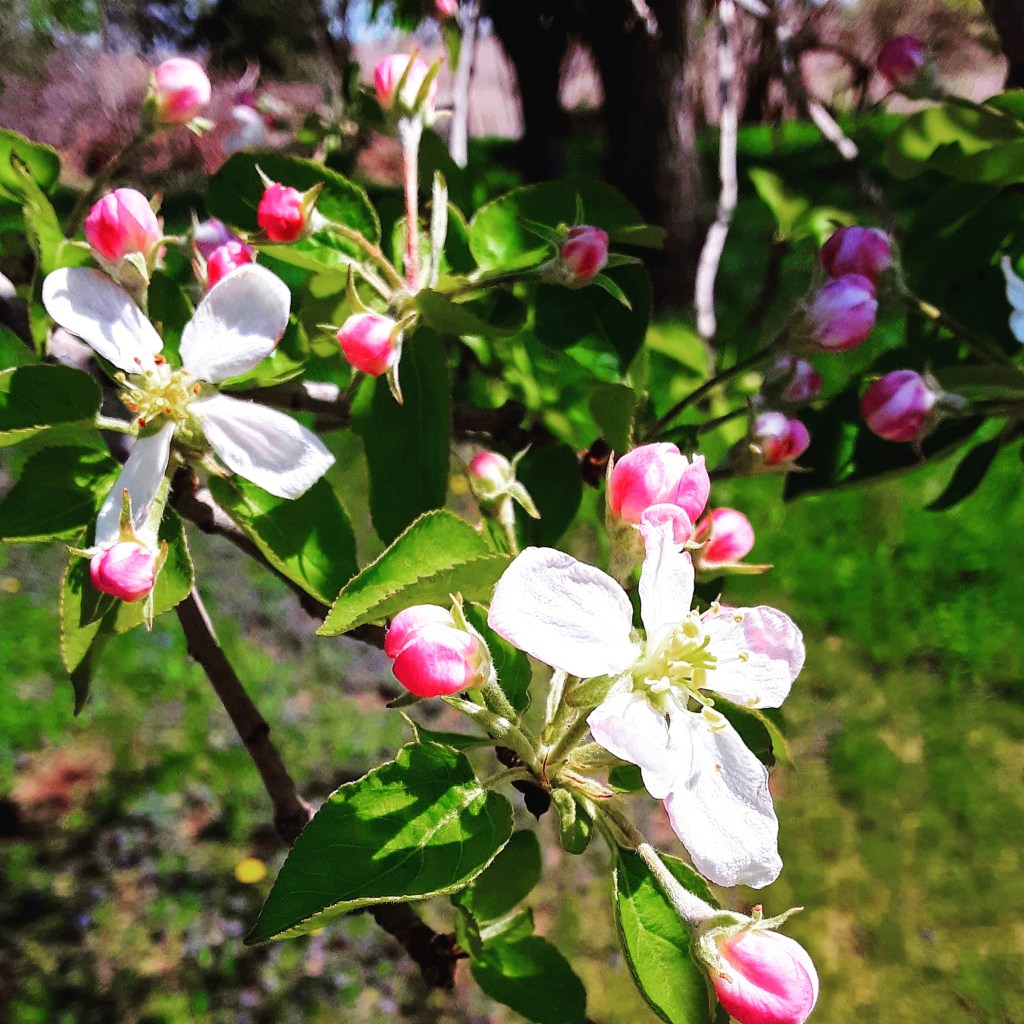
Apple blossoms

There are many languages in use around the world, and many more dialects within them. I’ll close today’s blog with my poem, Language, published by Story circle Journal. Be well and communicate in your preferred style.

LANGUAGE

Paris, city I haven’t visited, whose cathedral I didn’t see,

people I don’t know, faced their city’s waterloo

as they bade Notre Dame’s famed spire adieu.

The little French I recalled from my high school degree

and four college classes failed me, but like an emcee, 

evoked ancient cries like, oh, mom Dieu and, sacrebleu

and stumbled over the important question, parley-vous

Anglaise ? Fermer la bouche, bizarrely, stayed with me;

Madam often told our class to shut up and learn punctuation.

Mon nom est Lin, translates my moniker, as flax, or linseed

in French; being called a seed or a plant fits my behavior, 

whereas Linda, my birthname, doesn’t have a translation 

in French, but is bonito or beautiful in Spanish, indeed,

a language I should learn to talk to my neighbors.