Featured

Lessons learned in the past few years

I’ve been away from my blog for a while. I’d like to begin 2020 with a recap of the lessons I’ve learned in the past few years and ideas for the future.

Stuff that didn’t make sense in 2014

It didn’t make sense to me how the media members believed they were covering a story, but they were actually publicizing a fringe opinion. When the media exposed the actions of an extremist group/organization, they appeared to actually give them credence, especially when repeated ad nausium.

It didn’t make sense to me how polarized my country was, how relatives and neighbors could hold such opposite opinions. Even though we disagreed with many, we don’t want to shoot them like they do in other countries where people fight over politics or religion.

It didn’t make sense to me how people looked at land or location as a place to be exploited and not see the beauty of the place. It didn’t make sense to me how destroying a landscape, improves it;  e.g. why do neighbors bulldoze 100-year-old trees that protect fragile land to farm another acre more or build another grain bin.

What did make sense?

It made sense for a society to take responsibility to care for people unable to care for themselves (disabled, elderly, children and disenfranchised). It made sense to me that wealthy people should be taxed more to pay for roads, police, schools, health care, and even bombs. I often felt that I could do more than I do to help others.

It made sense to celebrate life’s events, like holding a Halloween party for friends and family whenever we are able. We may not pass by a person, group, of part of life again in just the same way – it made sense not to miss opportunities. This sentiment has grown stronger as I age.
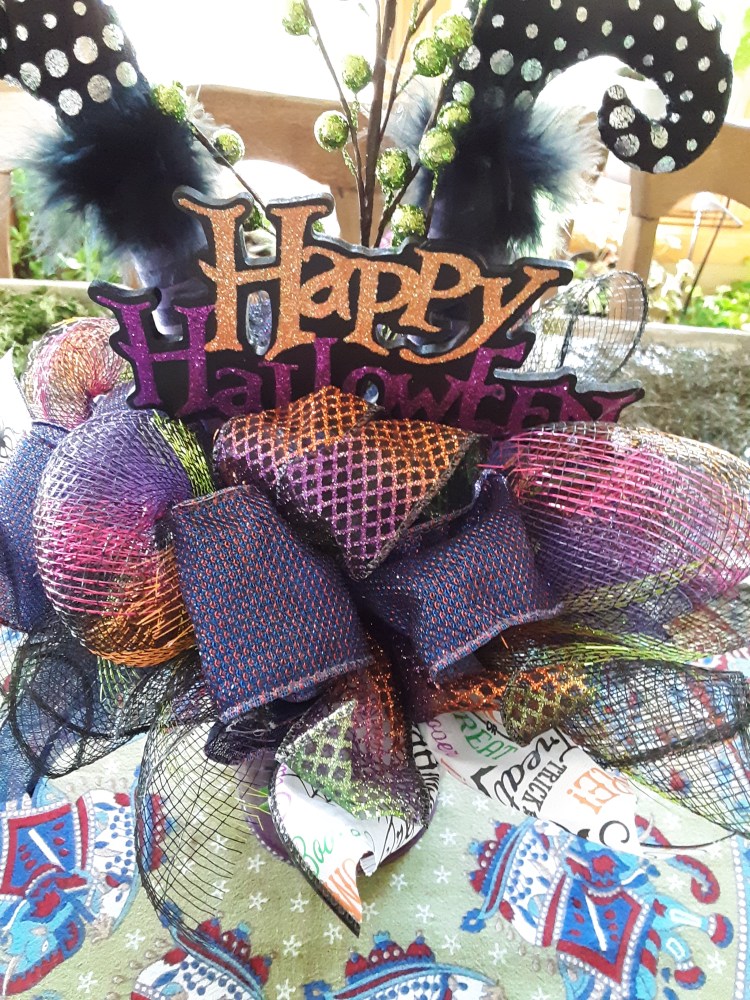
20191015_095111

What made sense in my life?

It made sense to always support my children as they figure out life.

It made sense to bury the hatchet of conflict with others and let go of past hurts. This one was and is very difficult for me. I take injuries and hurts to heart, expect apologies that won’t be coming, and find it easier to live without hurtful people in my life.

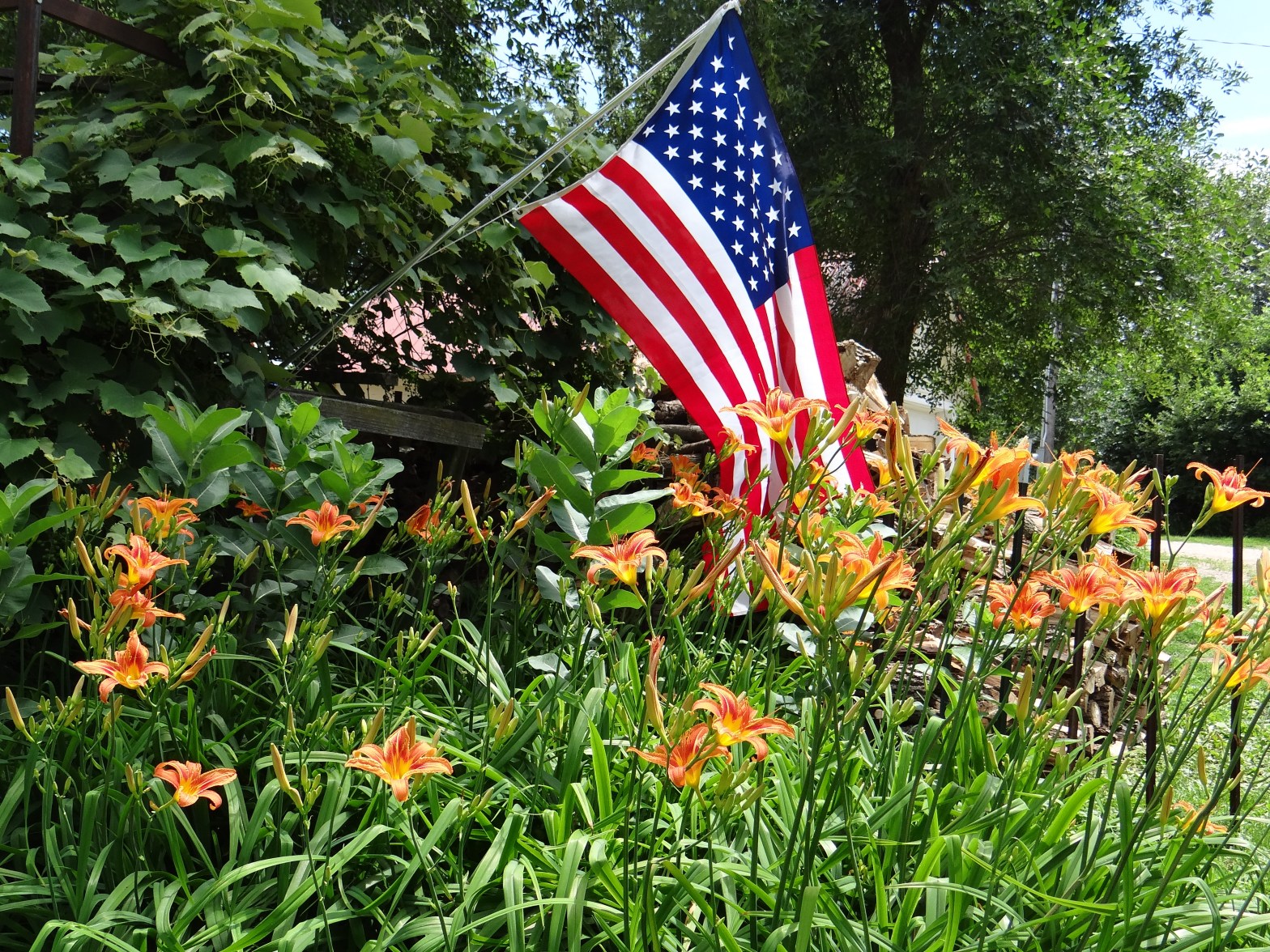
It made sense to learn to forgive so I don’t feel the agony of resentment all the time. It made sense to bury those feelings in the soil, to plant new life internally as I plant flowers and tomatoes in the spring. I’ve been given another year, another spring to work on this and I was grateful to be alive, or as a friend used to say, “every day above ground is a good one”.

Tiger lilies-3

It made sense to me to focus my daily life on things I could manage and control (like mowing the lawn when it is tall, cleaning the house when it is dirty, taking care of pets and livestock, giving my colleagues a place to vent about the very strange politics of the work-place, participating in groups that improve the little space of the world that I live in) and let alone the neighborhood’s, state’s, nation’s bigger problems.

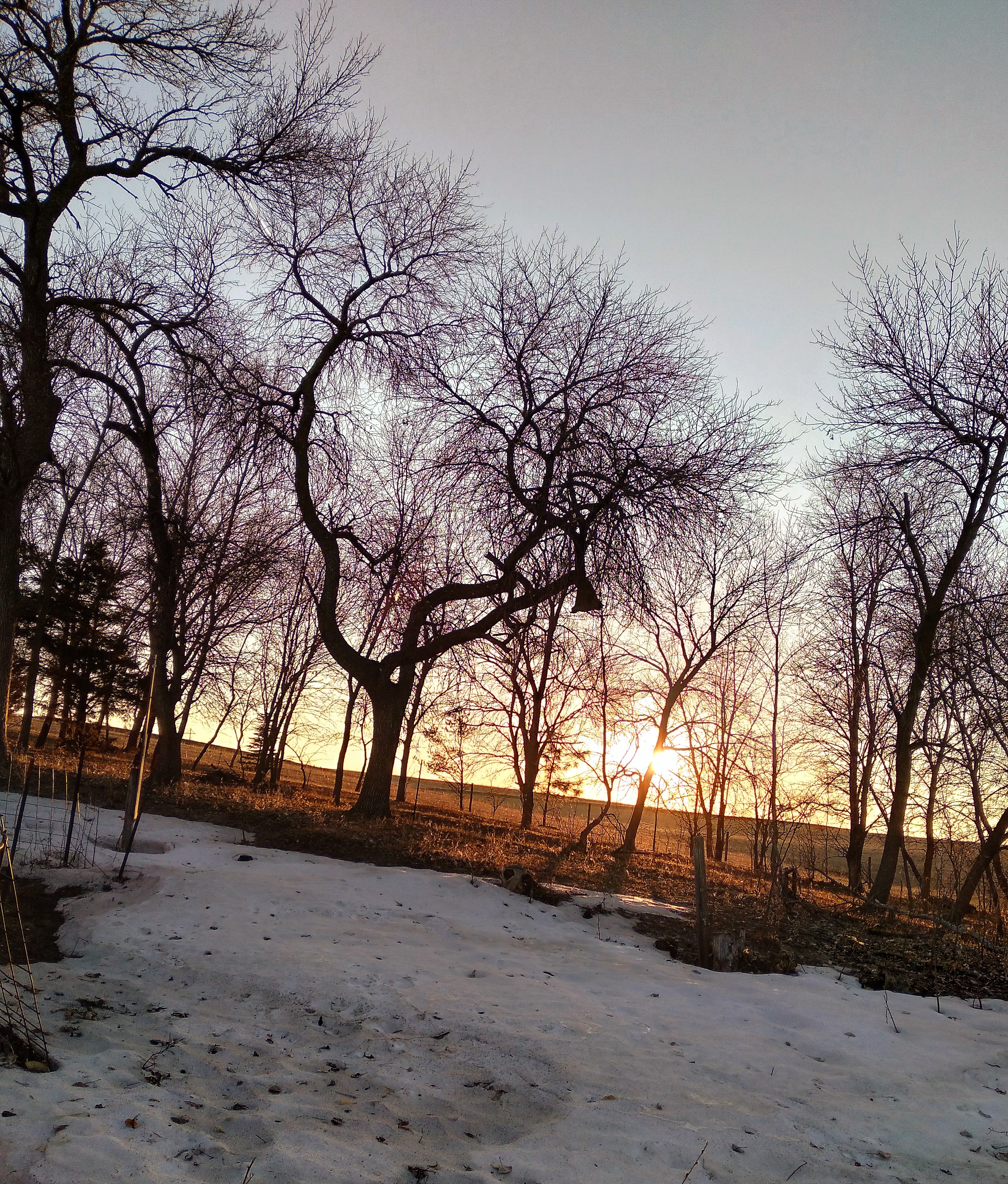
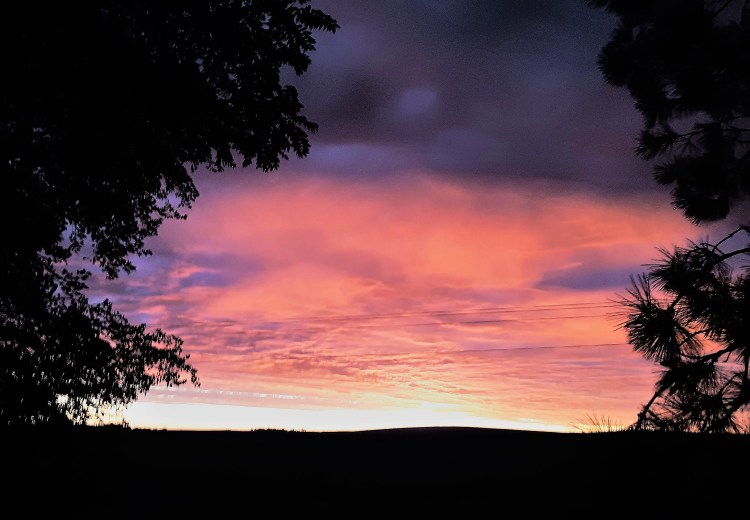
It made sense to celebrate every sunrise, appreciate every sunset, savor the taste of coffee, the luxury of time to sip a couple cups in the morning, dinner with family or friends, finding time to stop, listen to birds sing and share the bounty of my life. I felt very fortunate to be in that place at that time.
20190926_071502

What makes sense in 2020?

This is the first time I’ve considered these issues in the past six years. It seems appropriate to revisit them again as 2020 begins. I noted in 2014 that Americans may disagree but at least we don’t shoot people. I’m revising that statement based on the history of the past few years. People in this country are more polarized now than six years ago.

In recent years people have started to shoot people they don’t like; target racial groups they don’t like, and pursue whole groups of people whose politics they don’t like. People shoot other people in churches, synagogues, and mosques. People shoot children in elementary and high schools, and at colleges and universities. People shoot people in nightclubs and at concerts. People shoot people in restaurants and corner stores. I understand this exhibition of hated even less than I understand the hate that fuels it.

Perhaps I’m looking through the wrong end of a viewfinder, but I don’t understand the continued exploitation of land and water in this country as if there’s always more land out there to move to, dig up, pump water from the ground via irrigation, build wind farms on, or clutter landscapes with mechanical equipment. It makes no sense to me to encase towers in fifty-feet deep cement platforms for the next generation to worry about removing.

It also makes no sense to mine oil from Canadian tar sands and transport it via pipelines to refineries in the Gulf of Mexico to be sold on the world market. Pipelines that cross the United States and pollute our land with every pipeline break seem nonsensical to me as well as being another source of ill-gotten revenue for the one present of ultra-rich that spend fortunes lobbying politicians to make it happen.

Stuff that does make sense.

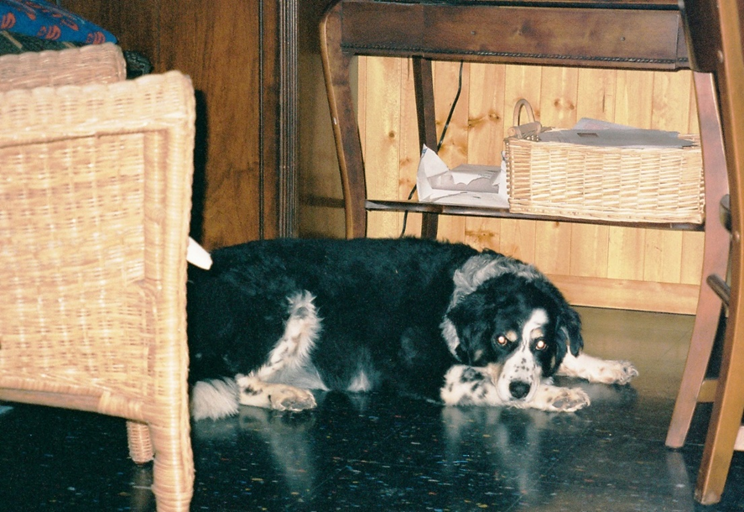
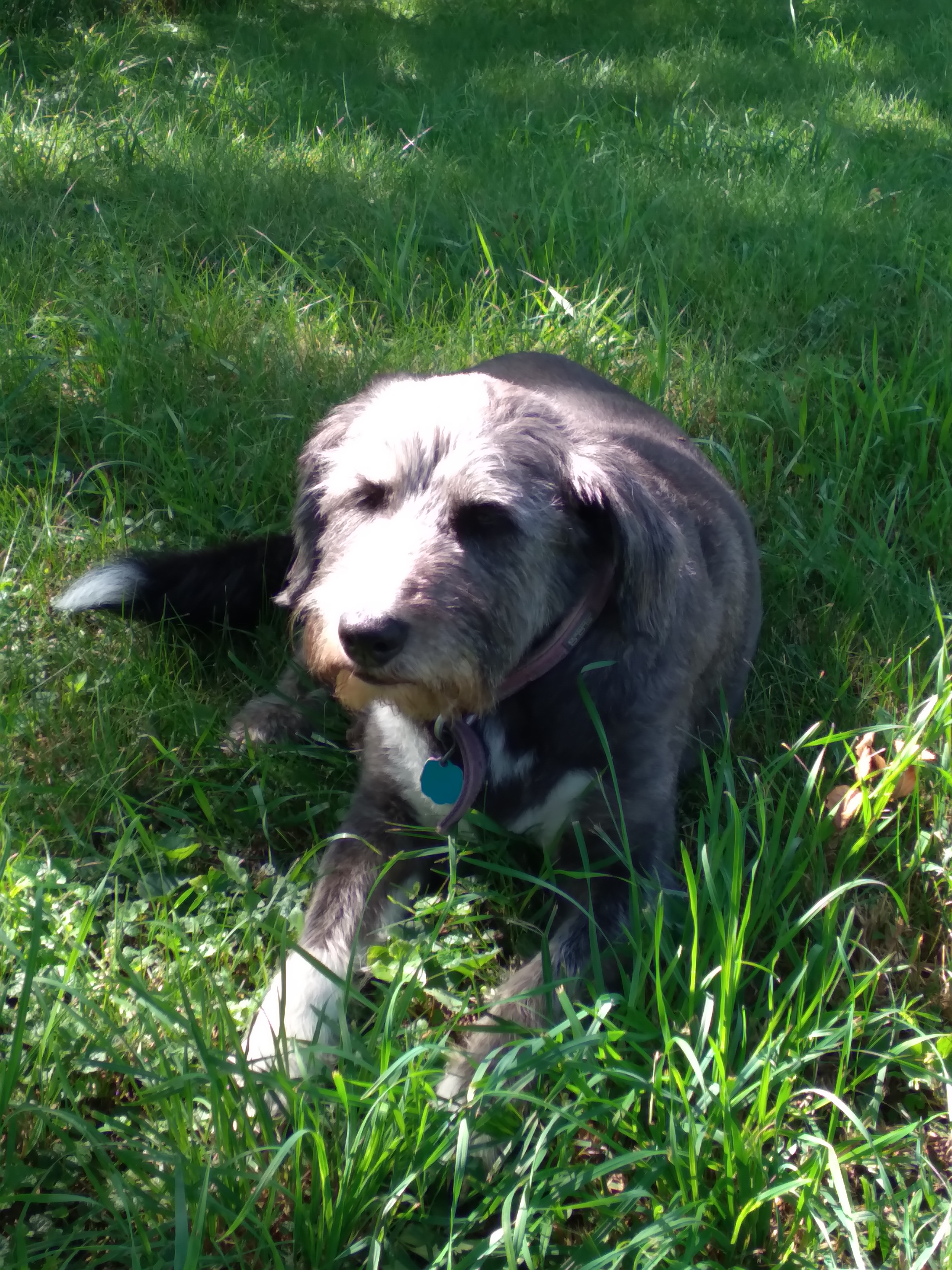
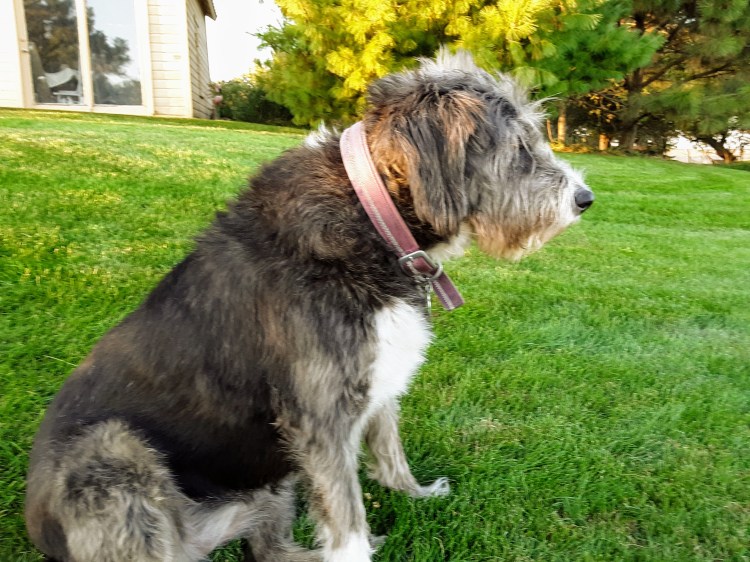
Generosity to others and kindness continue to be important qualities. It makes sense to help others when possible. It makes sense to adopt shelter pets, like my dog Pickles rather than buy from pet factories.
20191007_183325

I wish sensible actions and attitudes combined into a longer list and perhaps I need to remove my rose-colored glasses and view the world with a different lens. However, I love my country and its multiplicity of residents regardless of our political divisions. We are all more than our political opinions. Please, let’s stop shooting each other!

It also makes sense to me to record events and attitudes as I experience them. This time and place will not come again. I’m still grateful to be alive at this time. It continues to make sense to celebrate life’s gifts.  I hope the world will be a better place for future generations. If each of us demonstrates one kind gesture toward another and befriends folks rejected by others, we will have a beginning.
 

Featured

High Summer

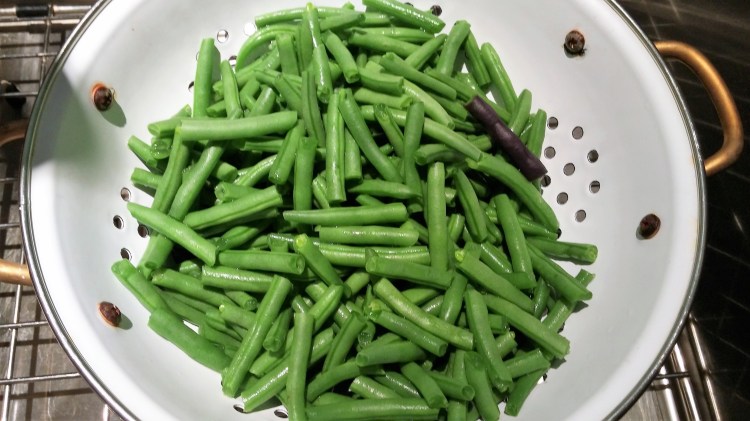
It’s late July, high summer season for garden  harvests, flowers and mosquitos.  It’s also the general timeline I gave myself to make a retirement decision.  I can busy myself picking green beans,  husking sweet corn and pruning flower beds to avoid difficult decisions.  It’s been a great year for green beans.  This is an early harvest.

20180708_160824

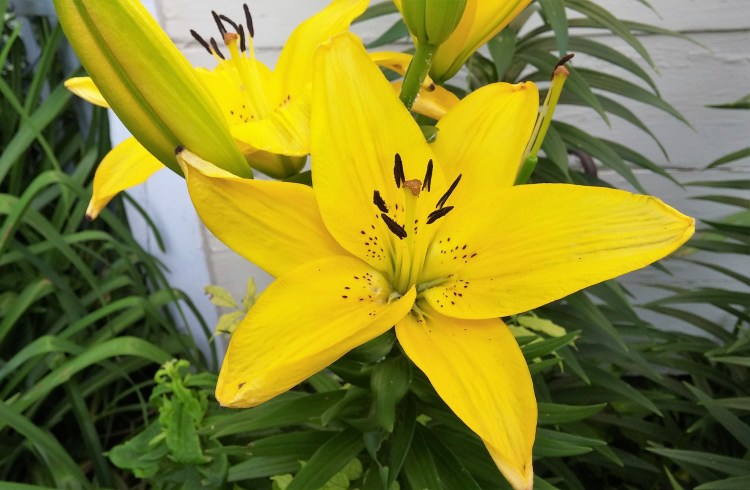
Plentiful rain results in beautiful flowers.

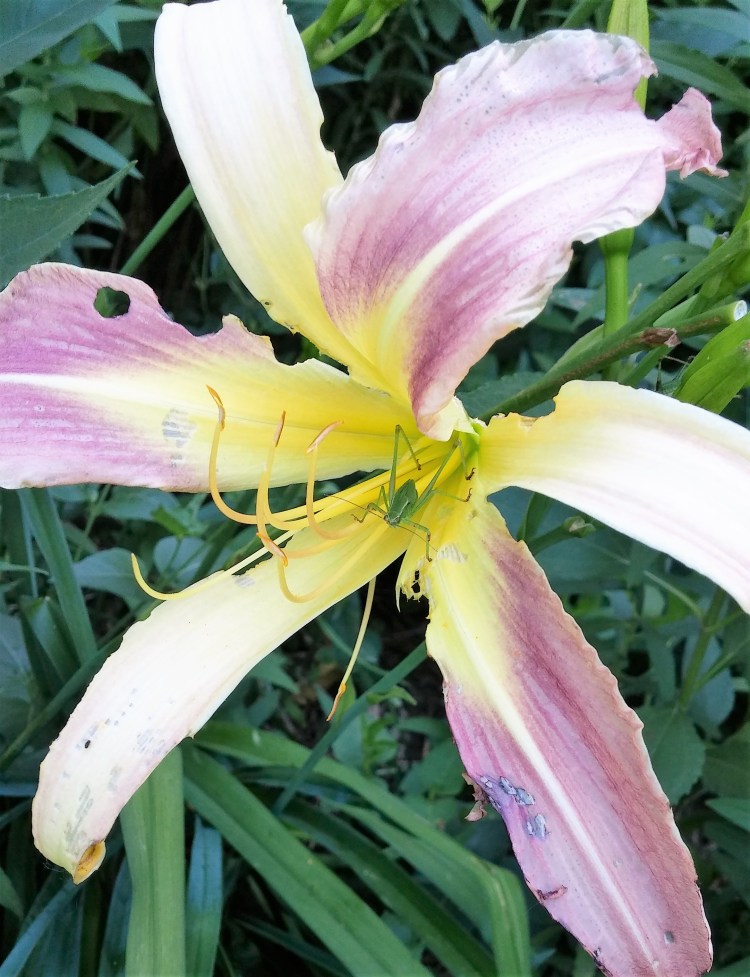
IMG_20180708_211918_073 The flowers are pretty even when shared with another of Mother Nature’s creatures.
20180708_193601

20180704_081257

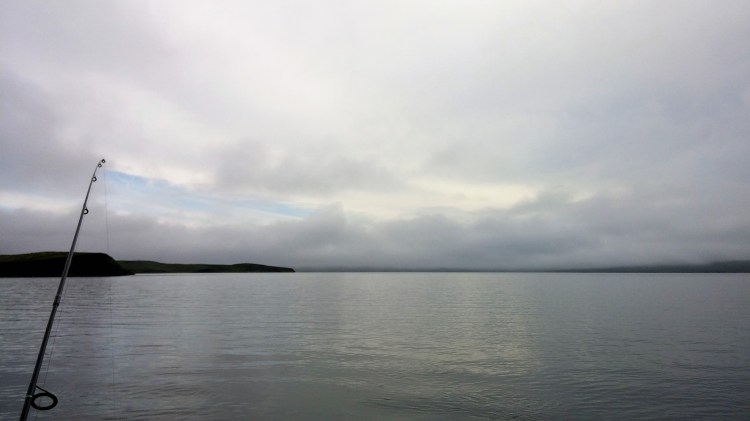
Tending to nature’s bounty is a peaceful way to consider options.  Time on the lake fishing is another kind of peace.  My pole’s in the water on a foggy morning.

Lin's fishing pole

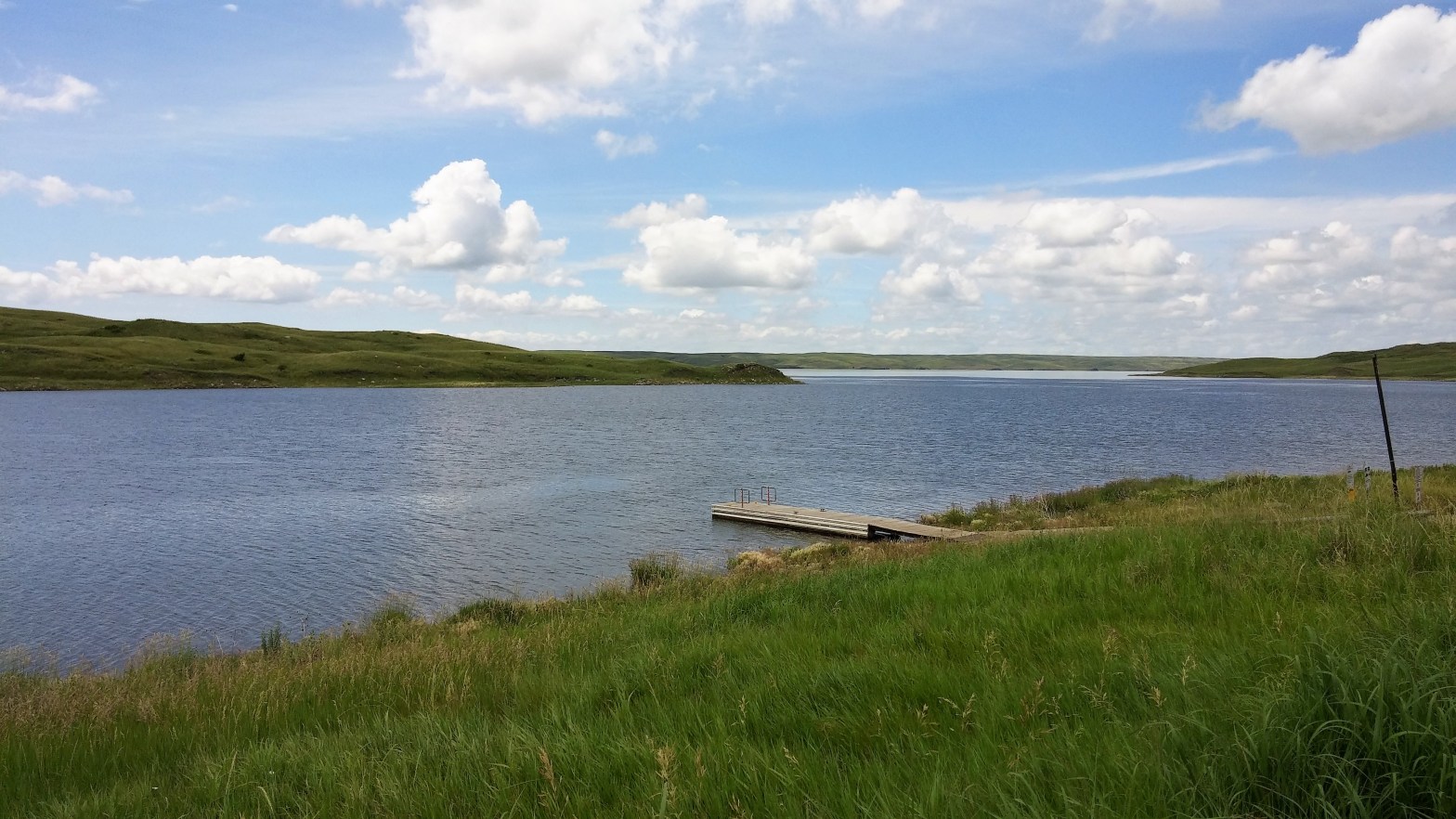
This view and the cover photo are of Lake Oahe in South Dakota. http://sdmissouririver.com/follow-the-river/the-four-lakes-and-dams/lake-oahe/

Search for Common Ground

The plane in this photo is a stock picture and not one of the planes involved in 911.

911

Sixty Minutes’ story about 911 took me back to that tragic day. Sixty Minutes reported that remains are still being identified in 2025. With new technology, more remains will continue to be identified. Once DNA is confirmed, family members are being notified.  Unfortunately, many people’s remains are still unidentified.

I was director of a state college counseling center on my way to a student services meeting on 911. On September first in 2001 our college was in its second week of the fall semester. I had just heard a radio story about a plane hitting the World Trade Center. After the first plane hit, reporters told a story of a horrible accident. 

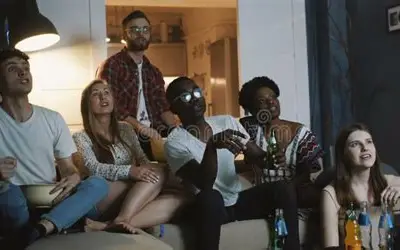
On my way to the meeting, I noticed a group of students in a student lounge staring at a television. I stopped to ask if everyone was okay. At that moment we watched the live action together, in horror, as the second plane struck the second tower. The towers started to collapse. News reports showed innocent people screaming for help and jumping from windows.

This is a stock photo and does not represent college students that I know and/or knew.

Networks went into twenty-four-hour coverage cancelling all other programming. News reporters began to talk about terrorism. Every channel vied to be the one people watched with increasingly graphic descriptions.

Thousands of emergency responders answered the call to help 911 victims. We were all patriots together. I proudly flew my American flag.

There had been no attacks on American soil in many lifetimes. We had difficulty taking it in. How was it possible that a foreign power had penetrated United States’ perimeters?  Then a third plane hit the Pentagon in Washington, DC. A fourth plane bound for our capital city was brought down by the hero passengers who did not want their plane, number four, to claim more innocent victims. Frantic messages went from the passengers of plane four to their families explaining their fate before they crashed in the countryside, killing terrorists and civilians alike.

Students, staff, and faculty were all shocked. We checked in with family and friends who were known to be in New York and Washington. My colleague volunteered with the Red Cross and went from Nebraska to New York to help family of the victims. I remained at work and along with other counselors, met with upset students, and talked with others who had connections to those lost when the Twin Towers fell and the Pentagon was hit.

Relatively early in the day, I directed staff to turn off the radio with its nonstop news reports and allow students to come to the counseling office as a quiet place to process their reactions. The day was such a difficult one. International students who had no connection with terrorism still worried that the community would blame them since they came from abroad.

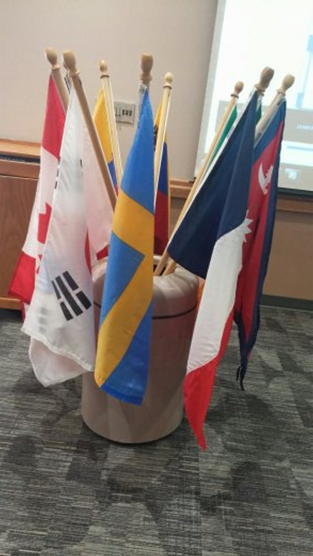
These are some of the countries represented on our campus at that time.

We came together as a nation after 911. Although citizens are divided today, thanks to social media’s negative influence and political differences. I believe we can come together again. This time without a national tragedy or terrorist attack for motivation.

Take Action

Let’s begin with civil conversation about our commonalities over a cup of coffee/tea or cocoa. Each of us can make small gestures that can change our perspectives. Open a door for someone carrying groceries, take a meal to an elderly person, pay for someone behind you in a coffee shop drive through, volunteer time helping in a Library, to name a few. Begin today.

The Thin Line

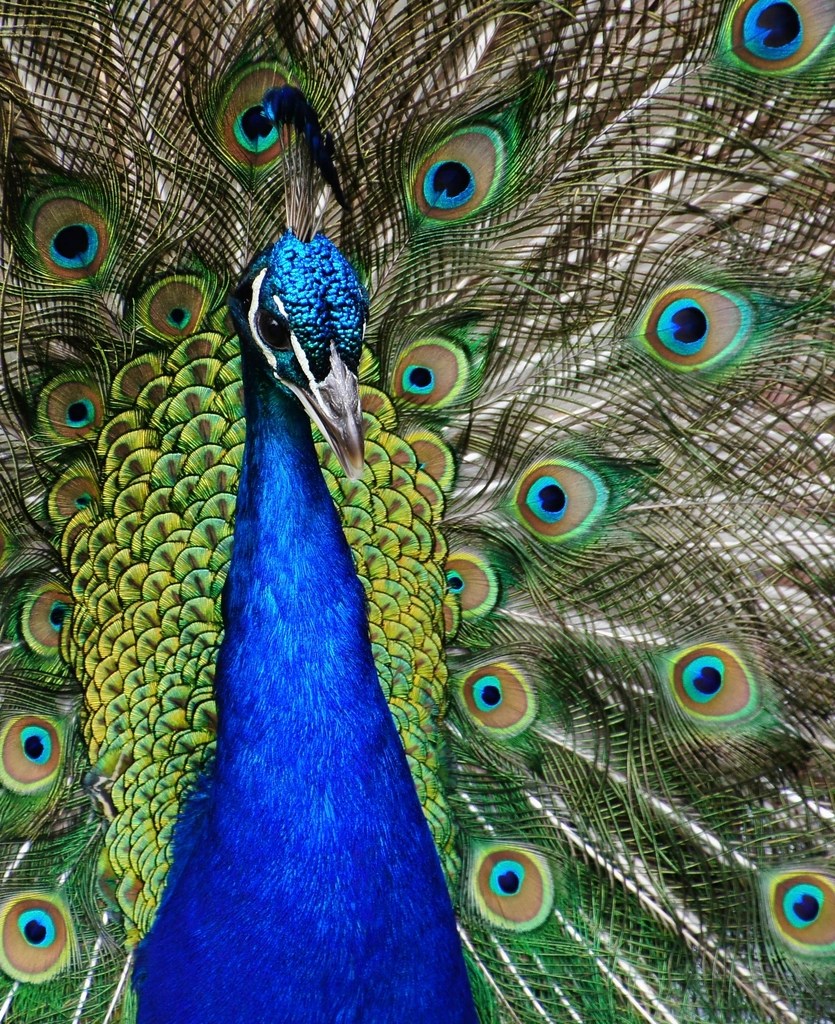
There is a thin line between excitement and anxiety. Excitement is a many-splendored peacock fluttering in one’s heart. This gorgeous bird is lime, gold and mauve with a deep blue elegant head set on a slender neck. He fans his long, turquoise-studded tail feathers and chirps happily about the adventure ahead.

Online image

The

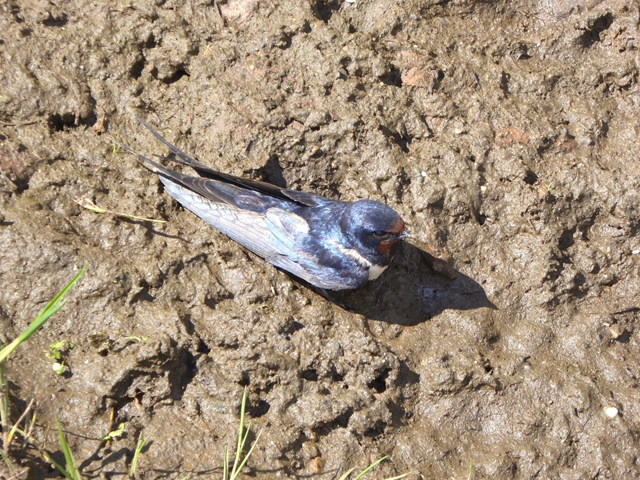
Without warning, the excited feeling turns into anxiety. It is a tiny grey swallow flapping her wings desperately, trying to come unstuck from a still-warm chimney after a wood stove fire. Her feathers saturated with ashes, eyes seared from the heat, blind her. She cannot see where to go and injures herself trying to escape. When the tiny avian finally falls to the ground, one wing still works, the other is broken.

Swallow at Steel Hall by Oliver Dixon is licensed under CC-BY-SA 2.0

I traveled abroad during spring break for many years with a dear friend. We made fifteen spring break trips together, visited three continents, six countries, three Caribbean islands, and a half dozen states, until cancer took her four years ago.

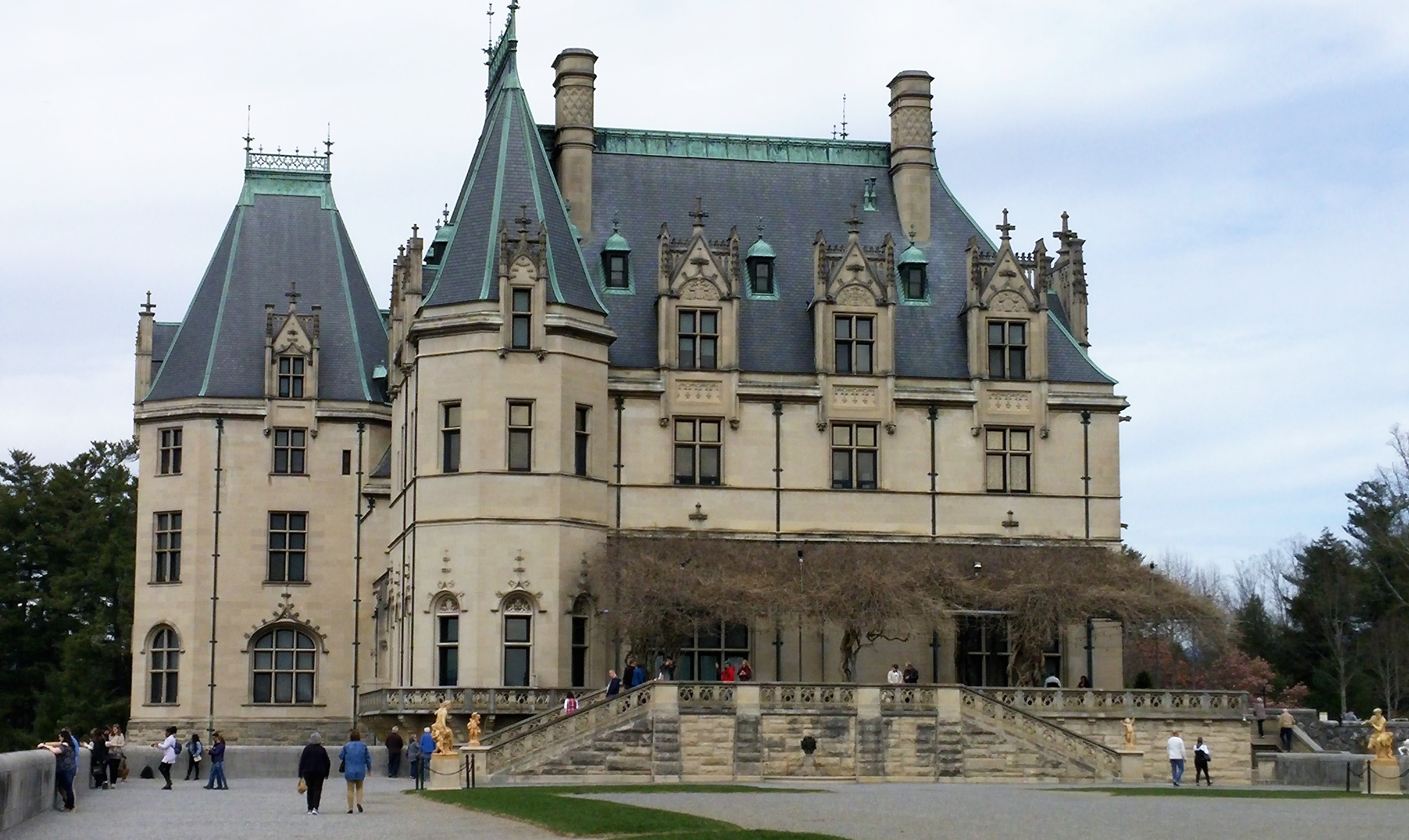
On one trip we visited the Biltmore Estate in North Carolina.

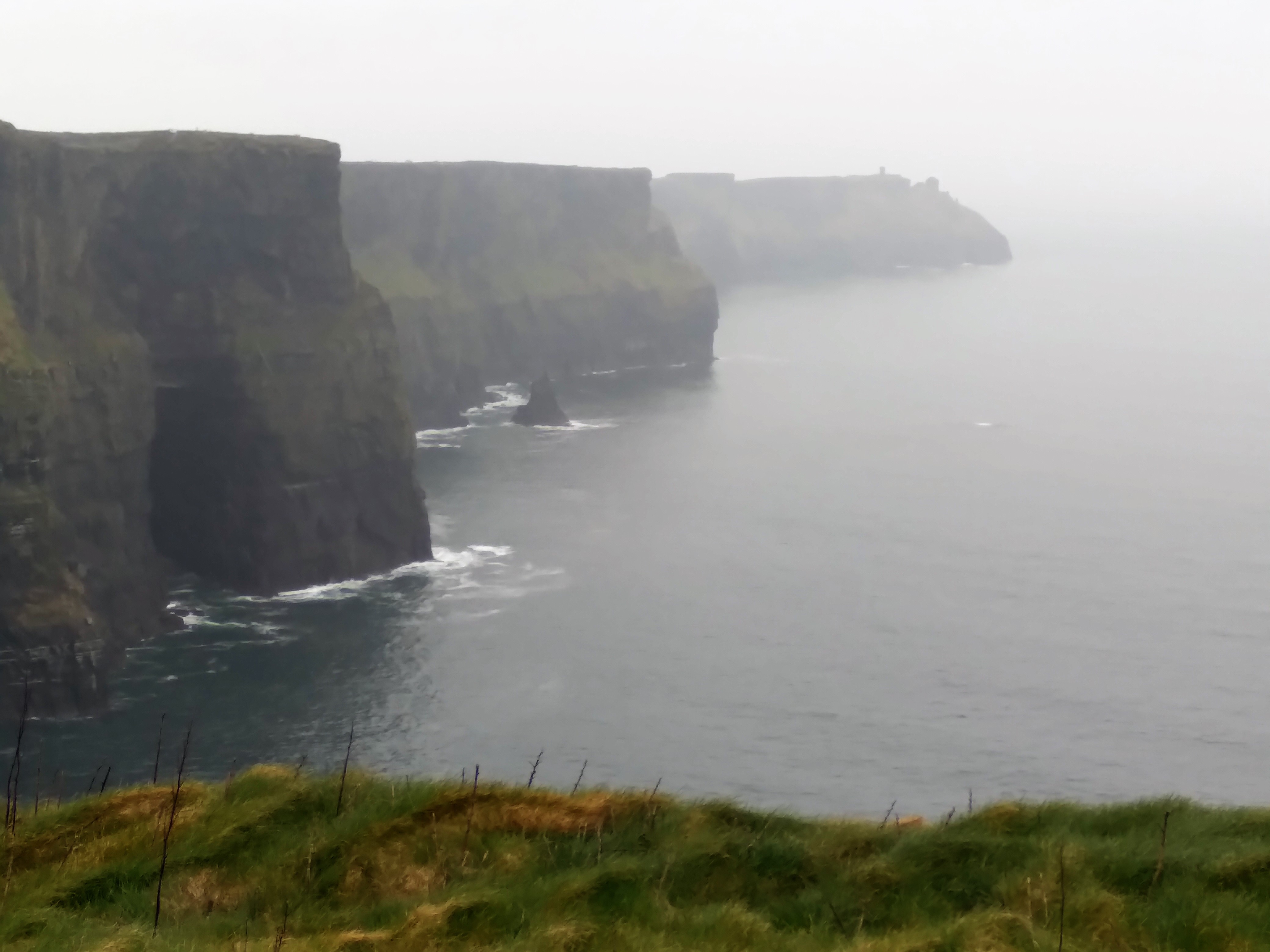
I ventured out three years ago to Ireland in her honor with our mutual travel friends. We visited the Cliffs of Moher on a rainy day.

Photo by Lin Brummels

I deliberately plan to travel to Europe this spring, but this time as part of a group with a travel agent overseeing all the plans. This hands-off approach is supposed to be easy, but I feel more anxiety this time around than ever before. The world feels chaotic and unpredictable. It is tough to give up control of where to go and how long to stay, even if that sense of control is mostly imaginary.

Do any of us really have any control over events in our lives? Since I made these plans, one friend died in his sleep, and another is nearing the end of his battle with cancer.

I have a case of hives with no apparent physical cause but it’s probably the start of a head cold. My conclusion is that stress is a contributing factor. Writing this blog entry is an attempt to get stress and anxiety out of my head. Oddly enough, I’m not worried about home. Although I will miss them, I know my family will take care of the place and the animals.

Be Well and Be Kind

When a potential client calls for an appointment with an urgent request to be seen immediately, I will try to accommodate the request. The individual called on Monday. I set up an appointment for Thursday of the same week and came in early to meet with the person. They did not show up or make any effort to cancel or explain. From a mental health counselor’s perspective, I wonder what happened. Was the person scared to tell their story, did they find help sooner from another provider, or did they simply feel better after making the appointment?

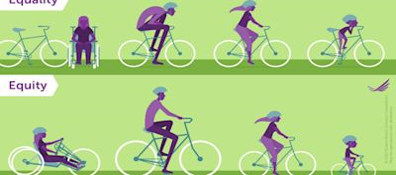
When I worked for a state employer, there was always some paperwork or committee work to attend to. Now as a private practitioner, I try to remember that health equity does not mean all things are equal, and we must adapt our services to the needs of the clients as represented by the bicycle graphic. My no-show client may have figured out how to ride.

The open appointment time gave me an opportunity to reflect on 2024. Weather extremes besieged thousands across the country all year from western wildfires to epic floods, to tornados, to hurricanes. There were weeks of smoky air here from wildfires burning out of control hundreds of miles away. The smoke kept people inside on otherwise lovely days. By Halloween, as we approached a presidential election, people were collectively witchy. Every side of the political spectrum bought partisan ads, and their followers prayed for their side to win. Being bombarded by constant advertising contributed to people’s hyper witchy verbalizing.

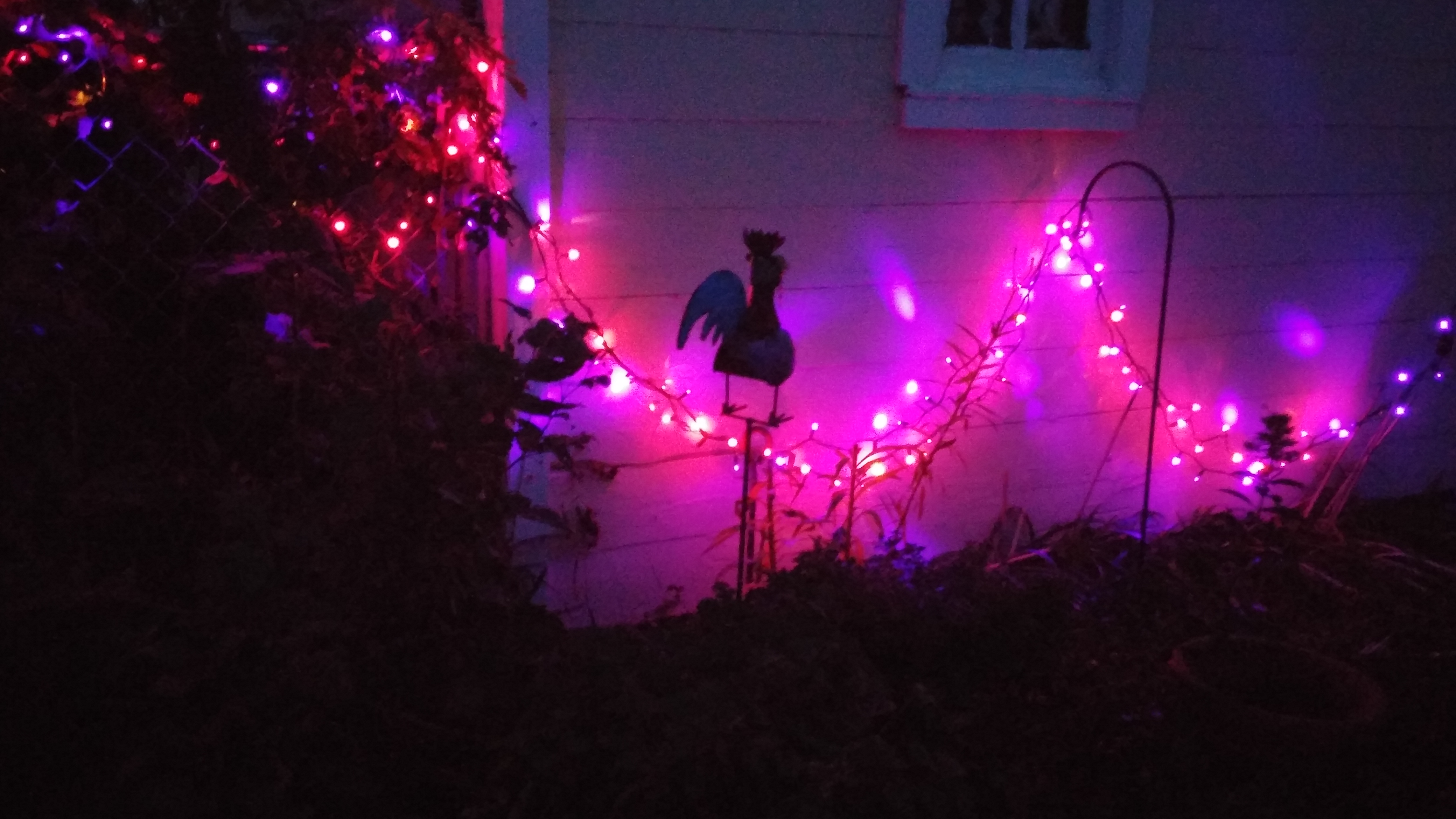
I hung some festive lights and a few of us met for dinner on Halloween night, dressed as our favorite characters, to get away from it all for an evening.

NightShot ProcInfo Gain=54,N_M=5,OBC=4,Y=2,C=1,Sharp=800,LuxMode=2,FaceNum=0 FocusArea=001000000

Talking heads, AKA, media, stirred the pot daily to capture readers. Political bots created stories that reflected their point of view. These fabrications were often created by other countries to sway the US election and were so sophisticated it was difficult to know what was real.

The election came and went. Half the country rejoiced, and the other half was plunged into sorrow. Much of the new administration’s script is still unwritten. Everyone was relieved the political ads ceased. Mental health providers like me work with folks regardless of political beliefs.

Holiday Season

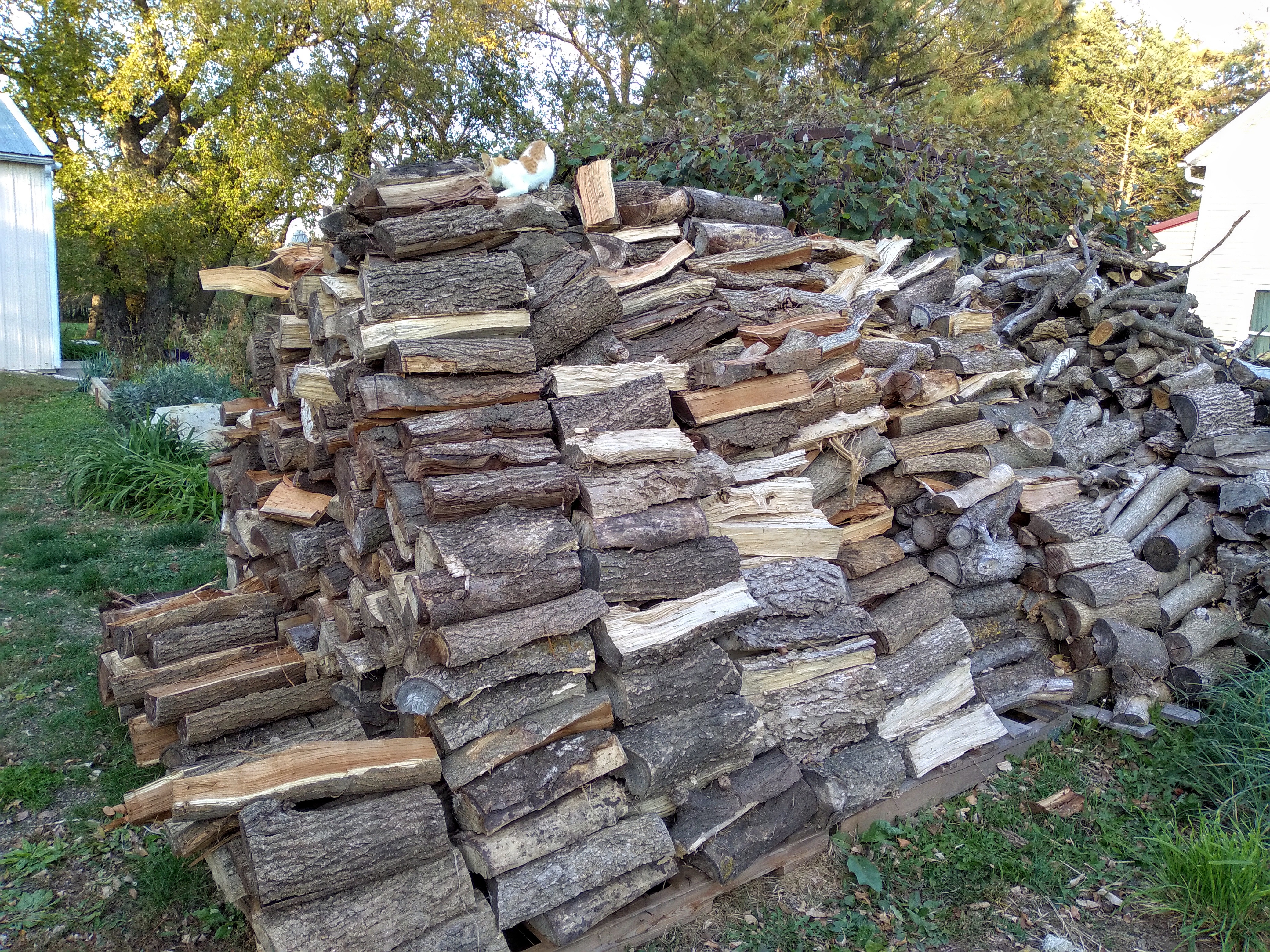
Thanksgiving was low-key for my family. Because of food prohibitions and allergies, we skipped the turkey extravaganza. I hosted a baked potato bar with an assortment of toppings. Preparation was easier and everyone found some part of it they could safely eat. Two inches of snow blanked the ground. We stated what we are thankful for.  I continue to be thankful for my family, a roof over my head, food in the fridge, and firewood piled for the woodstove.

Just past Pearl Harbor Day, the snow melted during a warm spell, and I decorated for Christmas. The 25th is also the beginning of Hanukkah this year, follow by Kwanzaa and Boxing Day on the 26th. There are so many wars across the world today leaving people homeless and hungry. Cease fires treaties are possible sometimes. In a perfect world all the faith communities would come together, urge their adherents to provide homes for the homeless, food for the hungry, and pray for peace. Recognizing that the world is far from the perfect I dream, I continue to believe if we call on our collective beliefs to do what we can, we can begin to address those problems together.

“You may say I’m a dreamer but I’m not the only one. I hope someday you’ll join us, and the world will be as one.” John Lennon

Perspective

I’m told I see the world through rose-tinted glasses. My beliefs are grounded in my counselor education and life as a parent. The adage, do unto others as you would have them do unto you, is intended to be used in a positive manner, not to justify killing each other or slaughtering entire populations.

Theory

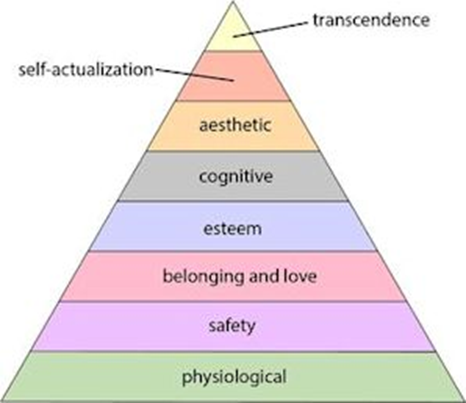
Abraham Maslow was a developmental psychologist much studied by psychologists and counselors, as I did in my graduate counseling program years ago. There are contemporary theorists advocating different and some say updated views since then, but I see Maslow’s work as foundational. Maslow’s Hierarchy of Needs calls for food and shelter first before people can address mental health wellness he referred to as self-actualization and transcendence.

Be well and be kind to each other though out this holiday season and beyond!

War Veteran

This family story is a tale I heard in bits and pieces when I was growing up. Only the people themselves know the truth of any of it. They have all passed on. In this version of the story my father John, not his real name, was born in 1917 and grew up on a small farm. He had two brothers and two sisters. One older brother died about age five from a burst appendix. The other siblings grew to adulthood, married and had families. None of them served in the military.

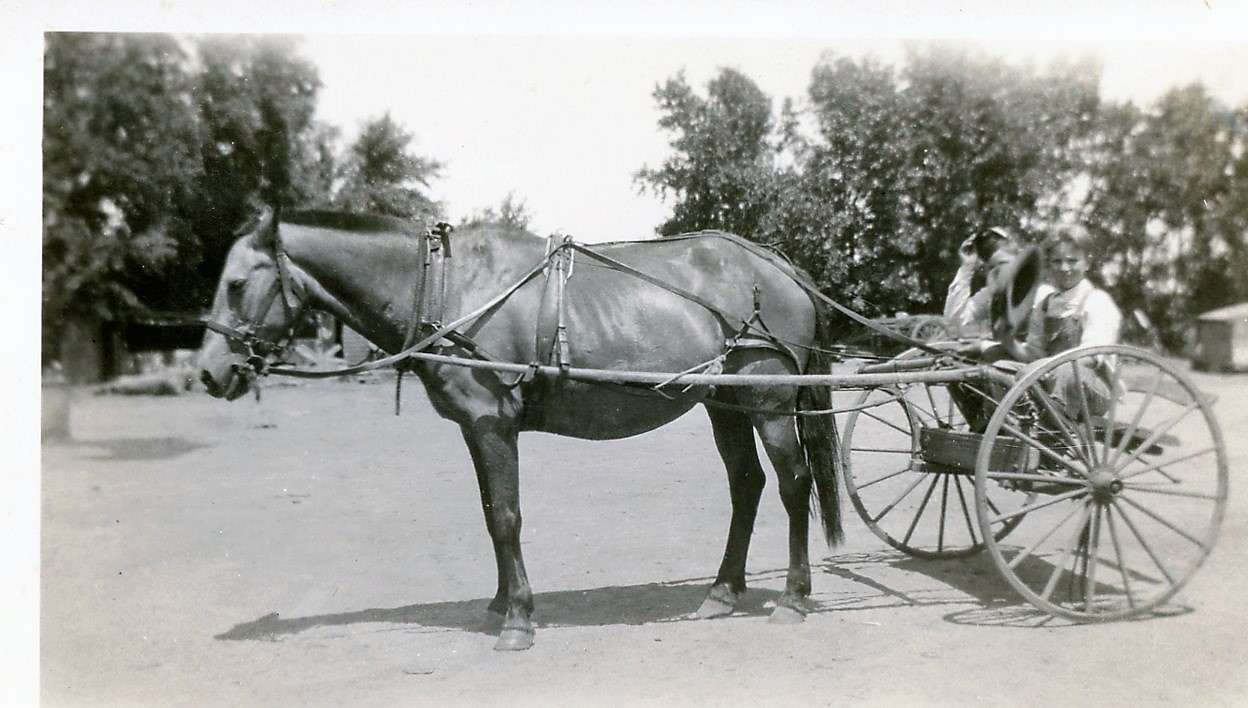
Dad loved horses as a kid. The family farmed with horses. He and his other brother drive their horse and buckboard in this photo.

His father Noel never had luck as a farmer or was not much of a farmer. The description varied depending on the storyteller. It was agreed that their farmland was sandy and produced poor crops. John’s mother, Mae, was a seamstress and took in sewing for other people to earn money to help support the family. John lived at home until he graduated from high school.

He fell in love

Dad and this unnamed girl went to high school together. He shared his feelings with her, but she jilted him. Brokenhearted, he moved to Idaho for a fresh start, took a job as a ranch hand and fell in love again, this time with the rancher’s daughter. This gal jilted John too.

Pearl Harbor was attacked. The U.S. entered WWII. John came home and joined the Army. These events occurred more or less in that order and were undoubtedly more complex behind the scenes, but let’s leave the details of events leading up to the attack on Pearl Harbor to historians.

After basic training, John traveled back to see his folks, and met Dot at a church picnic. He asked her if she wanted to write to him while he was away. she agreed.

Service

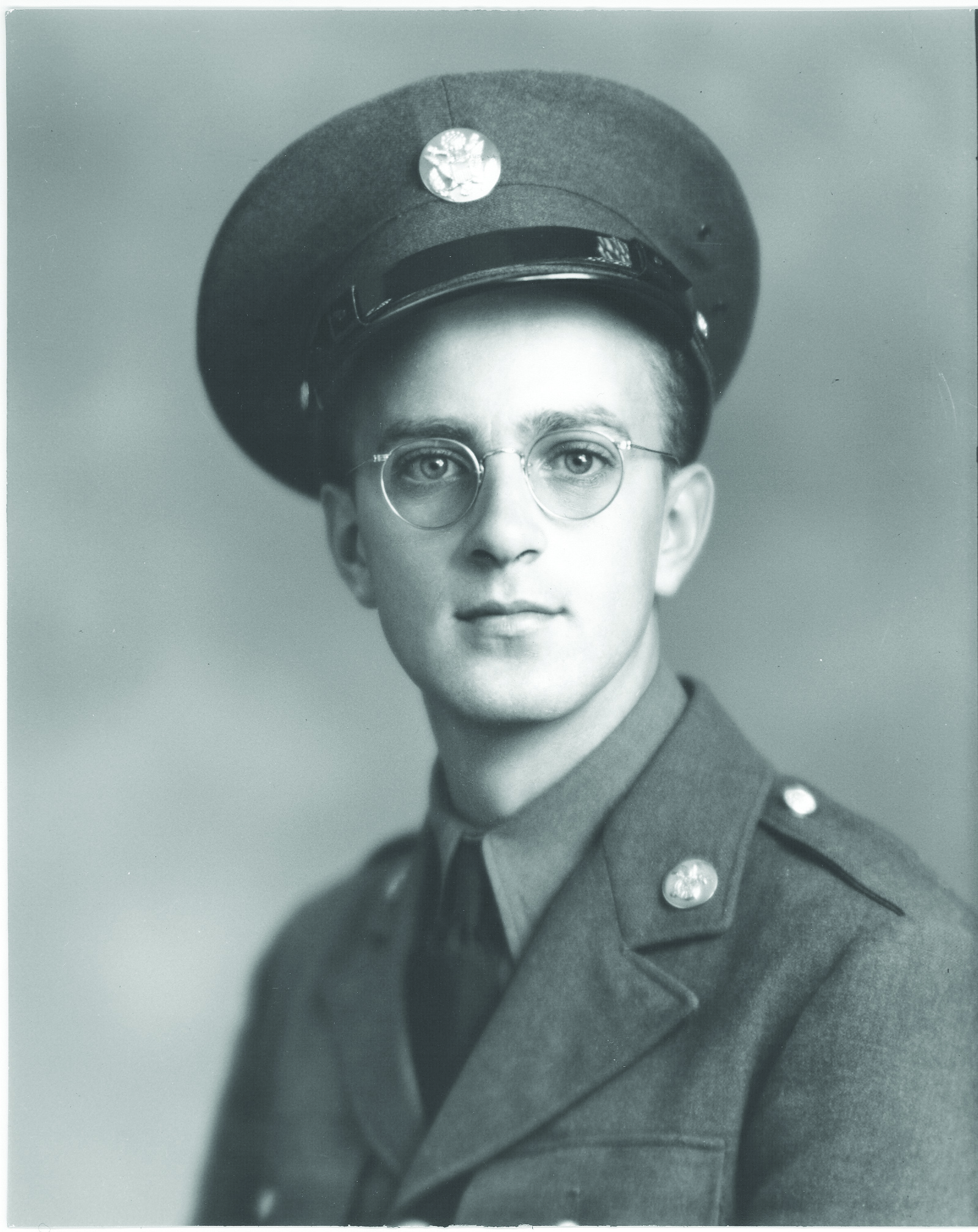
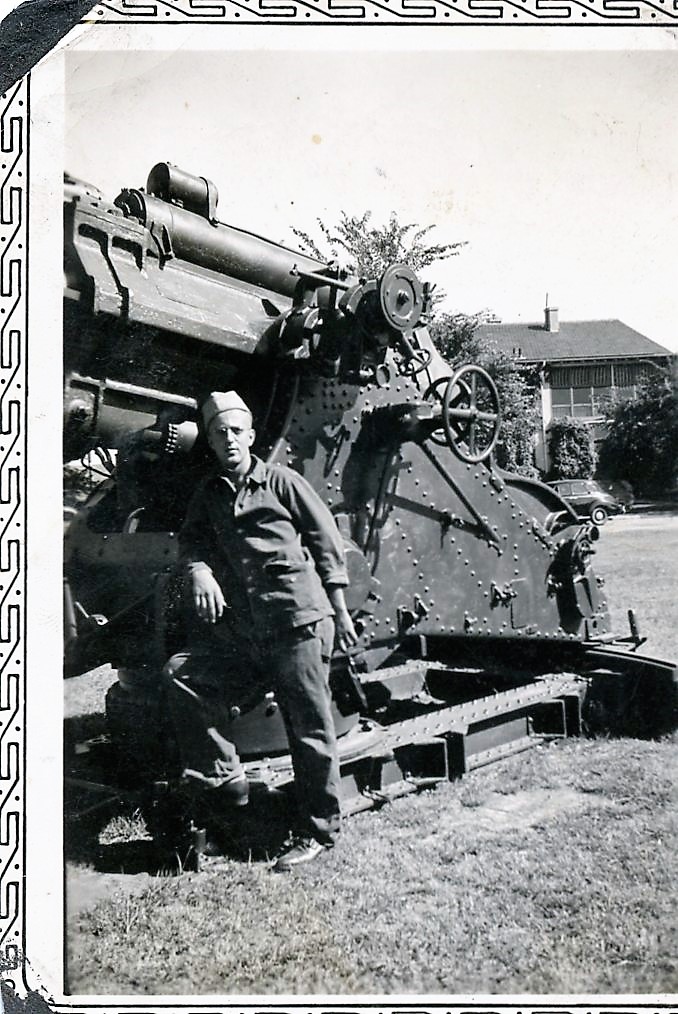
John served in the military from 1941 to1945. John was stationed in the states during the first two years, then shipped out to India for the duration. John contracted malaria while in India. The aftermath of the disease haunted him for years after the war.

He sent money home to his parents from his Army pay and asked them to save it for him. He planned to buy a farm when he returned.

My grandparents Noel and Mae faced financial tough times before and during the war years. Their bank repossessed their farm. They moved across the county to another place near a rural cemetery. Noel became a grave digger to augment his farm income. His mother spent John’s money to make ends meet, aiming to pay it back but never did. John’s dream of owning a farm died in the war.

Courtship

The only thing that panned out for Dad was a blossoming relationship with Dot through letters back and forth. While some veterans flew home after peace treaties were signed, John and his pals returned by ship later in the fall. John and Dot met in Omaha when he returned, found a justice of the peace to marry them in November 1945.

Family

John and Dot had five children. I am the middle child between brothers, two older and two younger. The folks farmed their entire life on rented land, sharing crops with landlords. Three of my brothers joined the military and served in branches that supported those in combat.

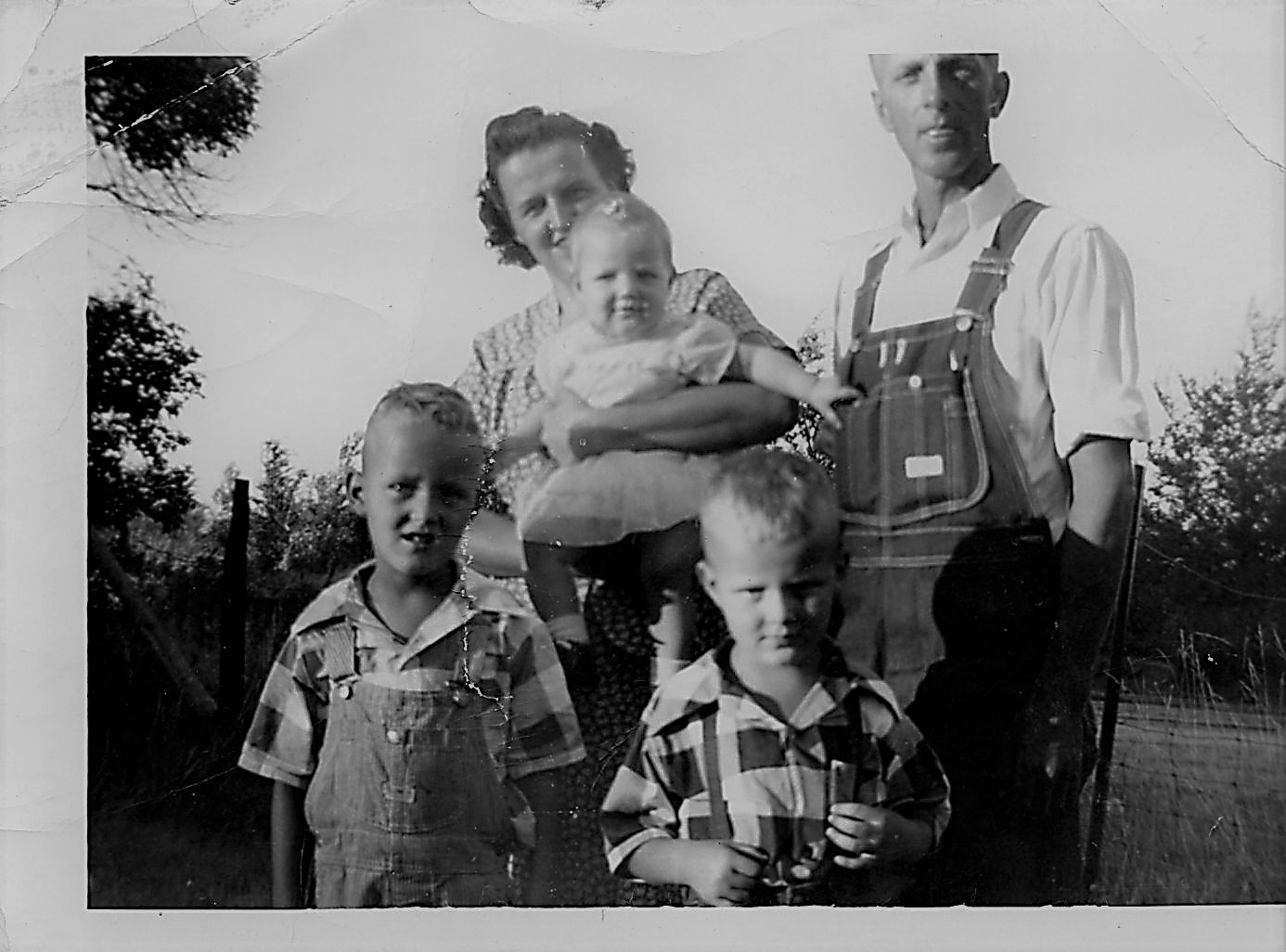
My parents with the three oldest children. I’m the baby in this photo.

Smoke and Haze

Smoke from the wildfires burning right now in Canada has been affecting the skies, as you can see outside. And if you’ve been outside, you can sure taste it.” 

            Joe Manchin III, West Virginia Democrat

Smoke and haze drift south from Canadian wildfires that continue to burn out of control.

Air Quality Alert

Smoke from countless fires in Canada has been drifting across Nebraska for the past four days. The resulting haze is keeping temperatures lower, but the smoke makes it difficult to breathe comfortably. I am running the air conditioner in my part of Nebraska to filter the air and remove humidity, more than due to excessive heat like the south is experiencing. I ventured out late Saturday afternoon to mow the lawn and Sunday to socialize with friends. As a result, I have a scratchy throat and can taste the smoke well into each day.

Friday and Saturday were smokey. I woke Sunday morning to an even thicker haze. There was no sunrise, just a gradual brightening in the east letting me know it’s a new day. The air quality alert continues. Monday morning’s air still holds smoke but promises rain.

Thunderstorms are forecasted for the next two days. It is hopeful they will wash the smoke from the air. Meteorologists predict the smoke will move into an upper air pocket, clearing the ground level. Meanwhile, fire fighters continue to do battle with raging fires.
The hazy weather reminds me of an event that occurred the year before my son was born. It was the time when a volcano temporarily shut out light, – the Mt. St. Helens eruption in 1980.

A Look Back

“The 1980 eruption of Mt. St. Helens began with a series of small earthquakes in mid-March and peaked with a cataclysmic flank collapse, avalanche, and explosion on May 18 – was not the largest nor longest-lasting eruption in the mountain’s recent history. But as the first eruption in the continental United States during the era of modern scientific observation, it was uniquely significant.”

https://earthobservatory.nasa.gov/world-of-change/StHelens

The United States Georgic Survey (USGA) reported, “The eruption fed a towering plume of ash for more than nine hours, and winds carried the ash hundreds of miles away.”

https://www.usgs.gov/news/featured-story/mount-st-helens-1980-eruption-changed-future-volcanology

Mulberries

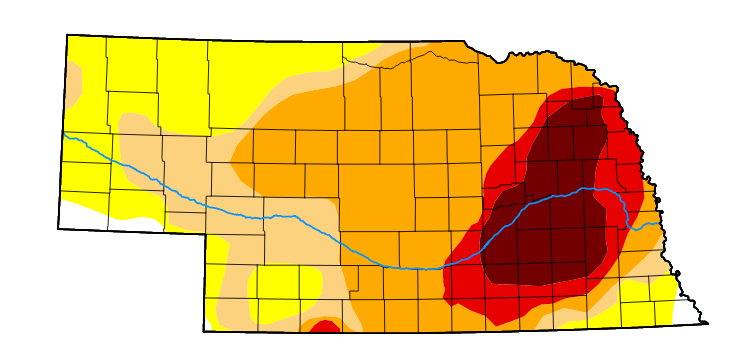
Mulberries ripen in June in my part of Agriculture Zone Five. Mulberry’s fruit taste is affected by the moisture the tree receives. It’s the second or possibly third year of drought in Nebraska. A swath of the state where I live is stuck in what is called Exceptional Drought (deep red color) on the US Drought Monitor.
In 2021 there was rain early in the summer. Pastures, fields, and gardens got off to a good start. The mulberries were lush and plentiful. In the fall we began to see the early effects of drying conditions. There was no snow or rain the following winter. Rains did not come often or in large amounts in 21-2022. The mulberries were tough and sparce. I carried water to my favorite flowers daily and watered the vegetables. As the summer heated, I began to water the grass and consequently trees in the house yard. It reminded me why I really dislike moving hoses. Even the best of them kinks and are difficult to recoil. It was a constant battle just to keep plants alive.
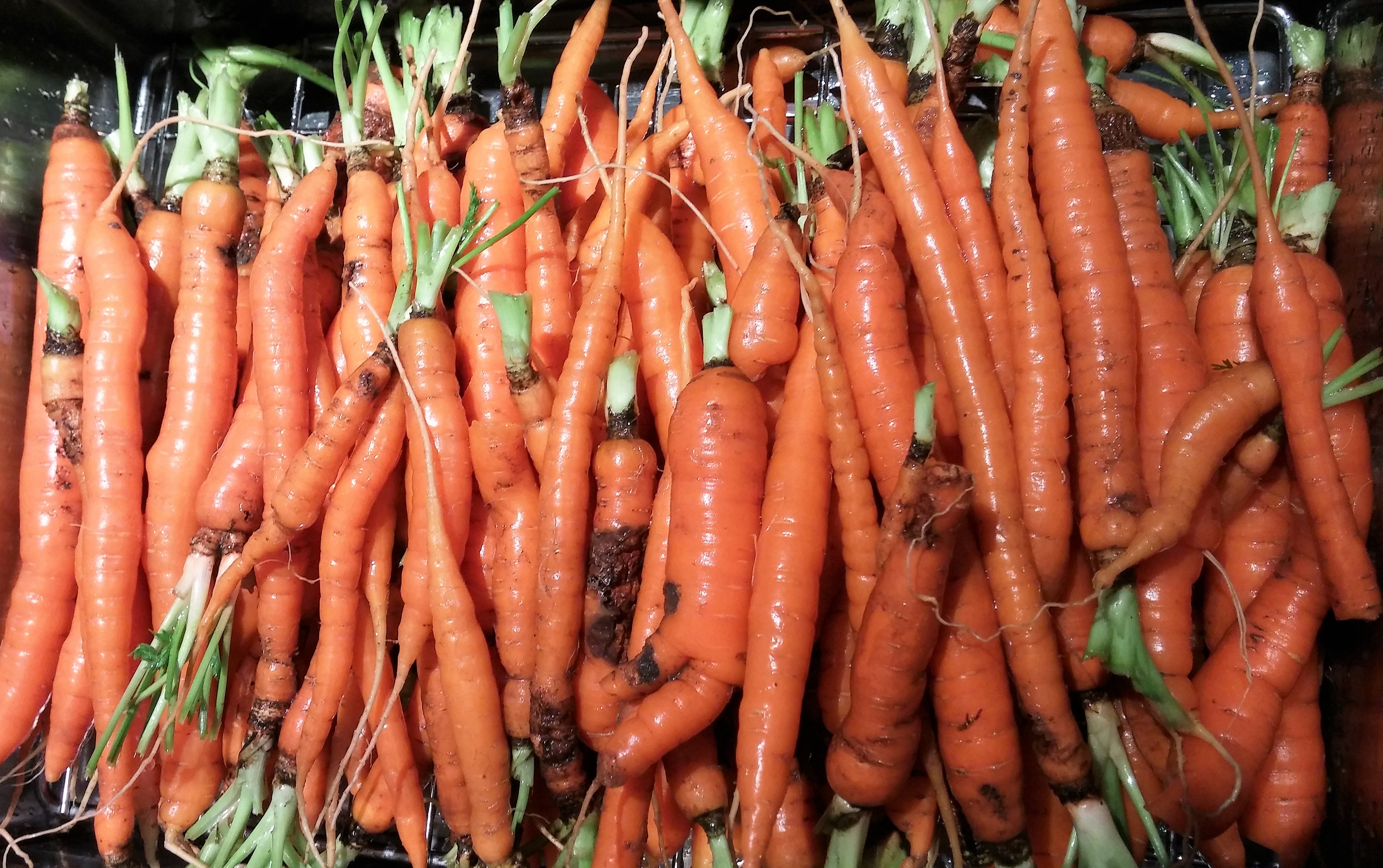
The vegetables were unhappy as well. Plants can be maintained with regular watering, but vegetables are most productive when they receive rain with accompanying lightning and thunder releasing nitrogen from the air. The carrots pictured grew in the summer of 2020 prior to drought conditions.

carrots

There were a few snowstorms in the winter of 2022-23 but not enough moisture in the snow to replenish what had been lost in the previous two seasons.

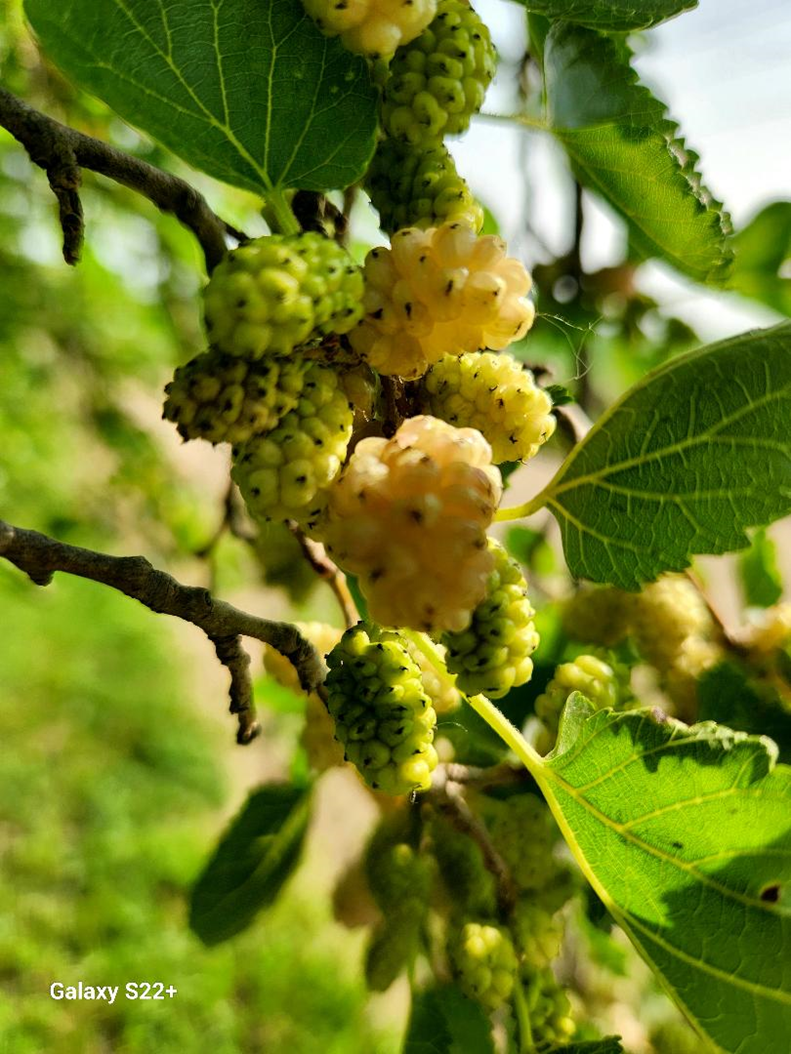
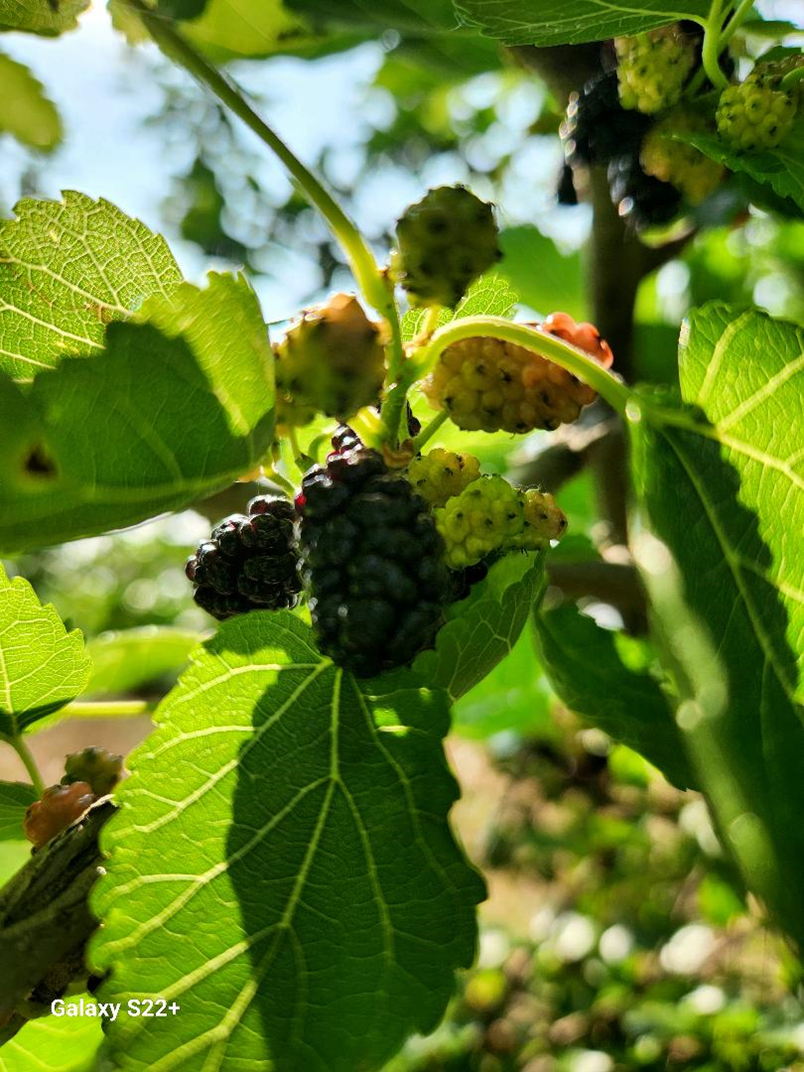
Mulberry season 2023 has arrived. There is a white mulberry tree in front of the house and purple mulberries near the garden. The trees are loaded with fruit, but their flavor is affected by moisture. I’m hopeful they will be eatable this year despite the continued drought. Mulberries are delicious over yogurt or in a pie. Mulberries can also be used to make jam or wine.

Rain is a fickle caretaker here. Fifteen miles to the south it rained over an inch last night. The same amount fell a few miles east. Clouds typically form then split apart in this part of the county. I traveled seventy miles west today and ran into mist during the trip west. During the return trip a few hours later, I drove through pouring rain for fifty miles. The rain ended twenty miles from home and no precipitation was recorded in my end of the county. Weather is fascinating, even as it is frustrating.

I’m watering my favorite plants and trees, then leaving the rest to Mother Nature. I believe it may be time to convert my garden to a Xeriscape landscape, find plants that thrive in dry conditions.

Bonding

Connecting

“I think we are bound to, and by, nature. We may want to deny this connection and try to believe we control the external world, but every time there’s a snowstorm or drought, we know our fate is tied to the world around us.” 
         Alice Hoffman

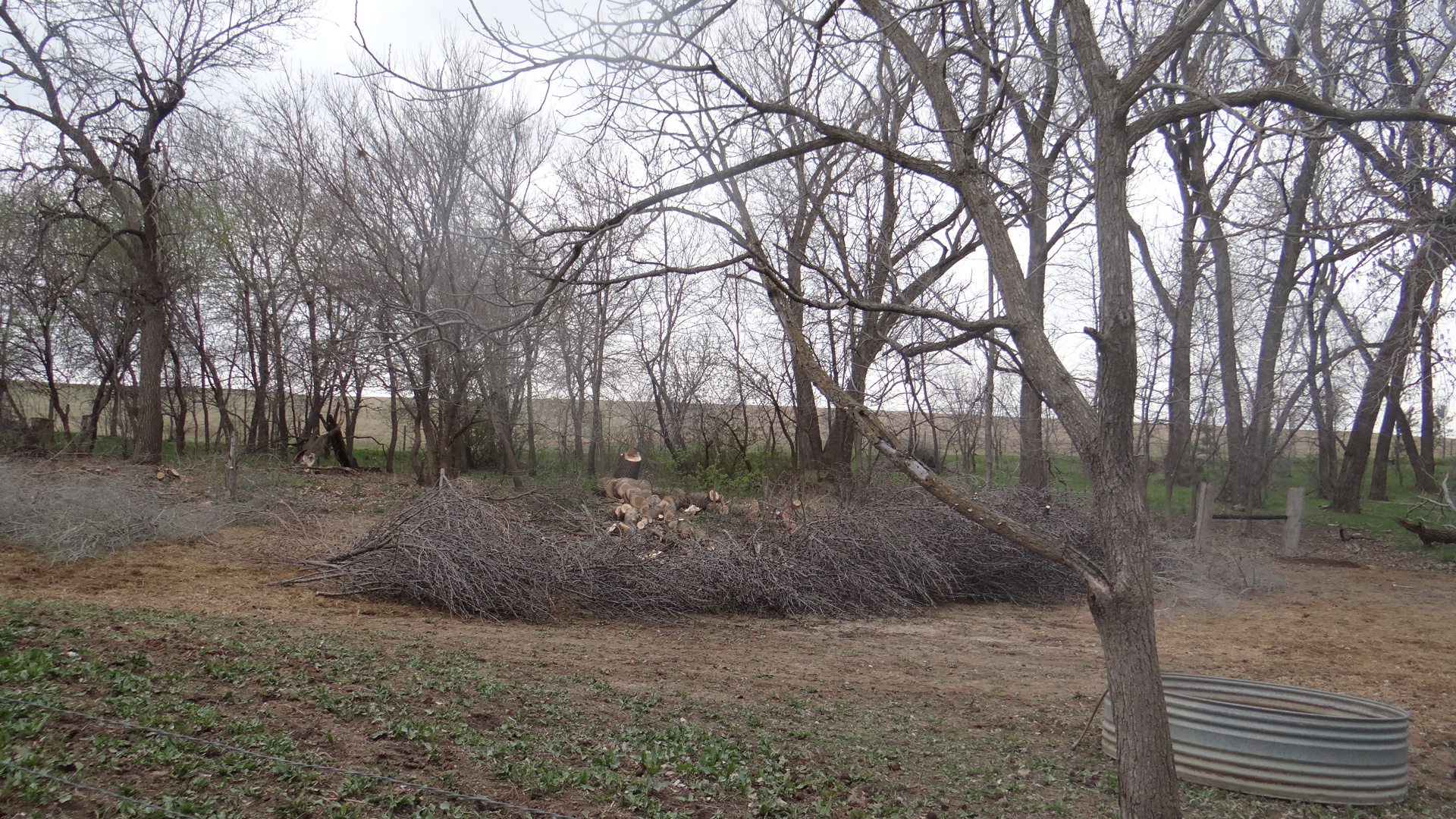
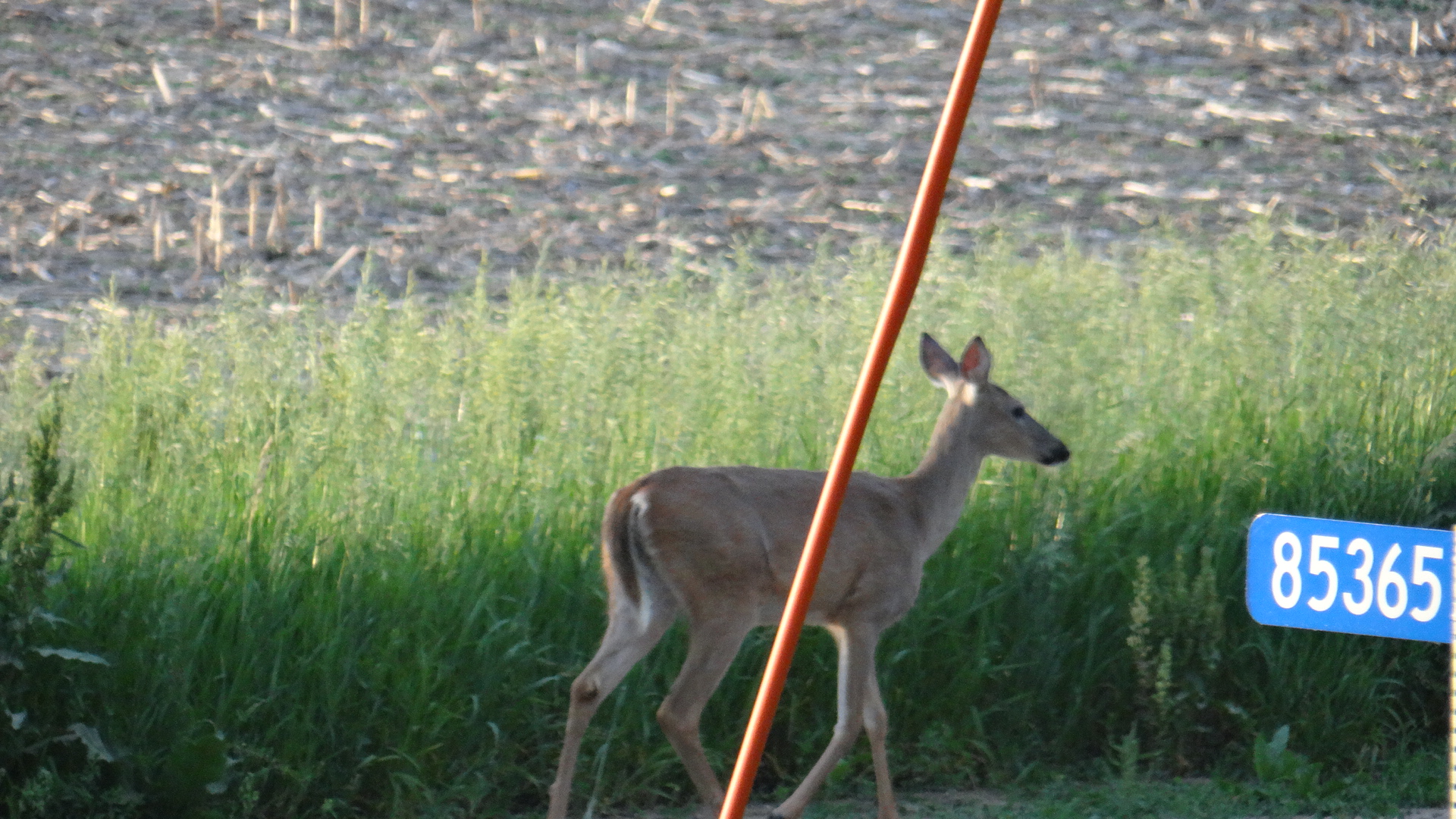
I have a strong bond to the rural area where I live. My farm site includes a grove with cottonwood, elm, and pine trees. There are cedars and ponderosas around the buildings. Ash and mulberry grow where birds have scattered their seeds. Many wild species, including the deer pictured, feast on mouthwatering mulberries in July and August.

Other wildlife in the area includes rabbits, raccoons, possums, coyotes, skunks, and occasionally fox, and marmots. I sighted a bobcat once. The locale hosts many birds, including red-tailed hawks, giant owls, blue jays, doves, woodpeckers, robins, barn swallows in summer, and multiple brown sparrows’ year-around. As neighbors have torn down building sites and bulldozed nearby trees, more birds have flocked to my little oasis. The wildlife connection will be explained in the following narrative.

Dogs

This is a story of how I came to adopt a dog after my previous dogs died. I’ve always had a strong connection to my pets. My previous dogs were a black lab and Samoyed mix named Cookie and an Australian shepherd mix named Wiggs.

Cookie came to us in 1996 as a puppy. Her start was a rocky one. Three days after she was spade, she worked her stitches loose one morning. She sat by the back door with part of her intestines showing. I called for the family to come quickly. My daughter and I sat in the back of the pickup with her wrapped in a towel while my husband drove us to the vet. The veterinarian was alarmed the stitches hadn’t held, took her into emergency surgery to remove the damaged intestines. Cookie stayed in the veterinarian’s care for another week and miraculously recovered. She got along fine without three feet of intestines for the rest of her life. She had an excess of curiosity, always wanting a closer look at every vehicle driving by our house.

Wiggs was born in 2002, the year my daughter graduated from high school. She was a sweet little dog, all bubbly, lick your face, and crawl all over you, kind of puppy. She was so wiggly; we named her Wiggs. We got her when Cookie the black lab/Samoyed cross was about six. Cookie mentored her, taught her to scratch on the screen door when she wanted in the house and the not so helpful habit of scratching the stair door if she wanted to go outside in the middle of the night. That door still carries the scars. Cookie allowed Wiggs to crawl all over her, chew on her feet, play with her tail, and follow her around. They were great friends and companions. Cookie also taught her to chase cars. That they both lived through those car chases is a small miracle.

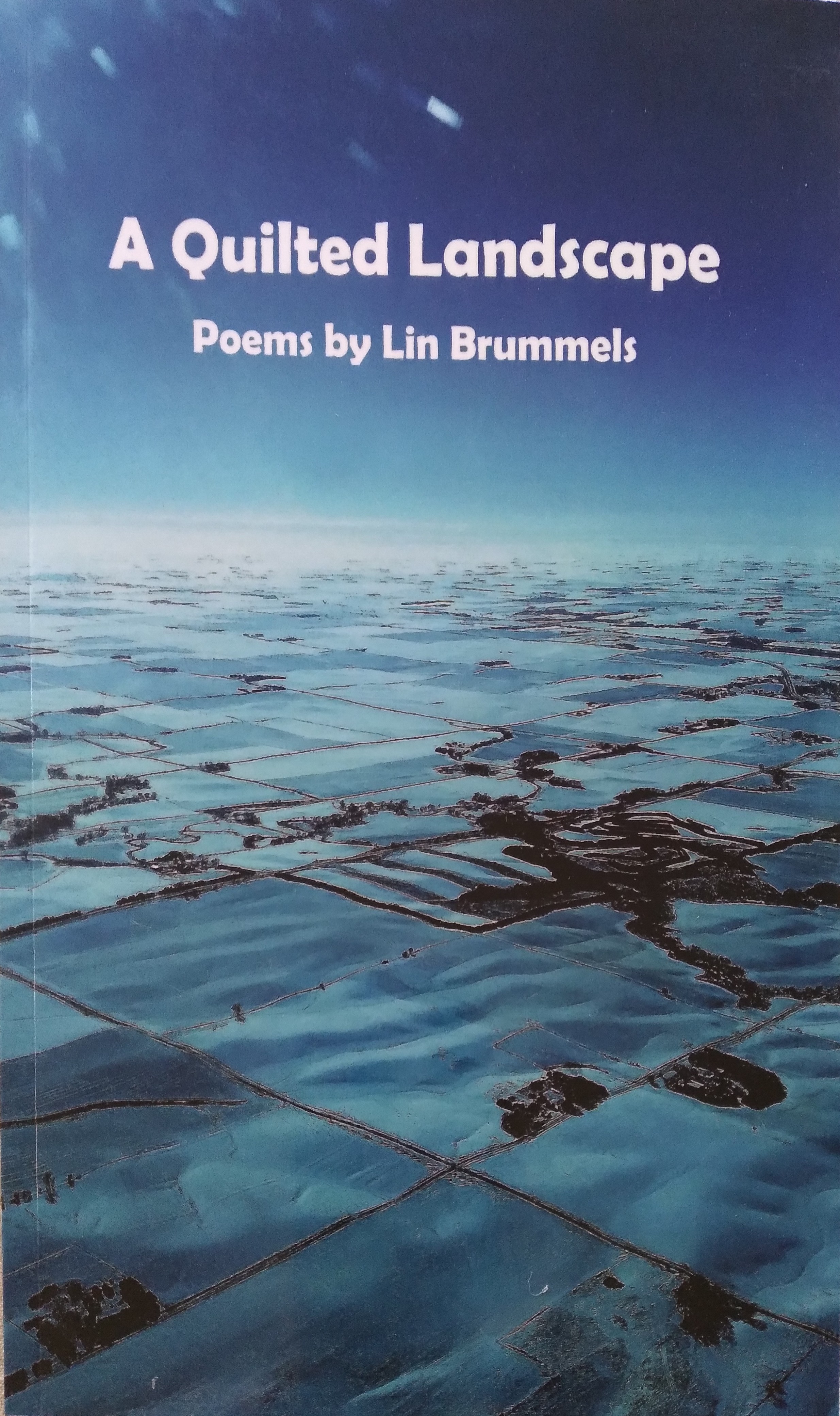
Cookie passed from this world at the good old dog years of about 15. She gave up on life one summer day. Her muzzle turned grey, and her legs quit working. My son was here that day with a friend. I sat on the sidewalk and said good-by to Cookie. They took her out and shot her, buried her on a hillside. I wrote this poem about her passing. It is in my book of poetry, A Quilted Landscape.

To The Hill

“But suddenly she was old and sick and crippled …

I grieved for Pollóchan when he took her for a stroll

And put his gun to the back of her head.”     

                                    Praise of a Collie

                                    Norman MacCaig

Cookie sighs, looks up at me

through liquid brown eyes,

places her grizzled muzzle

carefully over folded paws,

patient, as calm in her old age

as she was with Zeke and Liz

when they were young.

I sit on the sidewalk

beside her,

stroking her greying fur,

tell her we love her,

turn my head

when my son takes her

to the hill

overlooking the grassland

she paced so many times.

No longer able to run

she welcomes the single shot

that brings peace.

Wiggs was lonely after that for a while but then she rather liked being the only dog. Cookie always got the lion’s share of the scraps. Now Wiggs got them all. I supposed I contributed to her weight gain because I shared my meals with her after my marriage ended. At one vet check-up, a diet plan was recommended. After her diet went into effect, she lost 8 pounds on her vet-prescribed special diet and no scraps.

My daughter was 18 and My son 21 when Wiggs came into our lives. She was just leaving for college and My son returning to our hometown. My son spent a lot of time with Wiggs over the years and she was attached to him. Whenever he was home, she slept by his door.

Heeding advice about socializing Australian shepherds, and the need for her to be around lots of people, I took her (leased) to parades, on picnics, dog-fundraising walks, and other events. She could go to town and wouldn’t even need a lease, although I always took one along to be on the safe side. She stayed right beside my son when she was with him.

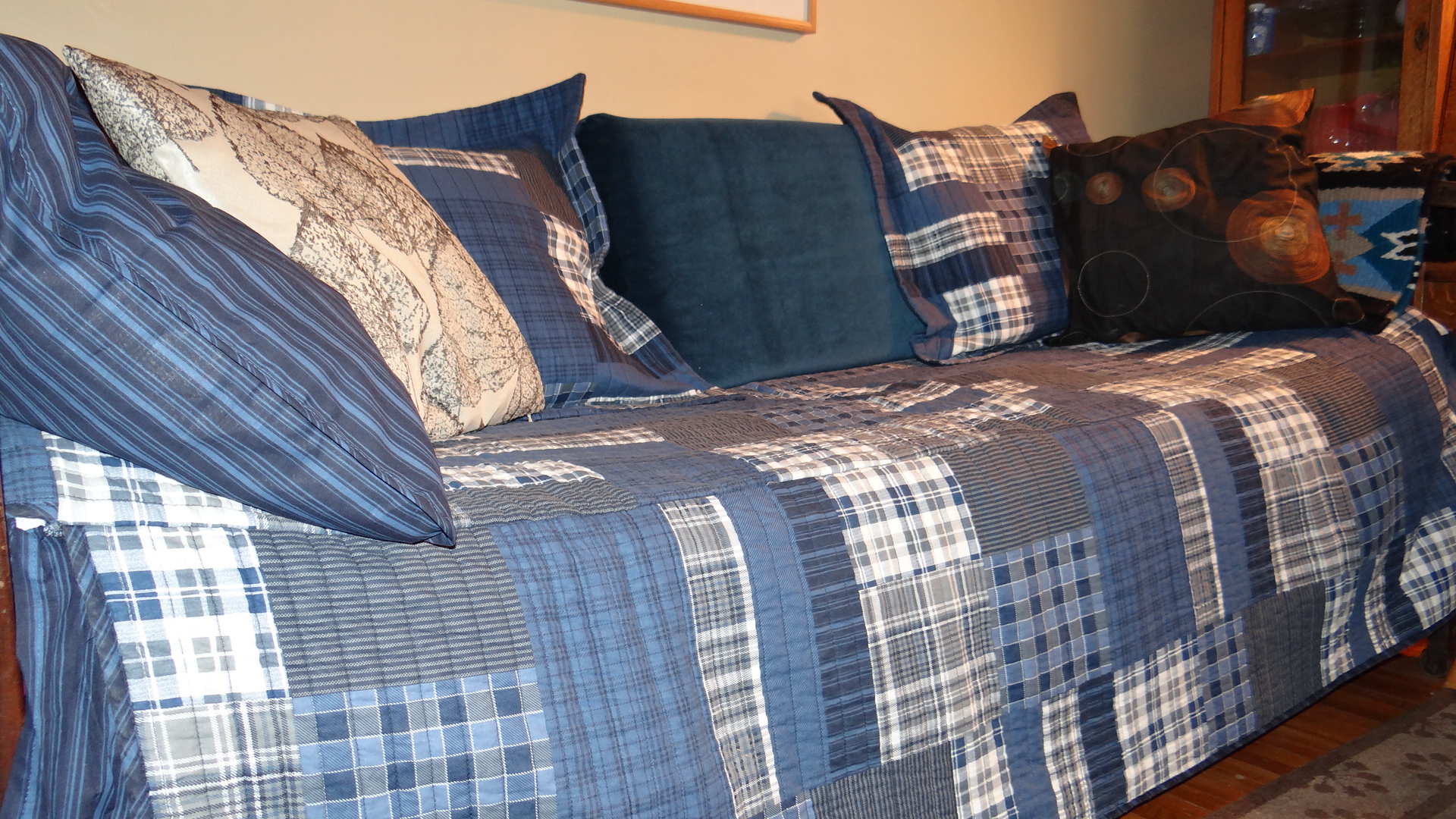
I taught her that it was ok for her to sleep on the daybed but not on other furniture. In the winter she did sleep on the daybed. I could often see her just getting up when I came downstairs early in the morning. She would slide off the daybed like she didn’t want to be seen sleeping. She followed me around the house. If I worked on the computer she slept on the office floor, if I read in the dining room, she slept on the rug by the table and in the winter we both sat by the fire in the living room. Wiggs would lie in front of the stove and soak up the heat until she couldn’t stand it anymore, then move away to cool off.

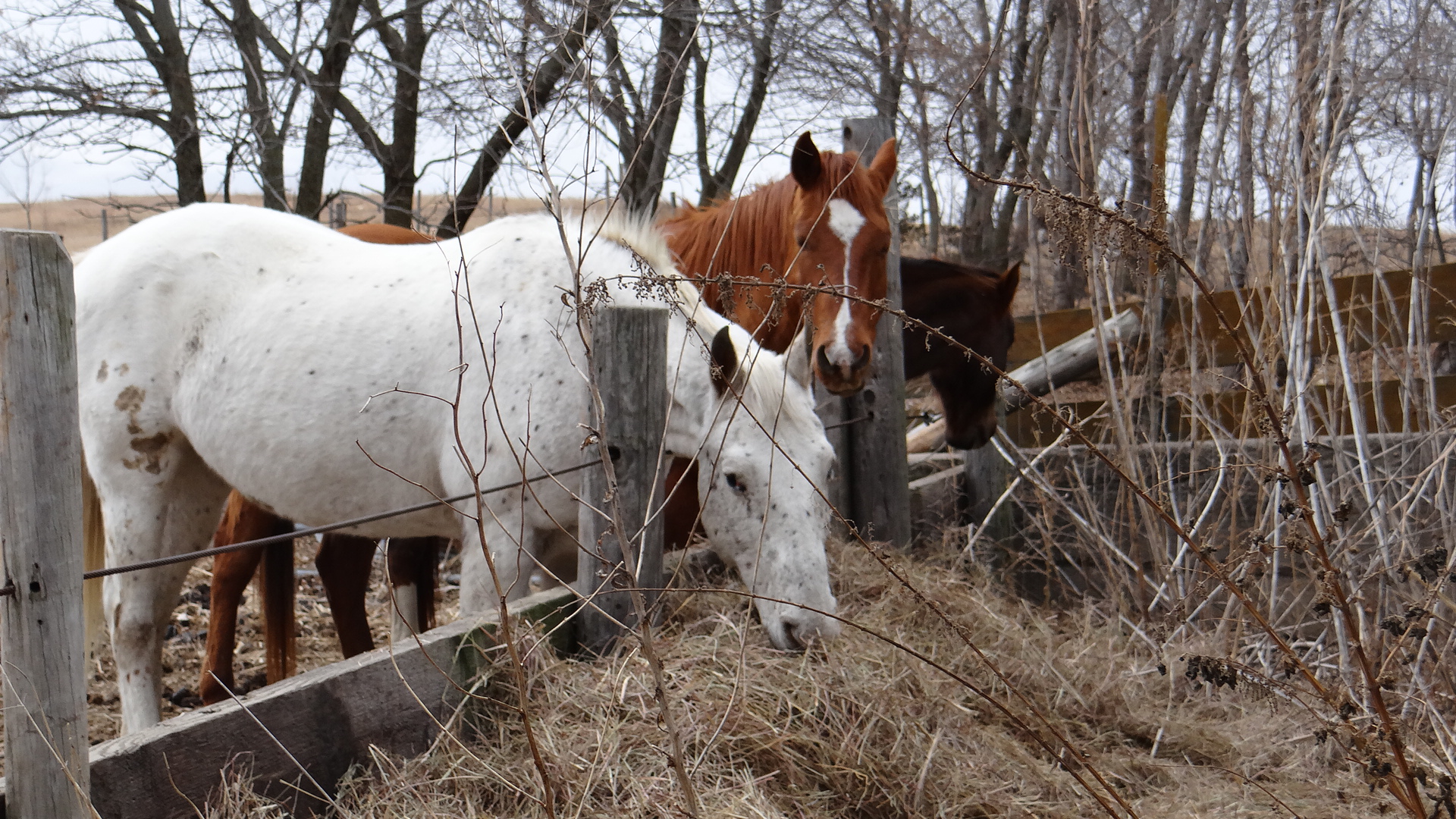
Wiggs accompanied me to feed the barn cats and horses. She half-heartedly chased horses because she thought it was her job to keep animals away from the house. The horses ignored her. She always barked at them with the safety of a fence between them. She barked at strangers who drove on the place. It was often a deterrent for salespeople. She loved to be petted and certainly took “doggy treats” from strangers. It was all-show or all-bark and no bite.

Wiggs died 8/15/2012. My son was on vacation. I didn’t want to call him and tell him that Wiggs died but I didn’t know how to justify not telling him until he returned home. He had a special bond with her. An e-mail is so informal, yet it seemed best to send something. I missed her sitting beside me as I typed. She was my special companion. She walked with me in the morning. She wandered the property with me as I tried to sort out who I am and what I wanted to do. She helped me screen the men I’ve dated after the divorce. If a guy didn’t like her or she didn’t like him, I didn’t see that guy again.

Wiggs had learned car-watching from Cookie. I could have and should have confined her to the house while I was at work, but I did not do that. She loved to roam around the acreage, sniffing for rabbits, chasing squirrels, and generally serving as watchdog. To my knowledge, she never caught anything but loved the chase.

Returning home from work one summer day, she didn’t come when called. I found her under the lilac bush unable to move. I called my neighbor to help me load her in the jeep and immediately took her to the vet. Diagnosis was a broken vertebra, probably hit by a car but I don’t know for sure. The vet said she couldn’t recover and gave her pain medication to help calm her. I made the dreadful decision to put her down. My daughter and I sat with her when the vet administered the heart-stopping medication. I was heart-broken, losing my puppy companion, my only companion at that time. The vet clinic cremated her and gave me a box with her remains.

I wrote this poem about her, describing an amusing incident. It’s also in my book A Quilted Landscape.

Wiggs Makes Tracks

A Quilted Landscape by Lin Brummels

Wiggs, the Aussie, is eager

to go to the puppy spa

this cool rainy morning,

jumps into the front seat,

misses the cushion cover,

wipes muddy paws on fabric,

as I key the ignition, then

step out of the jeep,

walk to the passenger side,

try to coax her to move

back to the blanket,

but I’ve not learned

to speak dog very well,

load my bag with spare key

and some food in the back,

shut the door just as she moves

like she finally understood, 

accidentally steps on a lock,

leaving me outside, her in.

I call the car-body guy

to rescue her and me;

he comes to our aid,

but can’t pass up the chance

to give me a hard time, 

letting the dog drive?

In future time pups may drive,

but I’ll keep an extra key

in my pocket in case she

locks doors again,

following her instinct

to keep us safe.

I vowed to be dog-less after that. I didn’t want to go through another heart-wrenching loss or place another animal at risk. I went through that fall, winter, and spring without a canine companion. Although it was somewhat freeing not to worry about finding dog care when I traveled, it was also lonesome.

My son, taking care of the place while I was gone one time, remarked that he arrived at dusk to find a possum by the back door. It ran off when he arrived, but the incident did remind me that my canine friends had done a remarkable job of keeping wildlife away from the house. I don’t recall any dog catching a critter, but their barking kept animals away, forming a barking-dog-enforced perimeter around the buildings. A house in the country vacant for even a week or two is fair game for invading animals.

Nine months after Wiggs died, I began to think seriously about looking for another dog. It was like a dog-less pregnancy. I hired a contractor to build a fence around the doghouse so the next dog would be safe from traffic. My daughter and daughter-in-law, both dog-whisperers, accompanied me on the trip to the shelter. We walked through the rooms of animals waiting for forever homes. That walk was a heart-breaking experience all by itself. So many animals abandoned or given up by previous owners, I wanted to take them home. With some restraint I adopted just one dog that day.

The shelter staff said she had been given up by her previous owner who had three dogs in a small apartment. Her name at that time was River. That name did not suit her. We drove through a fast-food place to get something to eat on the way home. My daughter sat in the backseat with her and fed her the dill pickles from her sandwich. The way she relished the pickles, it was clear to us that her name would be Pickles.

Pickles is now ten-years old and doesn’t move as fast as she did. She’s having some problems with one of her back hips. I worry about losing her. When she was younger, she loved to play fetch with a frisbee. She doesn’t play much now. This poem is in honor of those happy times. It can also be found in the same book of poems, A Quilted Landscape.

Joy Under the Trees

A Quilted landscape by Lin Brummels

My sheepdog Pickles

finds her favorite frisbee

lost since early summer

under tall grass

in the grove

until mowed by hungry bovines

Joyfully she drops it at my feet

I throw frisbee

She chases and dives

like outfielder after a fly ball

brings it back to play tug-of-war

I can’t win

her jaws stronger than my hands

wait for her to drop it again

We both race to grab

what’s left of well-chewed disc

She usually wins

but when I get there first

throw it to her again and again

until she tires and leaves

joy under the trees

to discover later with glee

Finding Motivation

“We go through life. We shed our skins. We become ourselves.” Patti Smith

Why write at all: Motivation during Covid

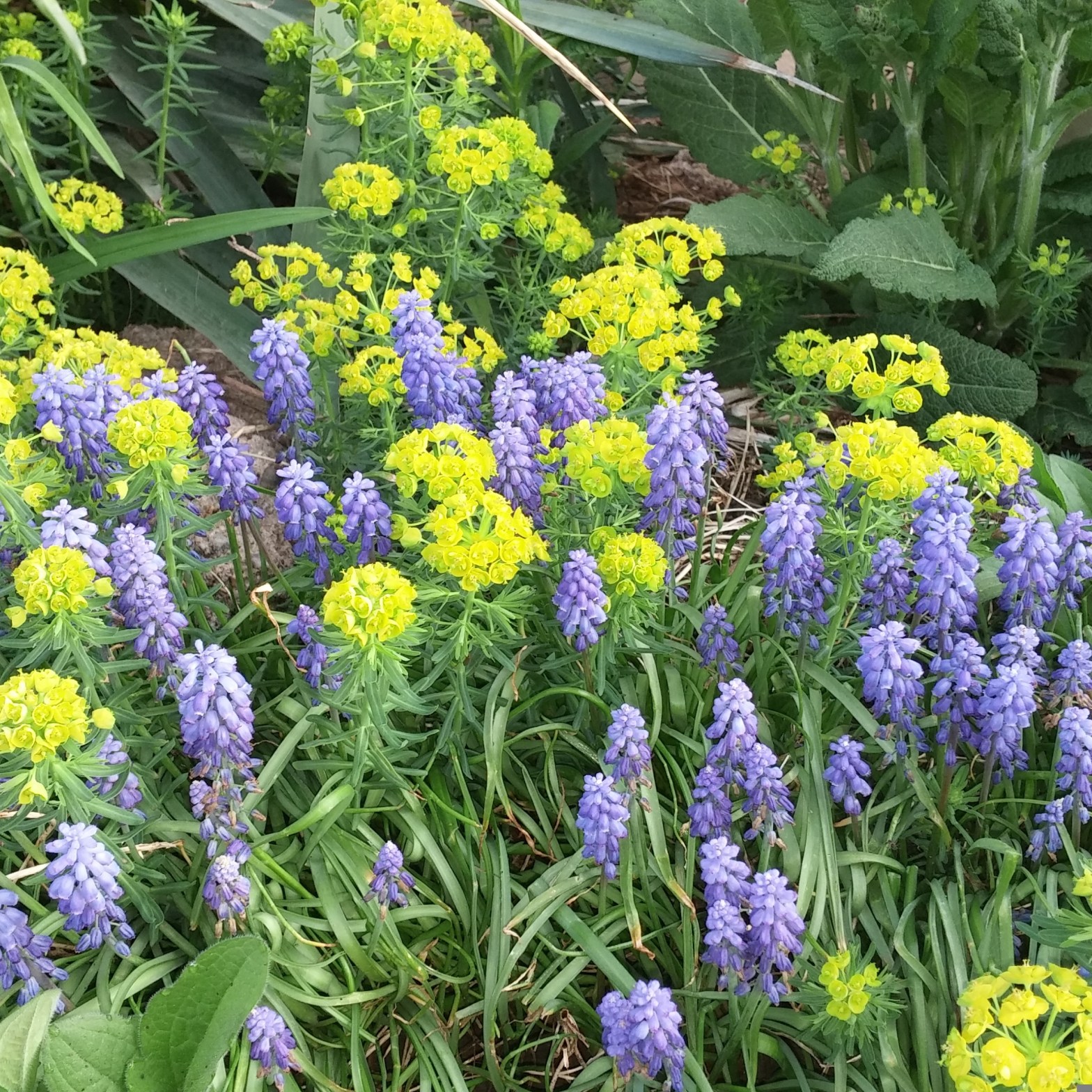
In the past I’ve looked to nature and animals for writing motivation. Spring flowers and emerging life are Mother Nature’s invitation to go outside, hear the birds sing, smell fresh air, dip fingers in warming soil.

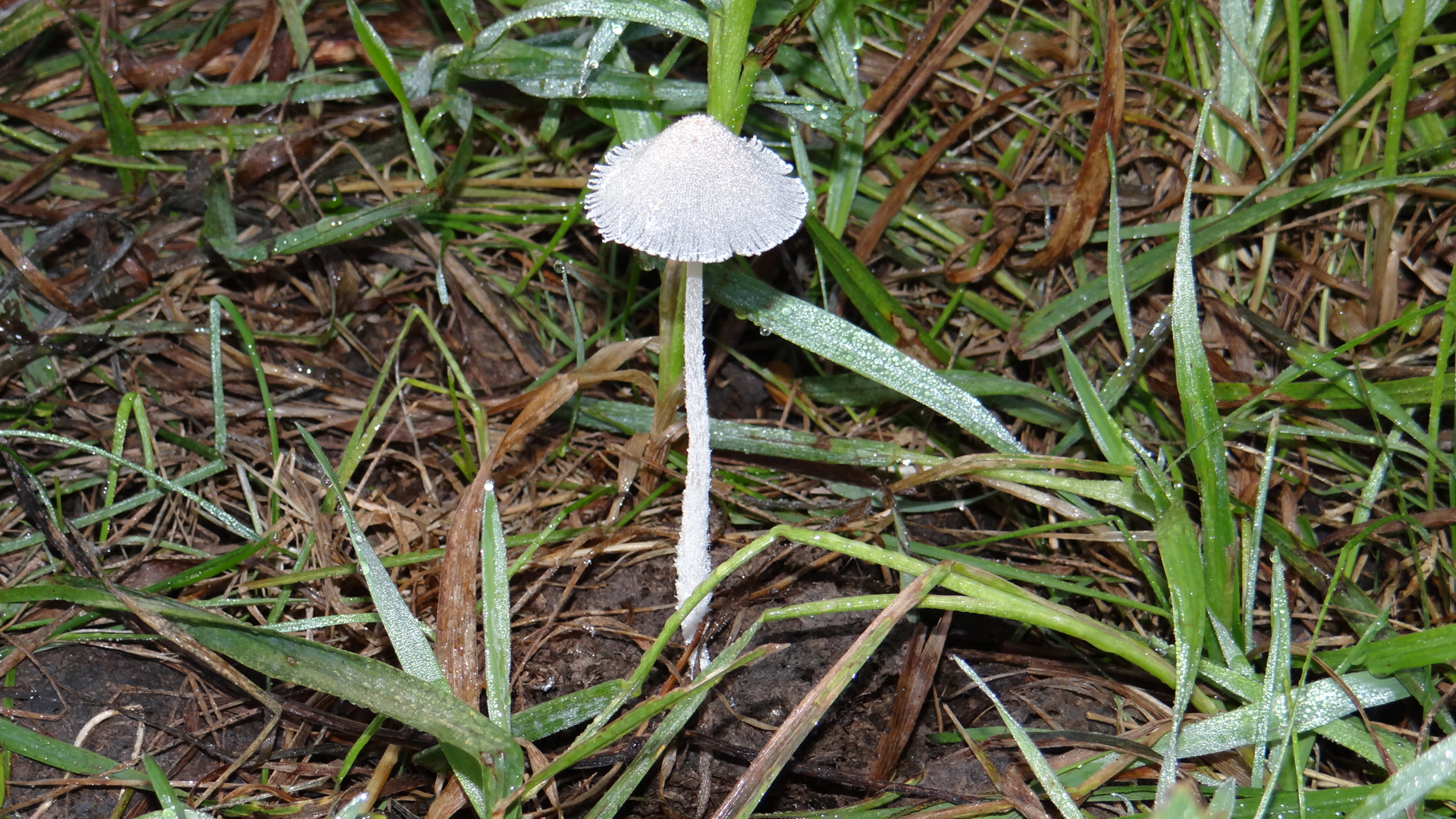
This mushroom is a tiny umbrella for the soil

However, the pandemic that has sickened and killed thousands has kept many of us indoors. It’s forced many writers to scribe in isolation and artists to create alone. The in-person gatherings, classes, and workshops that taught us and nurtured us were postponed, then cancelled. We were on our own looking internally for motivation during Covid isolation. Winter months when plants are dormant and it’s too cold to spend much time outside contribute to one’s sense of confinement.

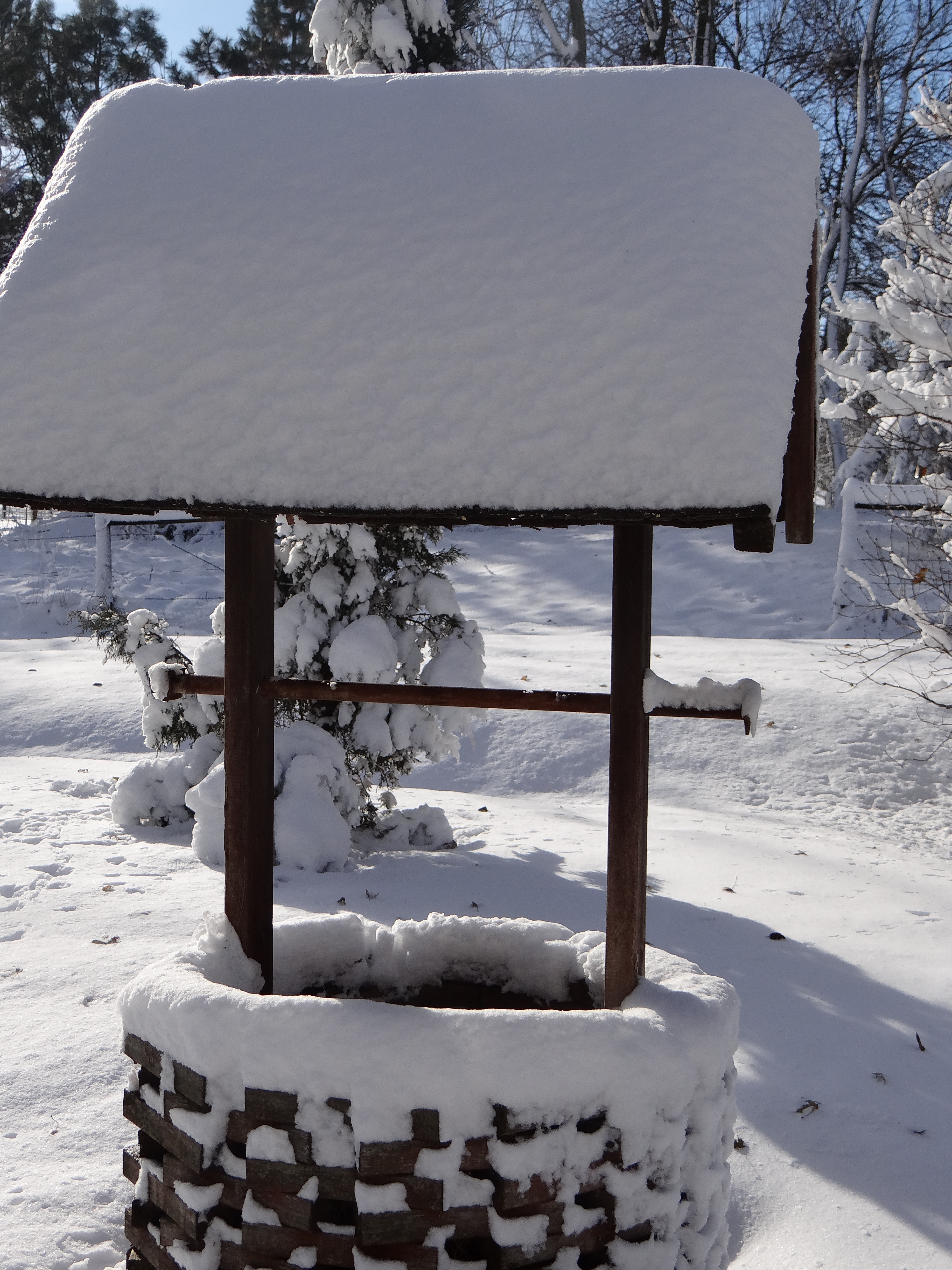
Fresh coat of snow is a blanket covering the landscape

I started this blog discouraged about writing as I reviewed failures of the past year. Once I flipped that notion on its head and looked at accomplishments first, I began to recapture my usual optimistic perspective. After all, if authors stop writing, and publishers stop publishing, readers will have nothing new to read.

During the past two years I’ve read multiple online comments from notable writers in blogs like Brevity and social media sites like Facebook about moments of indecision when they asked themselves “what’s the point in writing.”  These author’s observations are typically followed at the end of their notation or essay by the author’s impressive credentials. Writers also blog about imposter syndrome – the notion that the public will find out they are pretenders, not legitimate journalists, novelists, poets, or essayists, e.g., https://brevity.wordpress.com/2022/02/09/getting-to-the-truth/  That notion certainly describes me. I worry I’m not a real writer and become discouraged.

Reconsidering Accomplishments

In 2020 artistic and literary public events came to a near halt due to the arrival of Covid and its derivatives. We eventually discovered how to use zoom or began to meet outside in person and often in masks. Even with those baby steps it was a quiet year. I, like many people, stayed home and only saw the humans in my bubble.

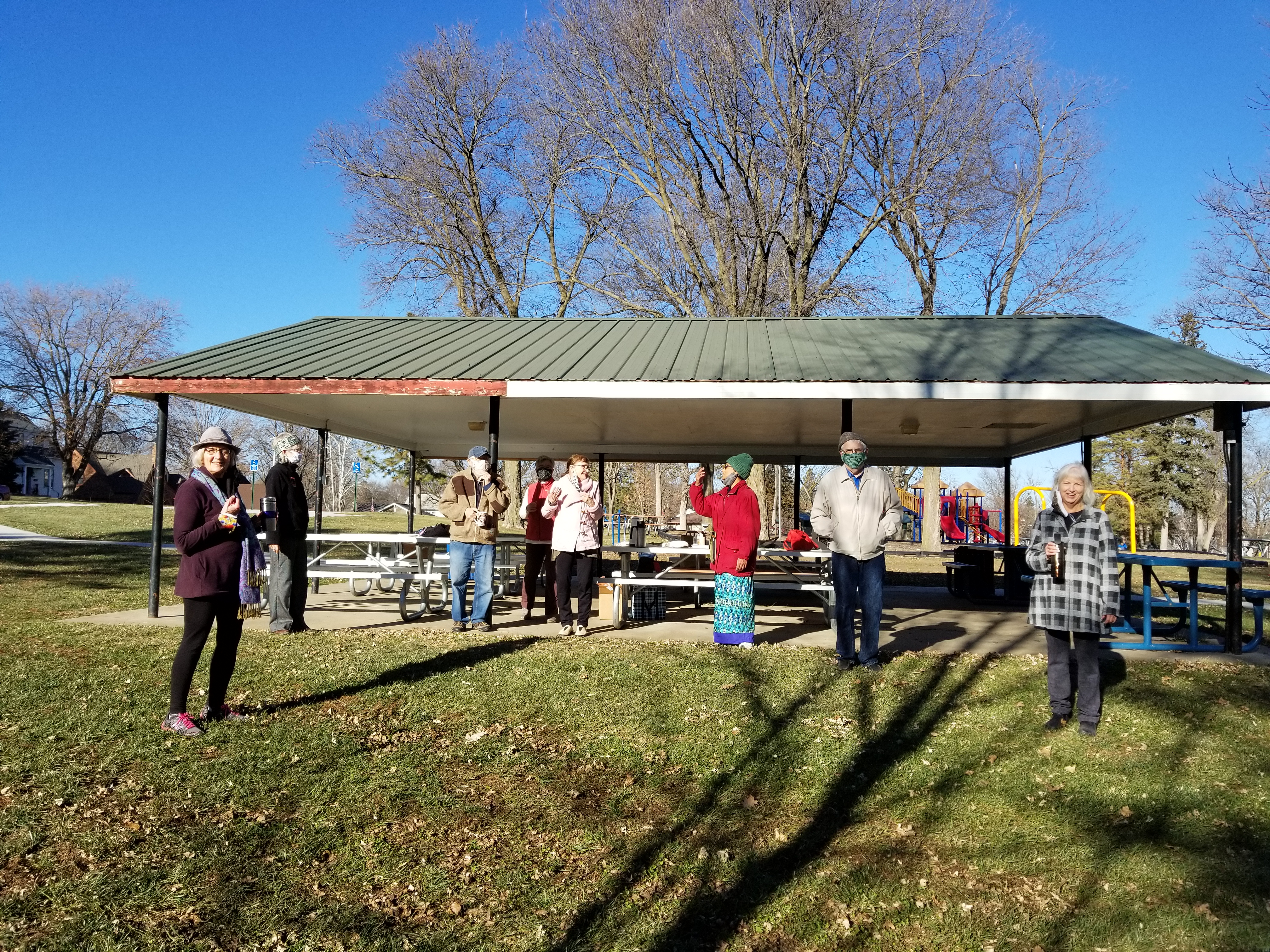
A group of friends meet for coffee in the park on a warm winter day in 2021

My full-length book of poetry, A Quilted Landscape, was due to be published in 2020 but was delayed until 2021 because of the pandemic. The publisher and I hoped to be able to hold readings and public events in 2021. This was true only to a very limited extent.

A Quilted Landscape was delivered to my house by UPS in the spring of 2021. It turned out beautifully thanks to the terrific editor and publisher at Scurfpea Publishing, Steve Boint. I held a book launch at a coffee shop outdoor dining room in the summer of 2021. Both the publication and the book launch were highlights of the year for me.

Cover of my book of poems, A Quilted Landscape

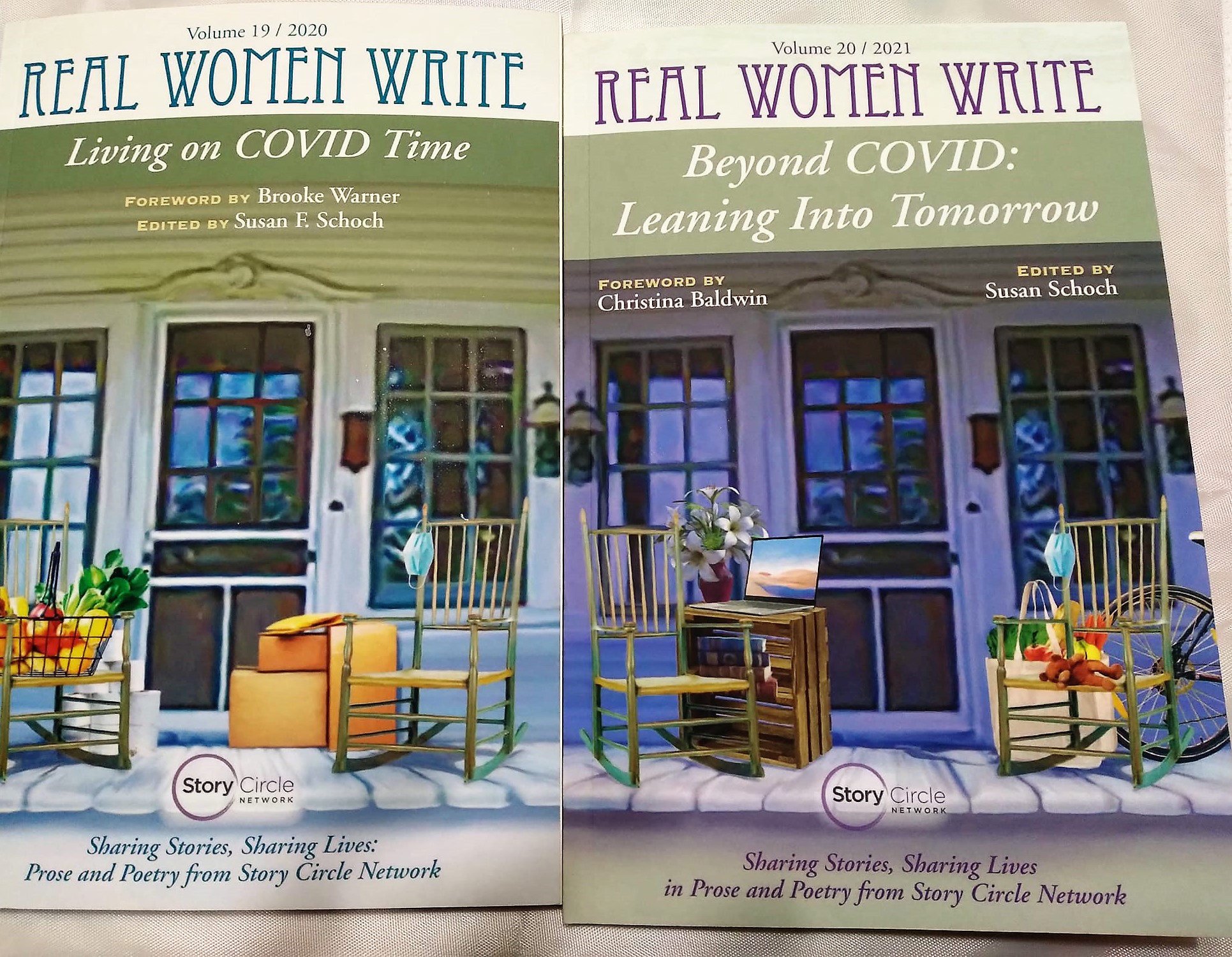
Another accomplishment was publication of two poems in “Beyond Covid: Leaning Into Tomorrow” anthology during 2021. “Real Women Write” from Story Circle Network is a two-volume sequence about living with and getting beyond Covid. Inclusion in this anthology series is another motivation to write this blog. I, like many others, want to get beyond Covid into a new normal. A journal also published a poem and an essay and one poem was accepted into another anthology.

Story Circle Network Anthologies

I initially became familiar with the idea of “new normal” after the 911 attack on the Trade Center and Pentagon. A National Guard unit from my town was deployed to Iraq. I was one of several Red Cross volunteer counselors who helped the Guard Chaplin work with family members of deployed soldiers. The Chaplin educated the families to the concept of a new normal in case their soldiers returned with physical and/or emotional wounds.

Covid has introduced us to another new normal as the latest Covid variants arise and subside. Schools struggle to stay open, health care workers feel overwhelmed, businesses look for new ways to operate, many people change occupations, and we all wonder what will be next as states drop mask mandates.

Why do we chose to write?

This winter, I am seriously examining the question in the title of this blog, “why write?” or more specifically, “what’s the point, who cares?” As an author in the Baby Boom generation, with my very polite perspective, I would like to find out what may be contributing to my recent string of literary rejections. Most days I don’t have a clear answer to this question, but it seems I’m not writing what the presses want to publish or I haven’t found compatible journals, with a few exceptions.

Literary activity in the second year of Covid, also known as 2021, was slow for me. I submitted 130 poems to thirty-two different journals. Four of them were contests. I submitted essays to five additional journals. One was accepted and published. In addition, I submitted chapbook collections to three presses. One is still pending but none were accepted. I am striving to adopt Sylvia Plath’s attitude when she says, “I love my rejection slips. They show me I try.”

My writing group has met only sporadically during Covid. The group is currently on hiatus due to several people’s health concerns. I dearly miss the comradeship and editing help from the group. I’ve joined an online writing group that meets on zoom, but it isn’t the same as getting together in person and work-shopping each other’s poems. I’ve also taken several online writing classes to improve my skills.

Publishing Today

There may be journals managed by people in my age bracket but most Baby Boomers (age 57-75), like myself, are retired or semi-retired. Presses and journals are run by Generation X (age 41-56), Millennials (age 25-40), and increasingly by Generation Z (age 9-24). The latter two groups are over-represented in the people who screen submissions. They are the first readers, interns, and students that are the gatekeepers at academic and large presses. Many will say age, gender, disability should not matter, it’s the writing that counts.

Voice

There is the notion of voice or tone of a writer’s work that speaks for them. My voice is usually understated and subtle in tone. I’ve been told by a young reviewer that my voice is so quiet it’s not compelling. On the other side of the voice question, Baby Boomers like myself, have suggested I might need to calm down some poems as too erotic or confrontational. Ultimately, I must be comfortable with the way I write. As Patti Smith says, we become ourselves. I can’t write another author’s words or in someone else’s voice.

In conclusion, on days when I don’t think I have anything to say, I write about that conundrum, and see where it takes me. Today it sparks my motivation to compose all over again.

A Farmer’s Daughter’s look at Ag

I grew up on a family farm. There were always chores to do. I was more interested in reading than farming. I devoured every book and magazine I could find. We didn’t have books at home or at the little country school. I borrowed books from anyone willing to loan them. My rural schoolteacher borrowed books from a bigger library in the county seat, consequently, there were books to read at school. I read when I was supposed to be doing chores. I read when I herded cows along the road, when I was thought to be weeding the garden, and at night after I went to bed. I read when tanning in summer sunshine, and when I took my younger brothers to the creek to swim. Every story was an adventure that took me on a journey away from the farm. My parents and I were all surprised that I wanted to move back to the country to raise my family.

Today I have a home library. The books I discuss in this blog emphasize the importance of farm and ranch land for its spiritual power as well as a means for people to make a living. It is not an attempt at a comprehensive review, rather it’s a consideration of how these Dakota-based authors’ works have left a lasting impression on me. The books remind me of how agriculture’s difficulties influenced my life in the past and continues to do so. The impetus for this literary comparison is an example of reading serendipity in that the books came together unexpectedly in time.

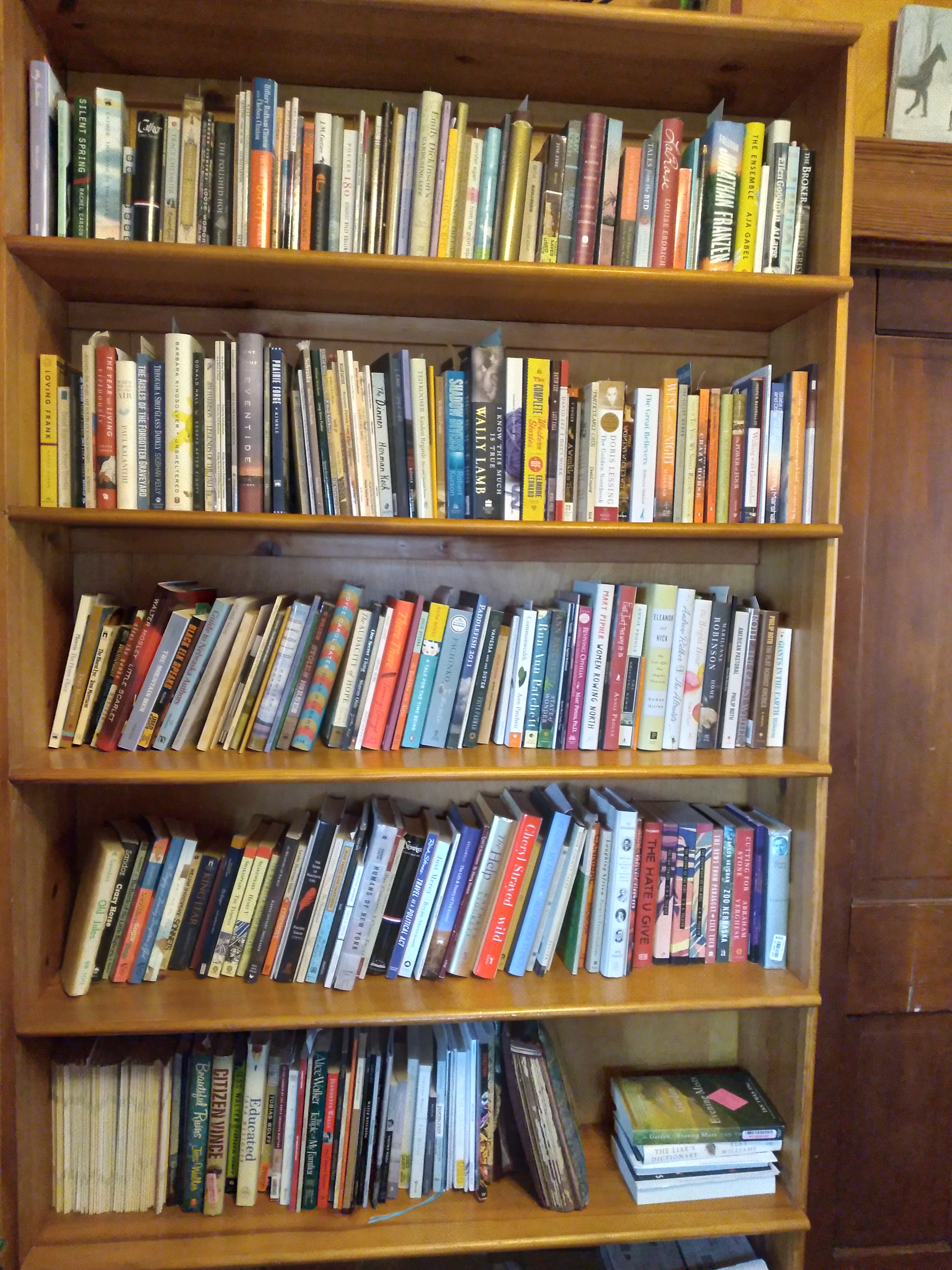
Part of my home library

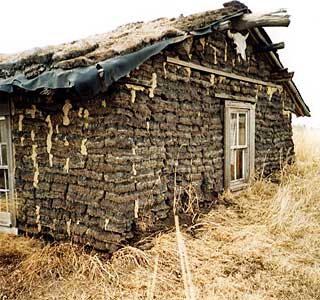
O.E. Rolvaag’s Giants in the Earth, first published in English in 1927, from a Norwegian translation, is often referenced as a seminal work about the immigrant experience in North America. Rolvaag’s book is about immigration to South Dakota. He describes the courageous Norwegian immigrants who first arrived in those vast grasslands and tried their hand at farming. It’s not too much of a leap of faith to conjecture that the immigrants who first encountered the grasslands of eastern Nebraska and North Dakota faced similar challenges to those in South Dakota, albeit with colder winters the further north one settled. This book is referenced by other authors listed below in their descriptions of the Dakota plains. When I read this book, I was struck by the foolhardy bravery of the immigrants and the unbelievable hardship of their lives as they tried to turn native prairie into farmland.

Example of a sod house

I’ve read several of Linda Hasselstrom’s books about South Dakota. Her memoirs, Going Over East first published in 1987 and Feels Like Far published in 1999 describe living and working on her family’s western South Dakota ranch. They are evocative of the demanding work of making a living from the land described in Giants of the Earth. Her poetry is indicative of her tough yet tender relationships with people in her life.

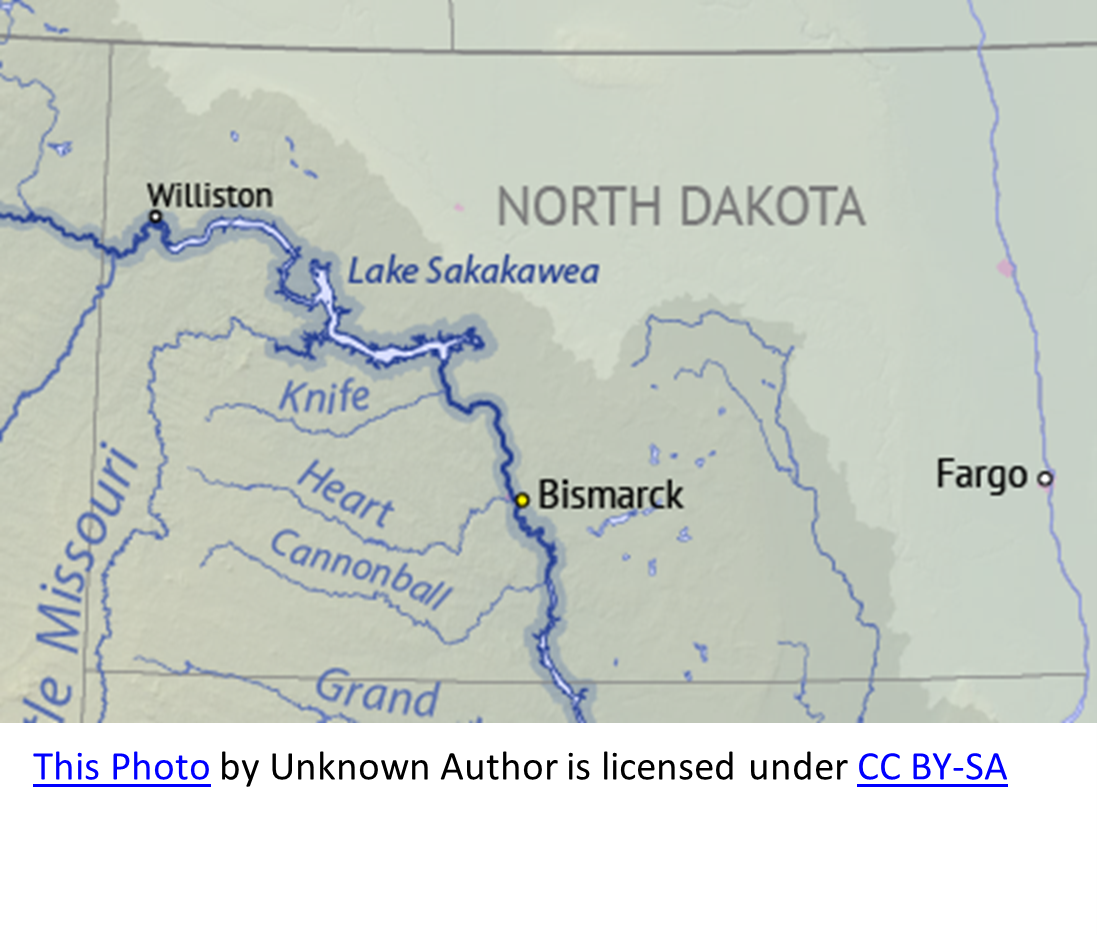
Years ago, I read Kathleen Norris’s Dakota: A Spiritual Geography, published in 1993. It is a look at faith and its connection to her life in North and South Dakota. She presents the idea that the West River area of both states is more like each other, and that the eastern ends of the states also have more similarity to each other, as opposed to any distinction between the states. Hence, she talks about living in Dakota, and lessons she learned returning from a city to live in a family home in a town located on the border between North and South Dakota.

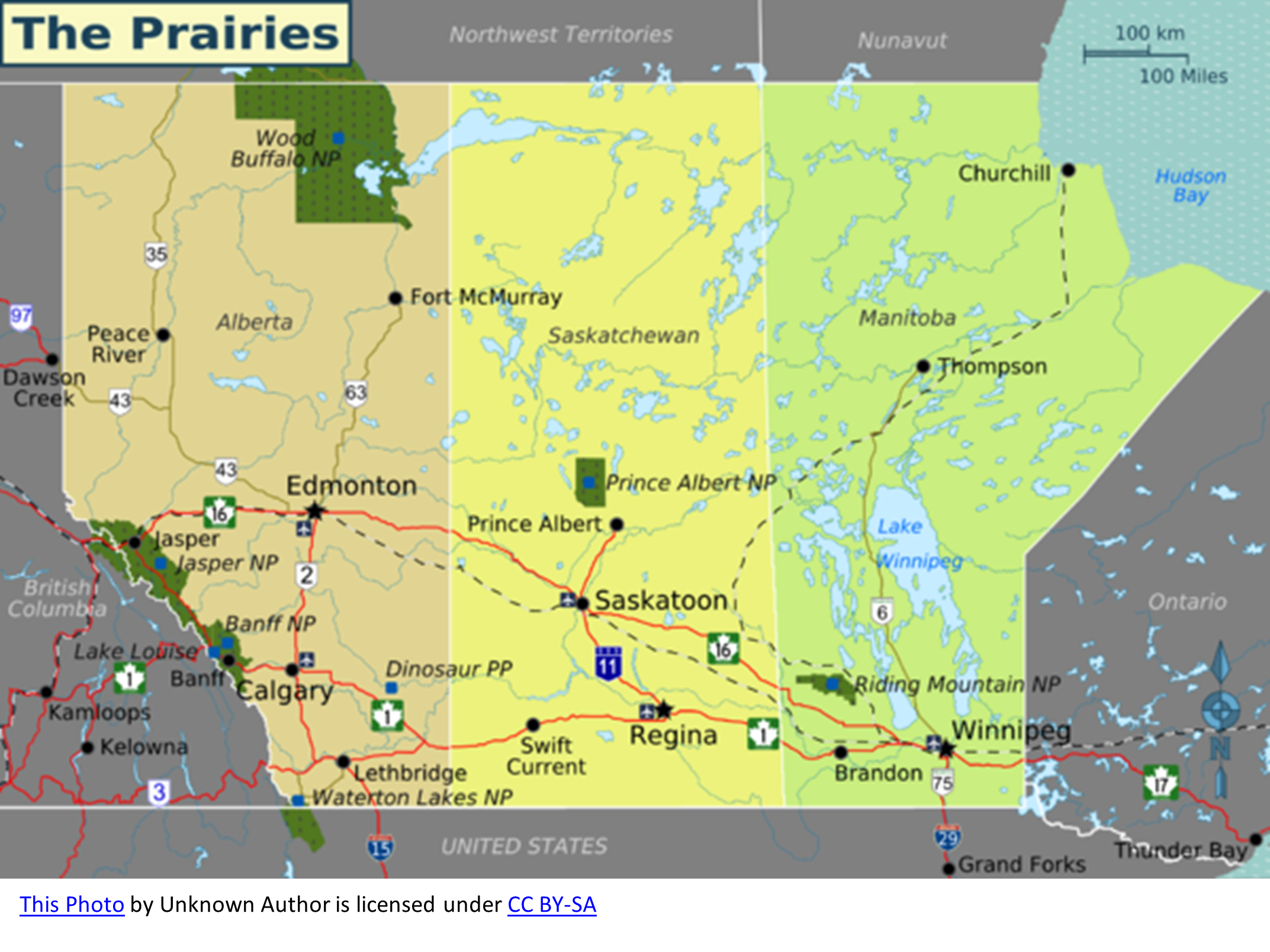
Another author, Sharon Butala, in The Perfection of the Morning, an apprenticeship in nature, published in 1994, writes in the same vein about finding spirituality on the prairies, in this case the Canadian plains, especially southwestern Saskatchewan, just north of the Montana border, a dry country. Ms. Butala finds the solitude of walking over grassland to be an enlightening experience after she marries a rancher and moves away from the city to live an isolated rural life. I find in her accounts of grasslands numerous descriptions of place, solitude, and connectivity to the land that I feel, almost as if she was writing for me.

More recently I’ve read thee more tomes with North Dakota connections; The Farmer’s Lawyer by Sara Vogel published in 2021, The Horizontal World: Growing up wild in the middle of nowhere by Debra Marquart published in 2006, and Yellowbird: Oil, Murder, and a Woman’s Search for Justice in Indian Country published in 2020 by Sierra Crane Murdoch set in and around North Dakota reservation land.

Vogel’s and Marquart’s books are considered memoir. Murdoch’s is described as literary journalism. Vogel’s and Murdoch’s books include passages describing tragedies people suffer, often at the hands of the federal government. Marquart’s book is a personal journey of growing up in North Dakota. Her descriptions bring home the vastness of North Dakota’s geography necessitating traveling great distances to do practically anything. Remoteness to the Omaha metro area or Lincoln as Nebraska’s capital, are also vast for out-state Nebraskans. The western part of Nebraska is as lightly populated as the western part of the Dakotas.

Sara Vogel traveled the entire state of North Dakota as a lawyer representing farmers mistreated by the United States Department of Agriculture’s Farmers Home Administration (FmHA). Vogel’s clients included both white and Native American farmers from reservation land. She also traveled countless miles visiting clients and filing briefs in numerous courts. Her knowledge of legal precedents as a young lawyer was impressive.

I find myself identifying with these authors and people they describe. The Farmer’s Lawyer really brought this to mind as the author lays out the suffering of farmers during the Reagan administration under the guidance of his Secretary of Agriculture Block, nicknamed “Auction Block” by the beleaguered farmers and his chief administrator of the FmHA, Charles W. Shuman.

Farm Loans

FmHA’s federal employees forced thousands of farmers off their land if they didn’t meet President Reagan’s stringent cost-cutting guidelines. Block’s mantra was “get big or get out.” He forced thousands off their land by foreclosing on their FmHA farm loans. Ms. Vogel proves in court that the federal government was not following its mission to save family farms as originally laid out by Franklin Delano Roosevelt (FDR) in his New Deal policies to help farmers during the dirty thirty’s financial crises. Vogel does an outstanding job of describing the horror those farm families faced when they lost everything. The farm crisis described in her book started in the early 1980’s and lasted into the 1990’s when Congress finally passed laws protecting farmers.

Family

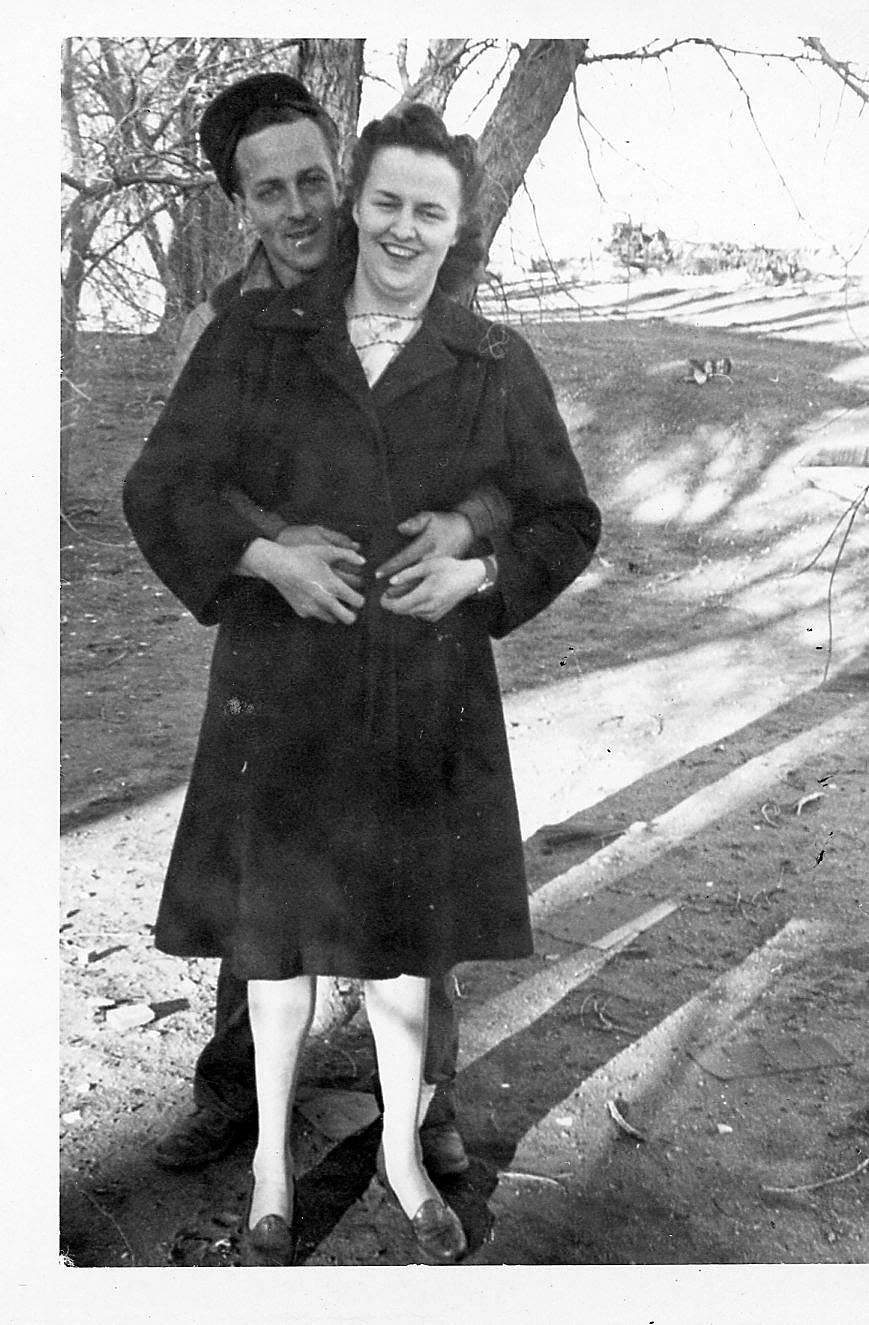
My first emotional connection with Vogel’s book concerns timing. My parents started farming when Dad returned from World War II. He and Mom got married upon his return like thousands of other returning veterans and their sweethearts. They farmed their entire life while raised five kids (I’m the middle child). After a lifetime on rented farms, they decided to retire. They held a farm sale in March of 1982 just as the farm crises intensified across the country. They got out just as things were going bad.

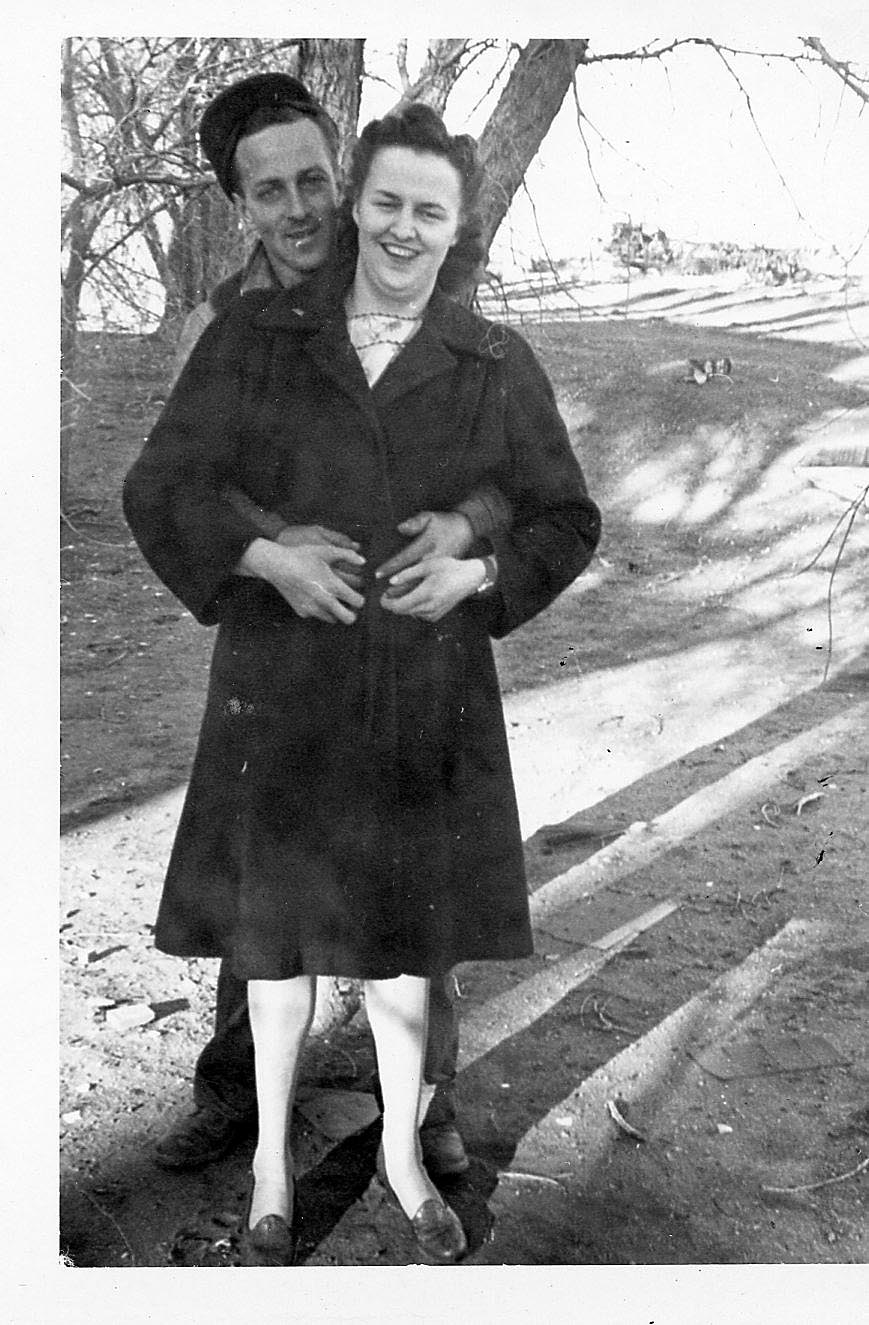
My parents as newlyweds

Inflation got out of control as the farm crisis deepened. Land prices started to fall as a result. This left thousands of farmers in the unenviable position of having borrowed more to buy land than the land was worth. Although my folks deeply regretted that they were never able to buy farmland, it is a blessing in disguise as they avoided the land value drops of the 1980s.

The second connection I gleaned from reading Sara Vogel’s book concerned my husband’s and my decision to buy an acreage in 1981. We moved from a house in a small town into our new old country house in May 1982 when our son was a one-year-old. Our daughter was born here two years later. We were impacted mightily when we sought a loan to buy the place by the high interest rates that were in effect from the deepening farm crises. We secured a loan to buy the acreage at fourteen percent interest.

Daughter and Son in 1988

Farm Aid

A third bit of serendipity happened when Willy Nelson and Neil Young held a Farm Aid Concert in Lincoln, Nebraska in 1989. We attended the all-day concert held in UNL’s Memorial Stadium. The stadium was full of people who turned out to support farmers. The music was great too.

Sara Vogel provides an accounting of how farmers benefited from the farm aid concerts. I remember only vague reports at the time stating that all proceeds after expenses went to farmers. Vogel’s account is the first I’ve read that tells how the money was used, often in grants for farmers’ travel to national regional and meetings and to support grassroots farm organizations.

Interest Rates

Sara Vogel’s book reminded me of our fourth connection to the farm crises that occurred in the early 1990s. We had an opportunity to buy the farmland around our acreage. Due to Congress passing laws to protect farmers, interest rates on farm loans started to come down. We were able to borrow at seven percent for this loan to buy land. Seven percent seemed like such an improvement over our first loan at the time. Seven percent loans would be considered outrageously high today, although inflation and interest rates are creeping up again in 2022.

Concerts and Farming

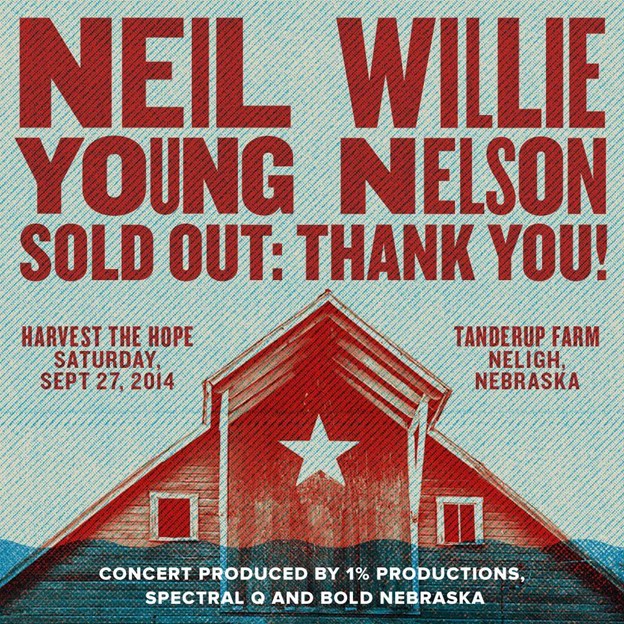
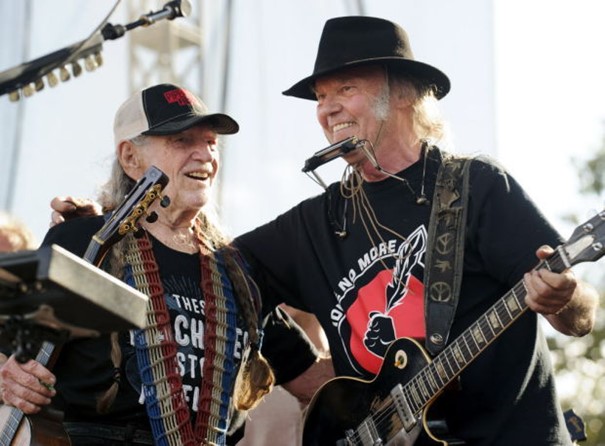
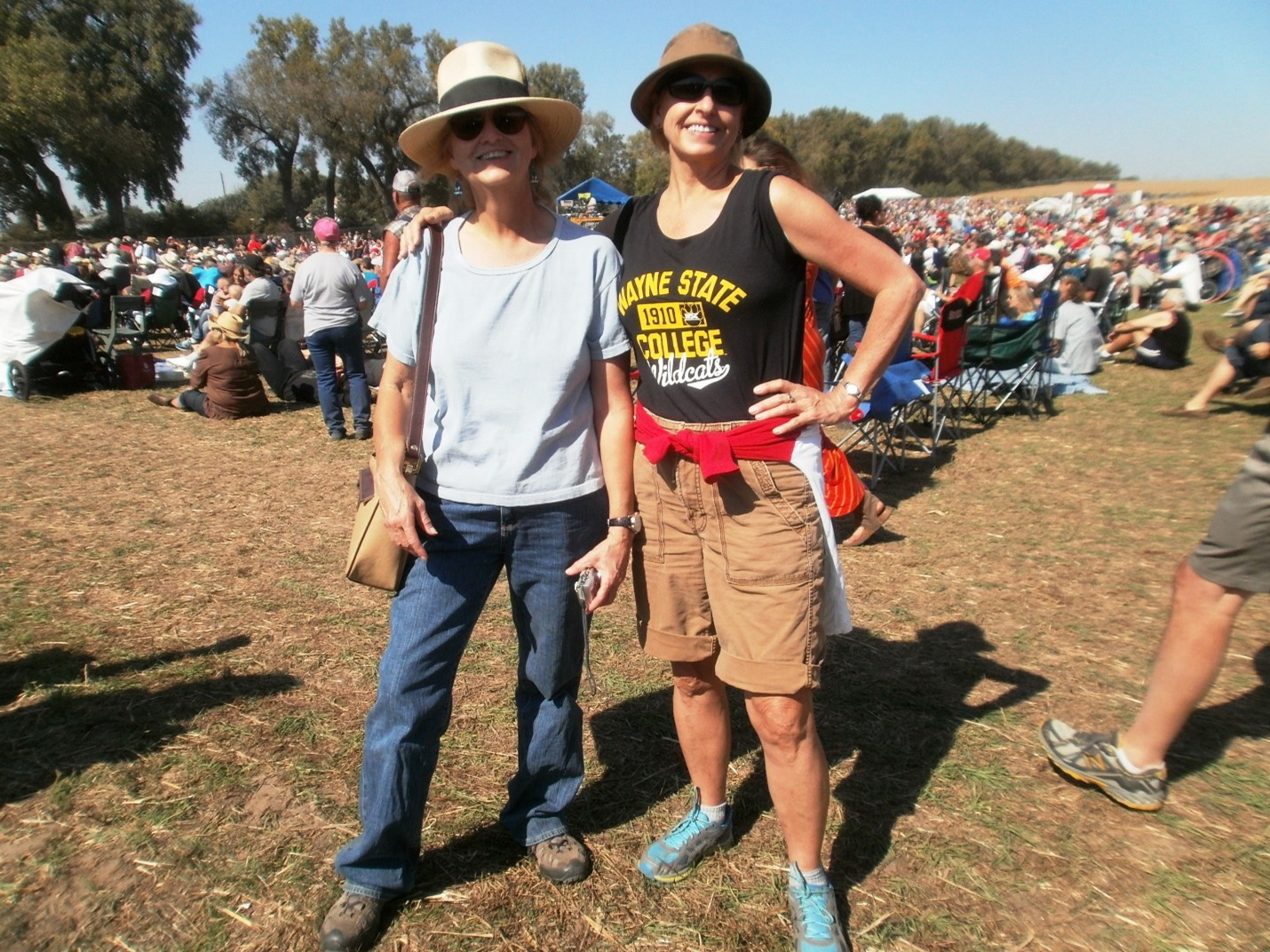
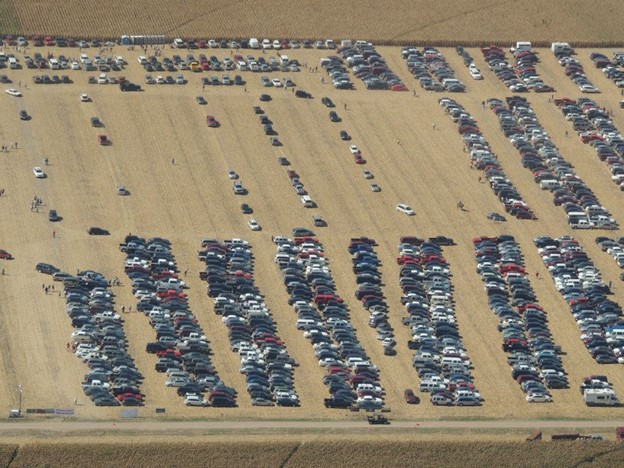
Although its outside the scope of books reviewed here, a modern version of a farm aid concert was held north of Neligh, Nebraska on the Art and Helen Tanderup farm to support Native American and white farm families opposed to the XL Pipeline. Neil Young spearheaded this Harvest the Hope concert held in Tanderup’s cornfield on a lovely September day in 2014. Rolling Stone Magazine reported that this concert is Willy Nelson and Neil Young’s first performance together since the 1989 Farm Aid Concert in Lincoln, NE.   I was fortunate to be able to attend this 2014 concert as well.

Poster from 2014 Concert
Willy Nelson & Neil Young 2014 photo by Lin Brummels

My friend Bonnie and I at Harvest the Hope Concert 2014 photo by Kim Smith
Cornfield parking for Harvest the Hope concert – photo by J. Kohles