
“Smoke from the wildfires burning right now in Canada has been affecting the skies, as you can see outside. And if you’ve been outside, you can sure taste it.”
Joe Manchin III, West Virginia Democrat

Smoke and haze drift south from Canadian wildfires that continue to burn out of control.
Air Quality Alert
Smoke from countless fires in Canada has been drifting across Nebraska for the past four days. The resulting haze is keeping temperatures lower, but the smoke makes it difficult to breathe comfortably. I am running the air conditioner in my part of Nebraska to filter the air and remove humidity, more than due to excessive heat like the south is experiencing. I ventured out late Saturday afternoon to mow the lawn and Sunday to socialize with friends. As a result, I have a scratchy throat and can taste the smoke well into each day.
Friday and Saturday were smokey. I woke Sunday morning to an even thicker haze. There was no sunrise, just a gradual brightening in the east letting me know it’s a new day. The air quality alert continues. Monday morning’s air still holds smoke but promises rain.
Thunderstorms are forecasted for the next two days. It is hopeful they will wash the smoke from the air. Meteorologists predict the smoke will move into an upper air pocket, clearing the ground level. Meanwhile, fire fighters continue to do battle with raging fires.
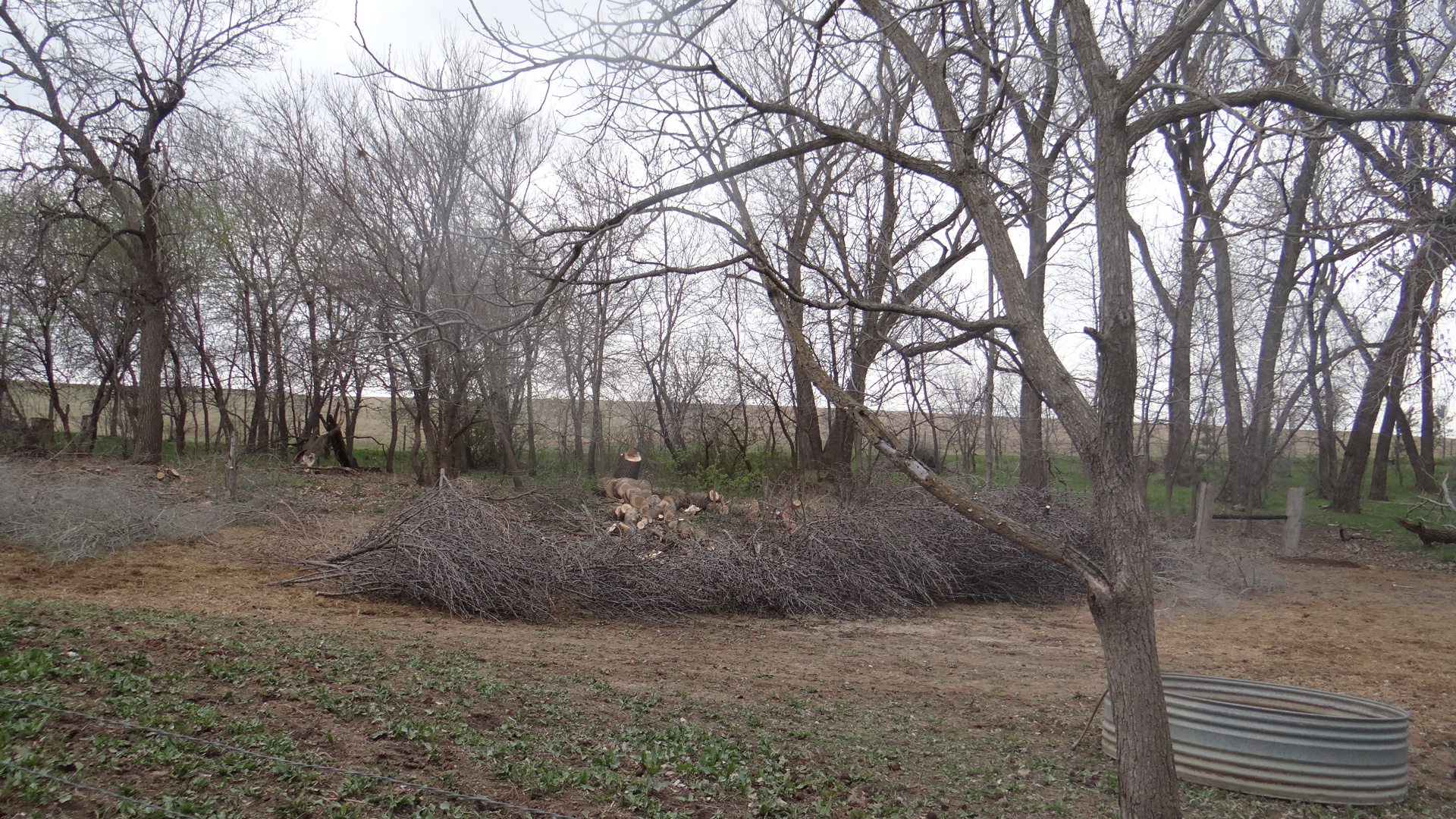
The hazy weather reminds me of an event that occurred the year before my son was born. It was the time when a volcano temporarily shut out light, – the Mt. St. Helens eruption in 1980.
A Look Back
“The 1980 eruption of Mt. St. Helens began with a series of small earthquakes in mid-March and peaked with a cataclysmic flank collapse, avalanche, and explosion on May 18 – was not the largest nor longest-lasting eruption in the mountain’s recent history. But as the first eruption in the continental United States during the era of modern scientific observation, it was uniquely significant.”
https://earthobservatory.nasa.gov/world-of-change/StHelens
The United States Georgic Survey (USGA) reported, “The eruption fed a towering plume of ash for more than nine hours, and winds carried the ash hundreds of miles away.”
https://www.usgs.gov/news/featured-story/mount-st-helens-1980-eruption-changed-future-volcanology
 LLZ Ranch